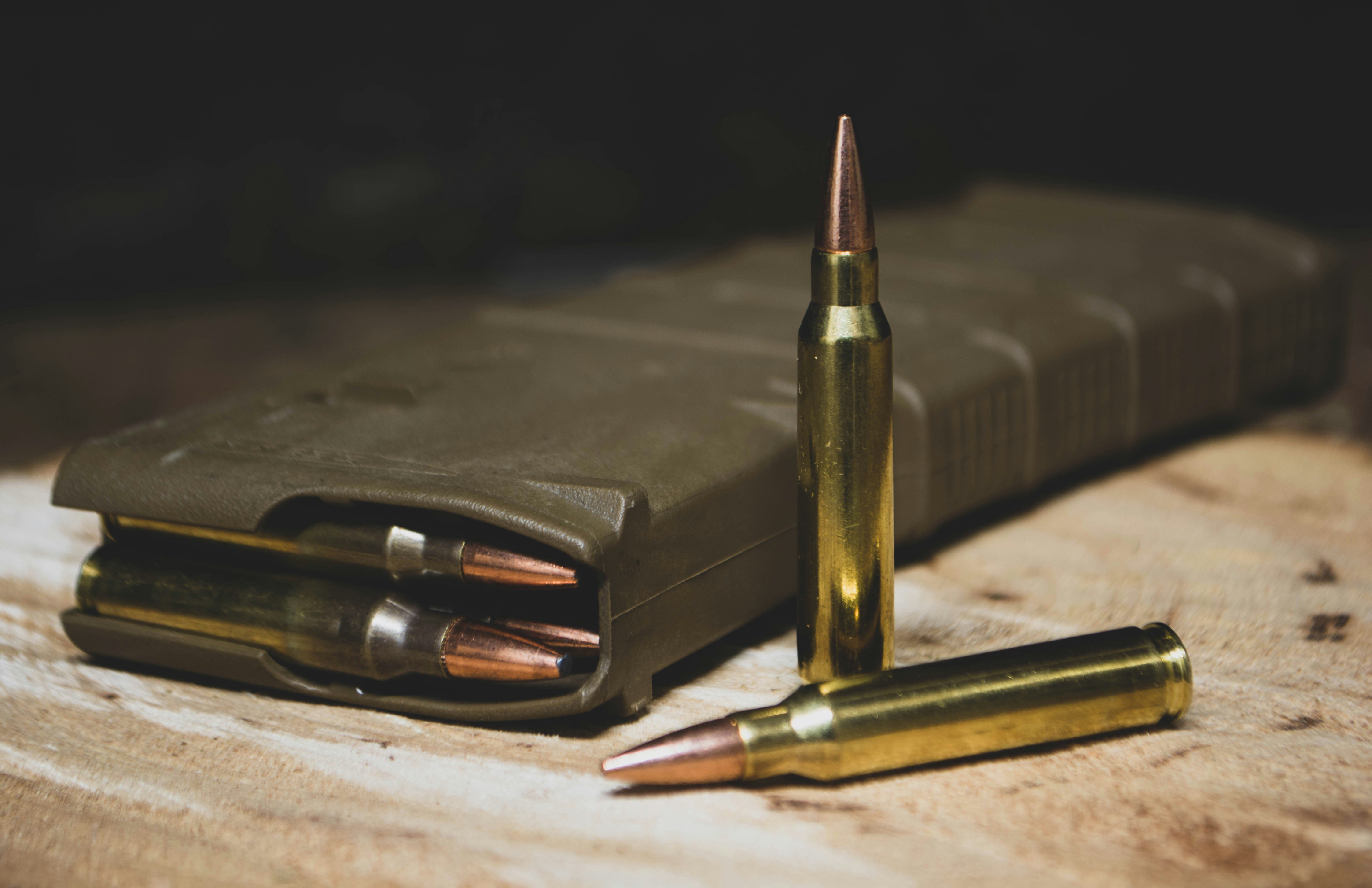

The United States is facing shortages in its strategic ammunition stockpiles after spending billions of dollars on munitions during its military campaign in Iran, according to a new report by the Defense Department’s inspector general.
The report, released on Monday in what was described as the first mandatory assessment of its kind submitted to Congress, estimated that Operation Epic Fury cost the US about $33.4bn between February 28 and June 30.
Of that amount, approximately $22.3bn was spent on munitions, exposing weaknesses in the country’s ability to replenish its weapons supplies.
“The munitions expenditure on OEF has resulted in strategic inventory shortfalls and revealed industrial base bottlenecks for munitions resupply,” the report states.
The inspector general’s assessment also detailed some of the American military equipment lost or damaged during the conflict.
According to the report, four F-15 fighter jets were destroyed, while one F-35 and seven KC-135 tanker aircraft were damaged. Up to 30 MQ-9 Reaper drones were also destroyed.
Concerns Over US Weapons Stockpiles
The findings come despite repeated assurances from President Donald Trump that the US has sufficient ammunition to sustain the conflict.
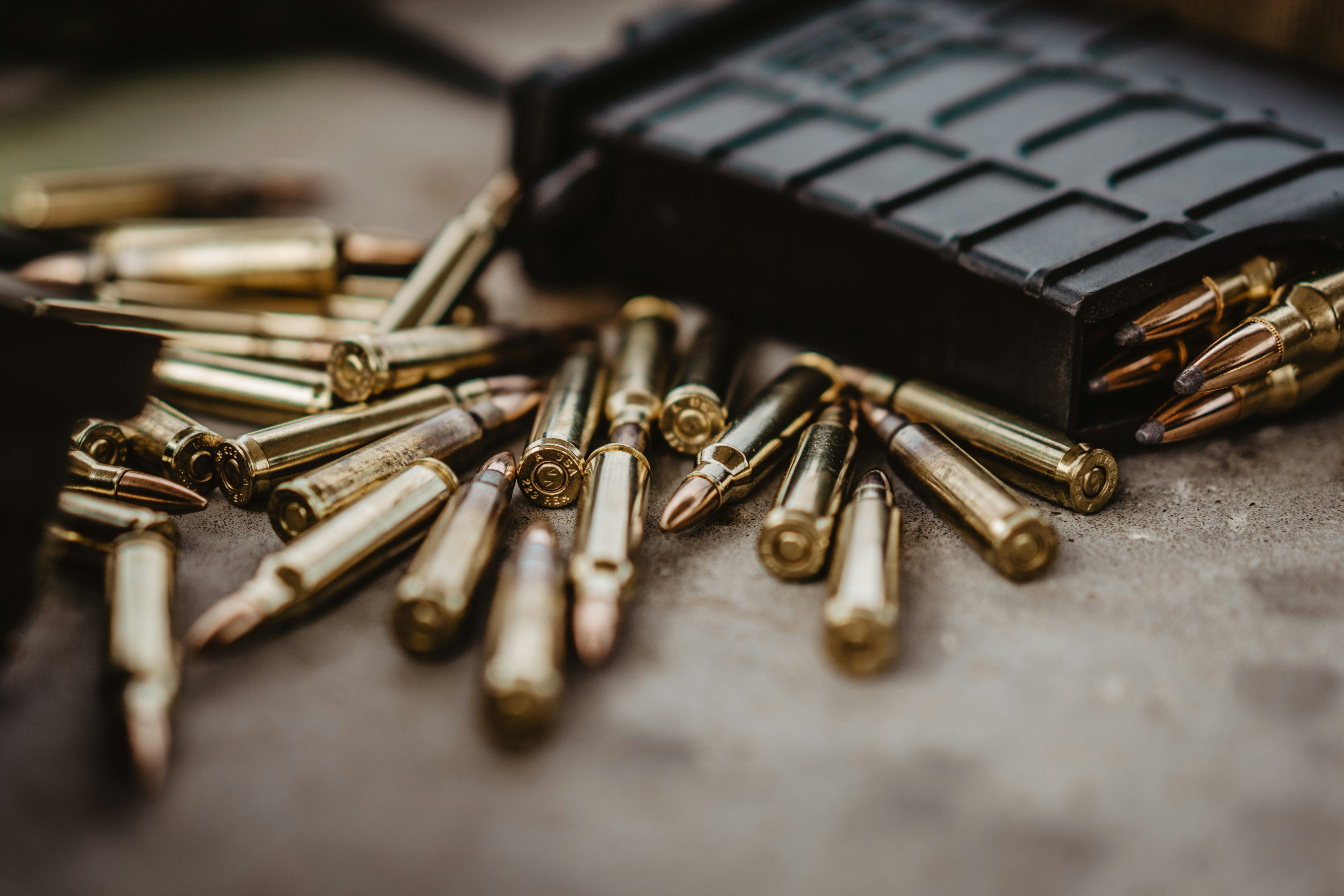
Trump recently dismissed concerns about dwindling weapons supplies, saying the country had more than enough ammunition for the Iran war and other potential conflicts.
He said the US had “virtually unlimited amounts of Mid to high-grade ammunition, far more than we could ever use for this, or for any other War (which is highly unlikely!), that could improbably take place. In addition, we are producing Munitions at levels never seen before. We are stockpiling and preparing for any contingency that could happen.”
However, Mark Cancian of the Center for Strategic and International Studies said the US could sustain the current conflict but might struggle to maintain ammunition supplies during a prolonged confrontation with China.
“For a war against Iran, the answer is yes. The problem is a war against China. We might be able to provide enough munitions for a month, but getting on to month two or month three or four, that’s a great challenge,” Cancian told CBS News.
Senior Pentagon officials had also rejected reports of ammunition shortages before the inspector general’s assessment was released.
At the same time, Defense Secretary Pete Hegseth has been pushing defence companies to increase weapons production as the military seeks to replenish its stockpiles.
Lockheed Martin’s missile division chief, Tim Cahill, described the effort to expand production as “controlled chaos.”
CBS News was recently given access to Lockheed Martin’s production facility in Arkansas, where workers are manufacturing the latest version of the Patriot air defence missile.
The Patriot system is designed to intercept incoming ballistic missiles. Each missile costs about $4m, while Lockheed Martin is currently producing around 750 annually.
Additional Costs From Iran Conflict
The financial impact of the Iran conflict extends beyond military operations.
The inspector general’s report said the US State Department spent $79.2m dealing with contingencies linked to the conflict. The expenses included evacuating State Department personnel and their families, US citizens and eligible nationals from third countries.
Repairing physical damage caused by Iranian attacks on US diplomatic facilities in Iraq, Kuwait, Saudi Arabia and the United Arab Emirates was estimated at approximately $184m.
The report also said Iranian strikes damaged or destroyed hundreds of buildings and other structures at US military bases across Kuwait, Bahrain, Qatar, the UAE, Saudi Arabia, Iraq, Oman and Jordan.
However, the assessment did not provide an estimate for repairing the military facilities. It also noted that it remained unclear whether all the affected bases would be repaired and who would ultimately bear the cost.
The latest estimate is significantly higher than an earlier Pentagon assessment.
In April, a Pentagon official told Congress that Operation Epic Fury had cost about $25bn. US officials familiar with internal assessments later told CBS News that the actual cost of the conflict at that time was closer to $50bn.