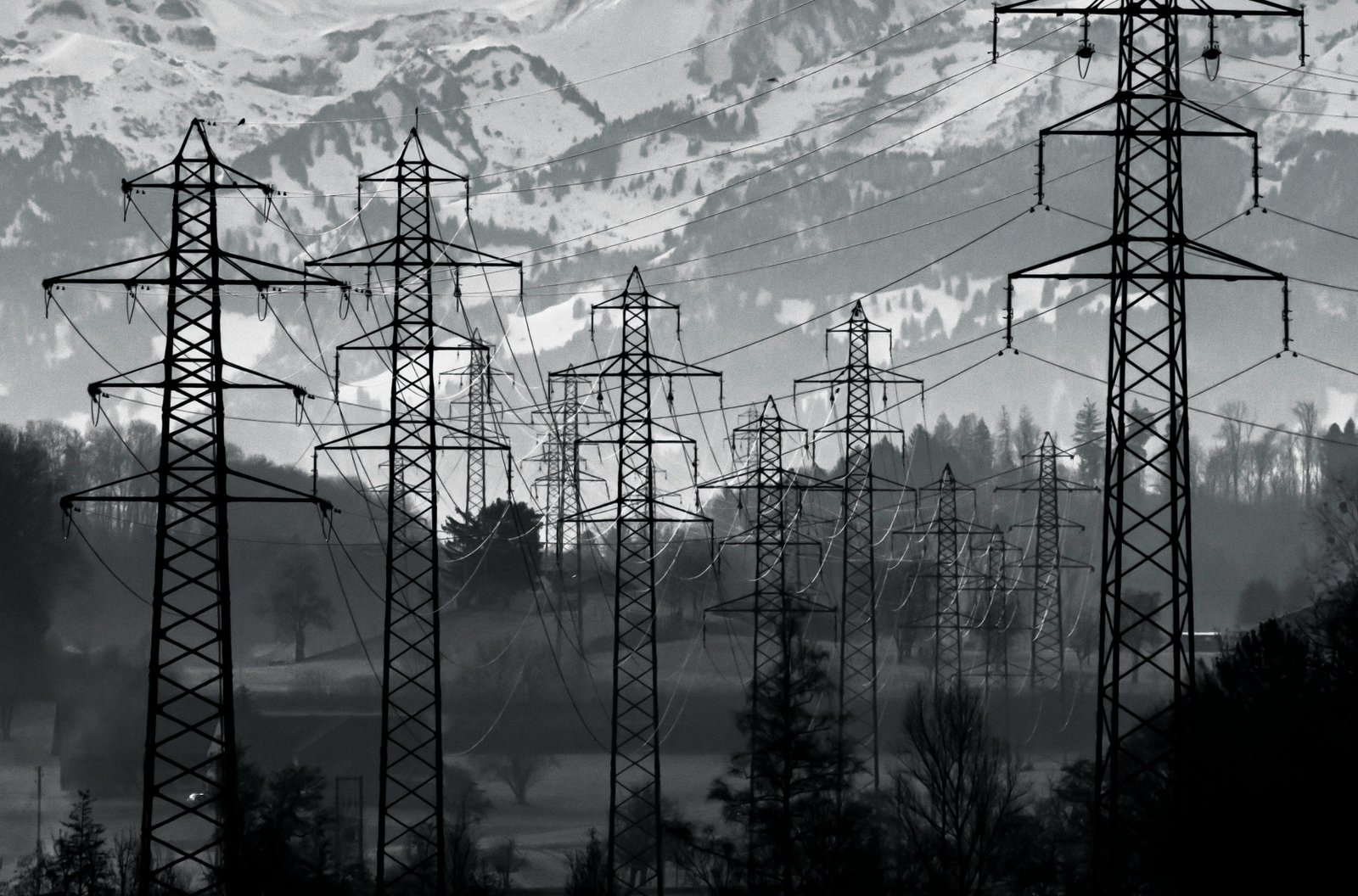

PJM Interconnection, the grid operator serving 67 million people across 13 states and Washington, D.C., has asked federal regulators to approve rules that would cut power to new data centers ahead of households during supply shortages.
The filing with the Federal Energy Regulatory Commission follows two consecutive capacity auctions that failed to secure enough generation. PJM’s board projects roughly 70 GW of new large load by 2038 against roughly 15 GW of generation retired since 2022.
Existing facilities are not affected. The proposed rules apply only to new loads of 50 MW or more at a single site that connect without bringing their own generation, or otherwise securing supply, by June 1, 2027.
How It Would Work
Under the proposed Interim Resource Adequacy Service, new large data centers would be curtailed before PJM deploys Pre-Emergency Load Management, which are the demand-response programs that pay other customers to cut consumption during grid stress.
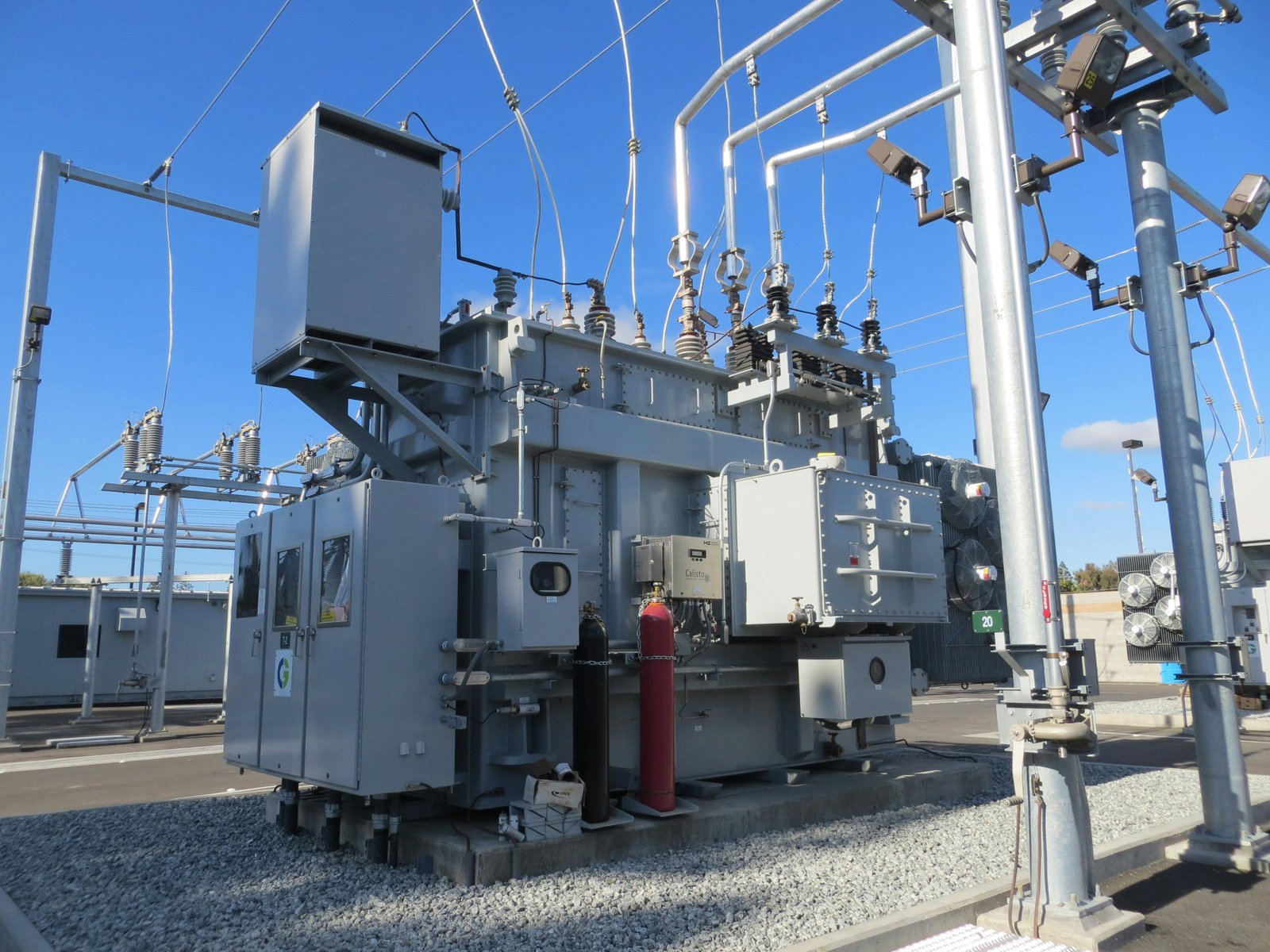
Attached to the scheme is a new Large Load Registry, which tracks the location and megawatt draw of every 50 MW-plus site in PJM’s territory and whether it brings its own supply.
Affected customers would be compensated at a FERC-approved hourly rate set at 50% of the penalty rate PJM pays existing demand-response resources during full grid emergencies.
The Implementation Challenge
PJM cannot actually flip the switch itself. The operator told Reuters that it lacks the authority to curtail individual sites and would need to rely on utilities and state governments to carry out the reductions. The registry data will be shared with states to set load-shedding priorities.
Virginia, home to the world’s largest data center cluster, has already ordered operators to pay for their own dedicated grid infrastructure.
The Capacity Crunch
In July, PJM’s capacity auction for the 2028/29 delivery year hit its $325 per megawatt-day price cap and still came up some 6,800 MW short of the operator’s reliability requirement. Its independent market monitor has attributed a 75.5% jump in regional power costs directly to data center demand.
A separate one-time backstop procurement aims to backfill the shortfall. From the 2029/2030 auction onward, PJM plans to exclude new large loads that do not bring their own supply from the demand it procures at all.
The Bottom Line
PJM Interconnection, the largest US grid operator, has proposed cutting power to new large data centers before households during supply shortages. The rule would apply to facilities over 50 MW that connect without their own generation by June 1, 2027. The proposal follows capacity auctions that failed to secure enough generation, with data center demand driving a 75.5% increase in regional power costs. The grid operator lacks direct authority to curtail sites and would rely on states and utilities to enforce reductions.