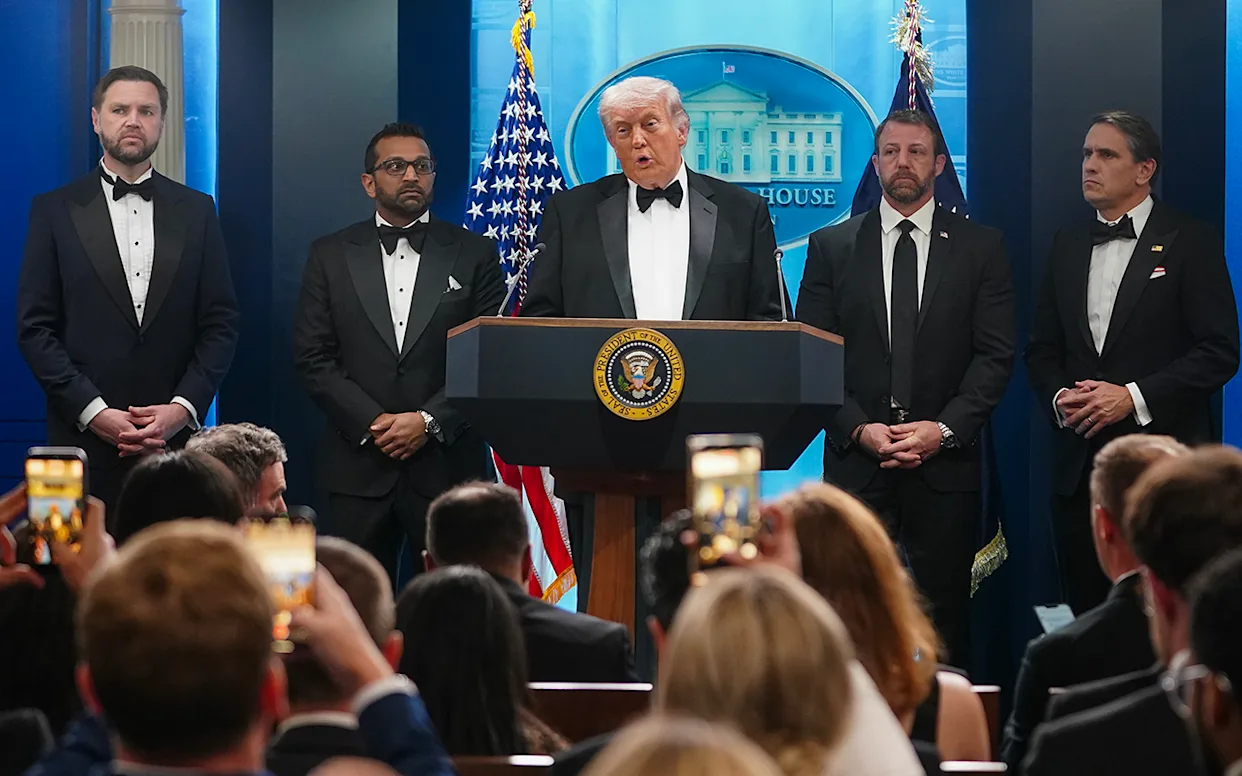

For years, President Donald Trump, Secretary of State Marco Rubio, and Vice President JD Vance argued against deals that provided financial concessions to Iran, saying that giving the regime money fuels terror. But now the agreement they have reached to end the war with Tehran is poised to hand the regime billions.
The signed memorandum of understanding embraces the same type of incentivized financial relief that Trump, Rubio, and Vance spent years warning would enrich a nation they described as the world’s leading state sponsor of terrorism.
Under the terms of the 14-point MOU, the US “undertakes to make fully available for use the frozen or restricted funds and assets of the Islamic Republic of Iran,” “to terminate all types of sanctions against the Islamic Republic of Iran,” and to immediately issue waivers for the sale of Iranian oil.
The Reversal
Trump has long criticized the Joint Comprehensive Plan of Action, from which he withdrew the US in 2018, in large part because it gave Tehran sanctions relief and access to frozen assets. In a 2015 op-ed, he castigated the deal for handing Iran “a windfall of $150 billion, which will no doubt fund terrorism around the world.”
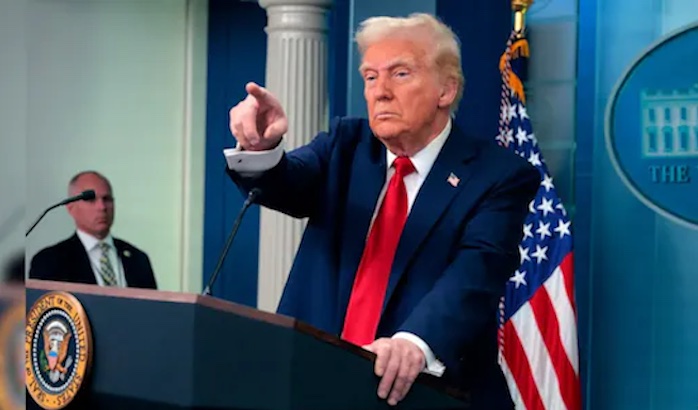
As recently as 2016, Trump argued that Obama had made a basic mistake by relieving pressure on Tehran before obtaining stronger concessions. “We took the sanctions off, we got nothing for that,” Trump said. “It’s like 101, Trump, ‘The Art of the Deal.'”
During a 2016 presidential debate, Trump called the Iran deal “a one-sided transaction” in which the US was “giving back $150 billion to a terrorist state — really the No. 1 terrorist state.”
Now, his administration is backing a deal that outlines US commitments to potentially release those funds and lift sanctions, leaving specific details on Iran’s nuclear program to future negotiations.
Administration’s Defense
Administration officials have downplayed the significance of the written document and said the movement of any money will be performance-based. They also have said the atmosphere of this deal is different from previous ones because the US has degraded Iran’s military.
“We have great confidence that we’re going to be able to see if they try to fund terrorist organizations,” Vance said Thursday.
A senior administration official said “it would be moronic to compare terms” of the MOU to previous legislation because of the military action against Iran and the conditions on the release of the money.
Republican Backlash
Despite the administration’s defense, a number of Republican senators, including those who typically stay quiet, have openly questioned the terms of Trump’s Iran negotiations.
Roger Wicker, chairman of the Senate Armed Services Committee, said he was “concerned that the memorandum of understanding negotiates away the victories” of the war and that the plan for a $300 billion reconstruction fund would make the financial incentives in the JCPOA “look like a pittance by comparison.” The administration said the US would not contribute to that fund.
The Bottom Line
President Trump’s new agreement with Iran embraces sanctions relief and the release of frozen assets — policies he and his top officials once denounced as funding terrorism. The 14-point memorandum of understanding commits the US to lifting sanctions and issuing waivers for Iranian oil sales. The administration argues the deal is stronger than the JCPOA because of military pressure on Iran, but Republican senators have expressed concern that the agreement gives away too much.