
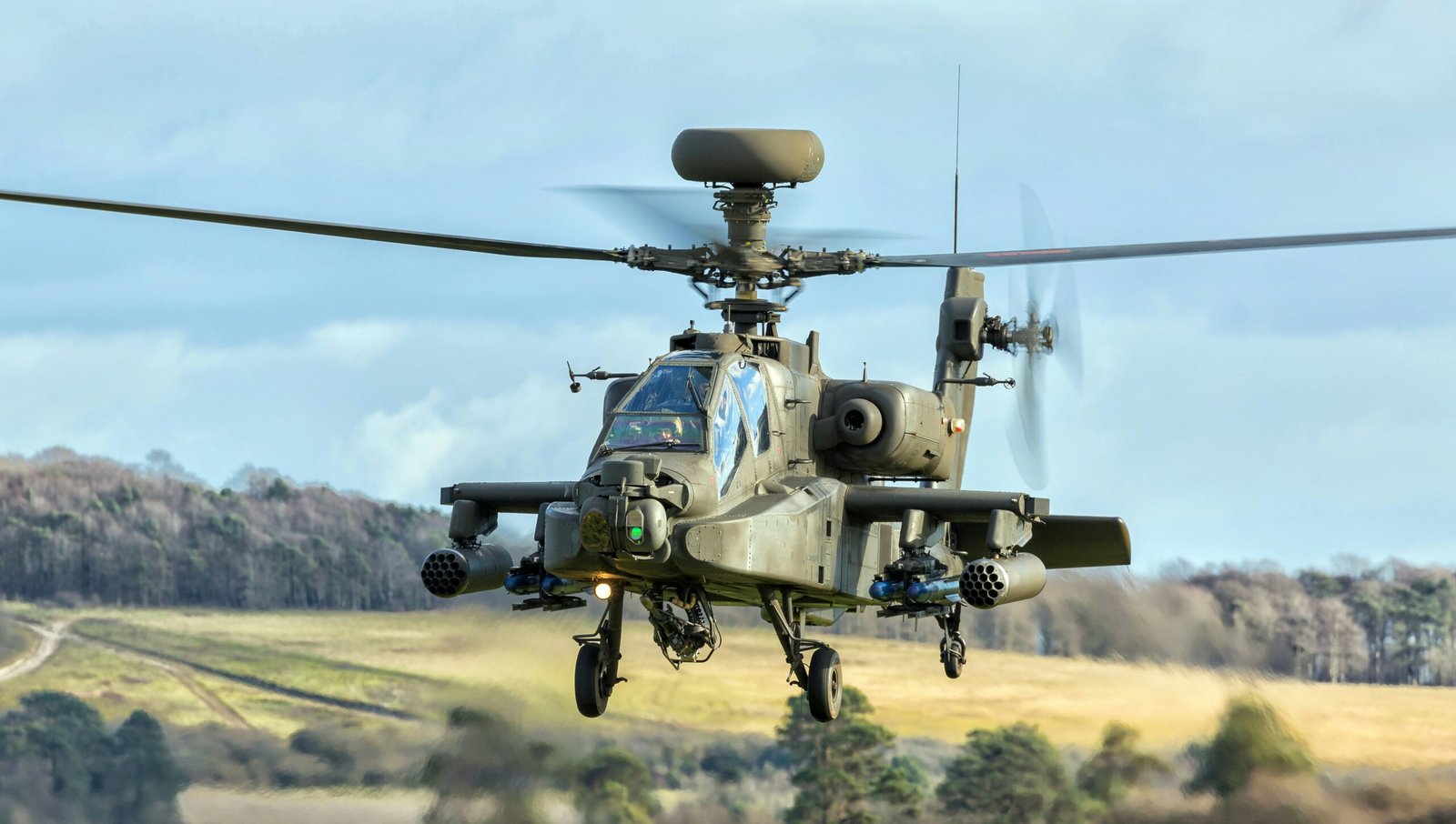
The United States says it has launched a series of strikes targeting Iranian military and surveillance infrastructure following the downing of an American Apache helicopter in the Gulf region.
According to the US military Central Command (Centcom), the operation hit air defence systems, radar installations, and ground control facilities near the Strait of Hormuz, a vital global shipping route.
Describing the action, US officials called it “a proportional response” to Monday’s incident involving the helicopter. Two crew members survived the crash and were later rescued by an American sea drone.
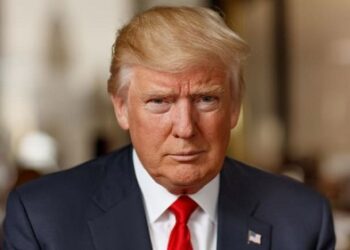
US President Donald Trump earlier blamed Iran for the incident, insisting the United States “must, of necessity” respond. Officials said the aircraft had been conducting patrol operations over the Strait of Hormuz, though it remains unclear whether the helicopter was directly targeted.
Iran, however, has not claimed responsibility for the downed aircraft. A semi-official Iranian outlet, Mehr News Agency, also reported that Tehran did not acknowledge involvement in the incident.
In retaliation, Iran’s Islamic Revolutionary Guard Corps (IRGC) said it had struck 21 targets linked to US bases in the region, including sites in Bahrain and Jordan. Kuwait’s military also reported intercepting incoming attacks.
The IRGC described the US strikes as “vicious,” while confirming damage to infrastructure including a telecommunications tower, water facilities, and locations in Jask, Sirik, and Qeshm Island.
Authorities in Bahrain confirmed an air raid alert, saying Iranian attacks were successfully repelled. US officials have not yet verified the extent of damage to their regional bases.
Iran’s Foreign Minister Abbas Araghchi warned Washington that Tehran would not remain passive.
“Despite its defeats on the battlefield, the US opted to test our determination,” he wrote on X, adding: “Leave our region if you want to be safe.”
He further cautioned: “Leave our region if you want to be safe,” stressing that foreign forces operating near Iran were exposed to risks due to “human errors, plain accidents or potentially being caught in crossfire.”
“Leave our region,” he added, insisting withdrawal was the only way to reduce danger.
US House Speaker Mike Johnson confirmed he was present when President Trump approved renewed strikes.
“We lament that it became necessary,” he said, adding that “we’re going to have to take care of this business.”
In a separate statement, Iranian negotiator Mohammad Baqer Qalibaf warned the US against escalating tensions, writing: “We prefer the language of diplomacy, but we speak other languages far more fluently. Break your commitments, and we’ll switch to what we speak best.”
“You ride the horse you saddled!” he added.
The renewed confrontation follows earlier Israeli strikes in southern Lebanon, which Tehran warned would trigger retaliation. Israel and Iran had briefly paused hostilities after exchanging fire over the weekend, following a truce in April.
US President Donald Trump has urged both sides to halt hostilities, saying they were undermining diplomatic progress.
Speaking on Truth Social, he said Israel and Iran were moving toward “an immediate ceasefire,” though he warned that peace could be derailed by “ignorance or stupidity getting in its way.”
He also told reporters that negotiations were nearing completion, stating: “We’re in the final throes of what will be a very, very good deal,” adding that it could be concluded within “two or three days,” after which the Strait of Hormuz would reopen.