The United States has carried out an eighth straight night of military strikes against Iran, saying the operations were launched in retaliation for an attack that killed two American service members in Jordan and left another missing.
Amid the escalating conflict, Washington also issued a worldwide security warning, cautioning US citizens that they could become targets of Iran or groups aligned with Tehran.
According to the US Central Command (CENTCOM), the latest round of airstrikes began at about 6 p.m. ET on Saturday following orders from President Donald Trump.
“The strikes are designed to further degrade Iran’s ability to threaten commercial shipping in the Strait of Hormuz and swiftly punish Islamic Revolutionary Guard Corps forces who launched attacks against American service members in Jordan last night,” CENTCOM said.
The military added that the operation targeted several Iranian military assets
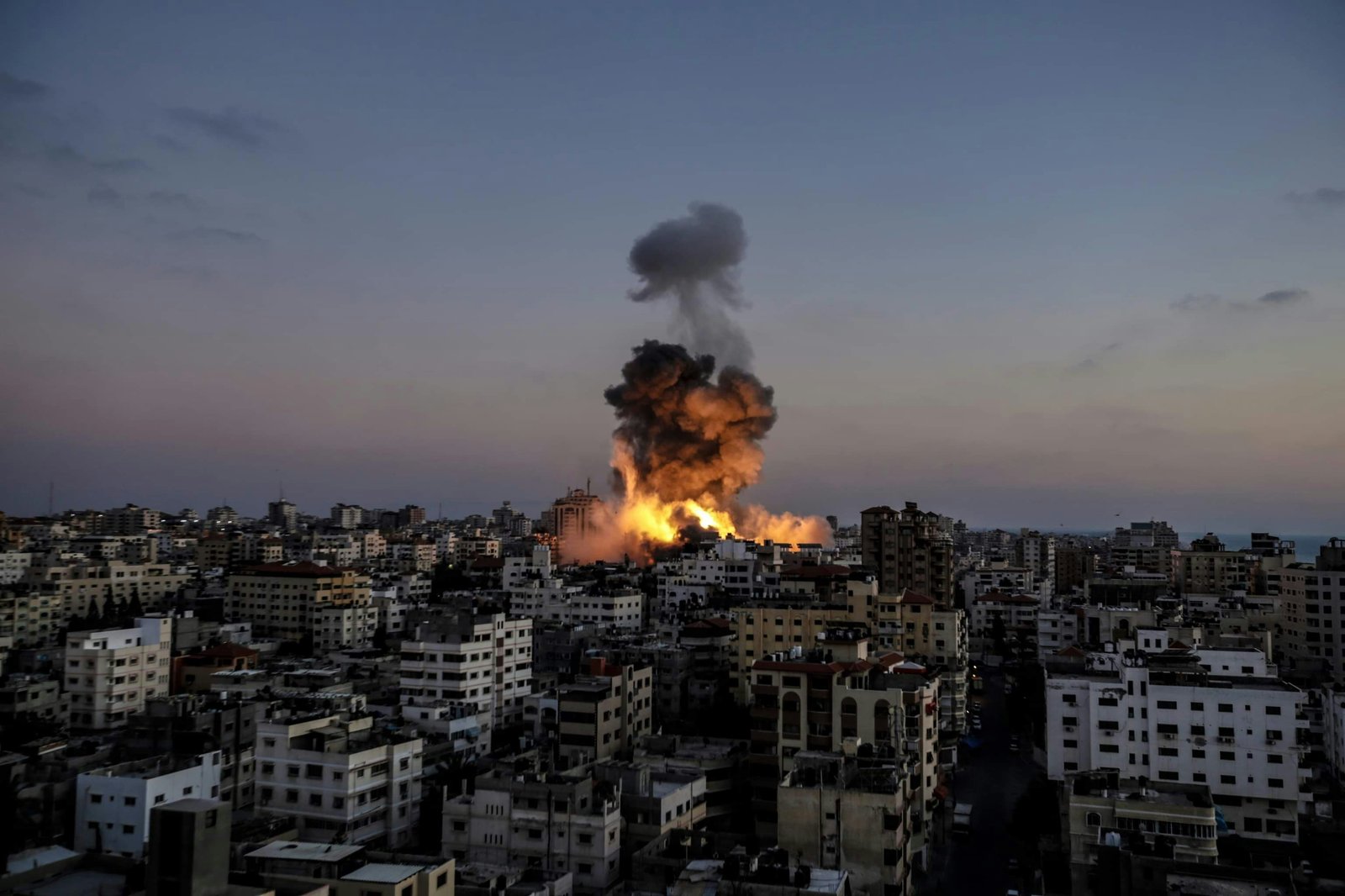
“Airstrikes successfully hit Iranian military coastal surveillance and air defense facilities, maritime capabilities, and missile and drone storage sites to continue degrading Iranian military capabilities,” the statement added.
Iranian media reported that US strikes hit areas near Sirik in southern Iran, as well as locations around Hajiabad and Qeshm Island. Authorities said there were no reported casualties or significant infrastructure damage, although explosions were heard in Bandar Abbas.
In response, Iran said it launched drone attacks against US military positions in Kuwait, targeting Al-Adiri Camp and Ali Al Salem Air Base. Iranian state television reported that the operation formed part of Tehran’s ongoing retaliation against American military assets and allies in the Gulf.
Elsewhere, a drone struck a base belonging to the Kurdistan Freedom Party, an Iranian Kurdish opposition group near Erbil in northern Iraq, injuring eight members, according to a military official from the group. Residents in Erbil also reported hearing explosions as air defence systems were activated.
No group claimed responsibility for the strike, though Iran and Iran-backed militias have previously carried out attacks in Iraq’s Kurdish region, where both US forces and Iranian Kurdish dissident groups operate.
While Iran has launched retaliatory attacks across much of the Gulf region, the United Arab Emirates has so far avoided direct strikes.
However, Iran’s semi-official Fars News Agency, quoting an unnamed official, warned that continued attacks on Iranian civilian infrastructure could force Tehran to escalate.
“The airports of Dubai and Abu Dhabi, as well as the ports of Fujairah and Jebel Ali, must be immediately evacuated,” the official was quoted as saying.
The UAE’s Ministry of Foreign Affairs responded by urging restraint to prevent a wider regional conflict.
“The UAE emphasized that the targeting of civilian infrastructure and civilian facilities in the region… constitutes a flagrant and grave violation of the established principles and provisions of international law, and cannot, under any circumstances, be accepted or justified,” the ministry said.
Meanwhile, the US State Department issued a Worldwide Caution for American citizens, citing rising tensions across the Middle East.
The advisory urged US nationals worldwide, “especially in the Middle East,” to “follow the guidance in security alerts issued by the nearest US embassy or consulate.”
It also warned that “groups supportive of Iran may target other US interests overseas or locations associated with the United States” and cautioned that flight disruptions and airspace closures could affect international travel.
The latest escalation follows a joint US-Israeli military campaign launched on February 28, which both countries said was aimed at weakening Iran’s military capabilities, limiting threats from its nuclear and ballistic missile programmes, and creating conditions for political change within the Islamic Republic.