
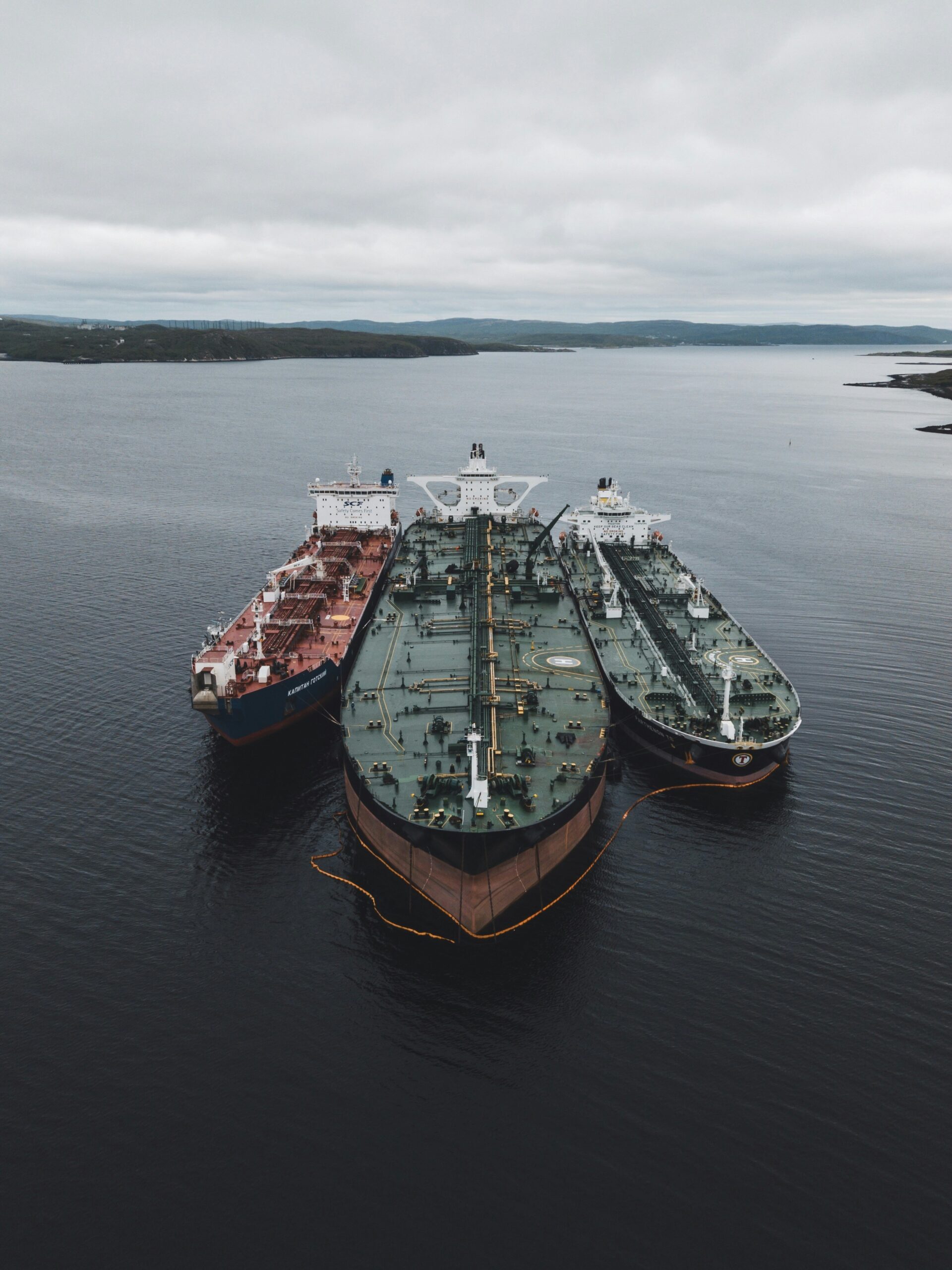
From the first signs of tension on the open sea, this latest move by Washington shows how far the US is willing to go as it moves to seize a Russian-linked oil tanker during a growing Atlantic confrontation, and it raises a bigger issue: can the new leadership in Caracas do anything meaningful in this storm?
A Fight Far From Land
This is not happening near America’s shores. It is happening deep in international waters, where control is less clear, and mistakes are costly. When a country starts chasing ships across oceans, it is no longer just about oil. It becomes about who makes the rules and who enforces them.
The tanker itself is not the real issue. The real issue is what it represents: defiance of sanctions and a challenge to US authority.
Why this Ship Matters
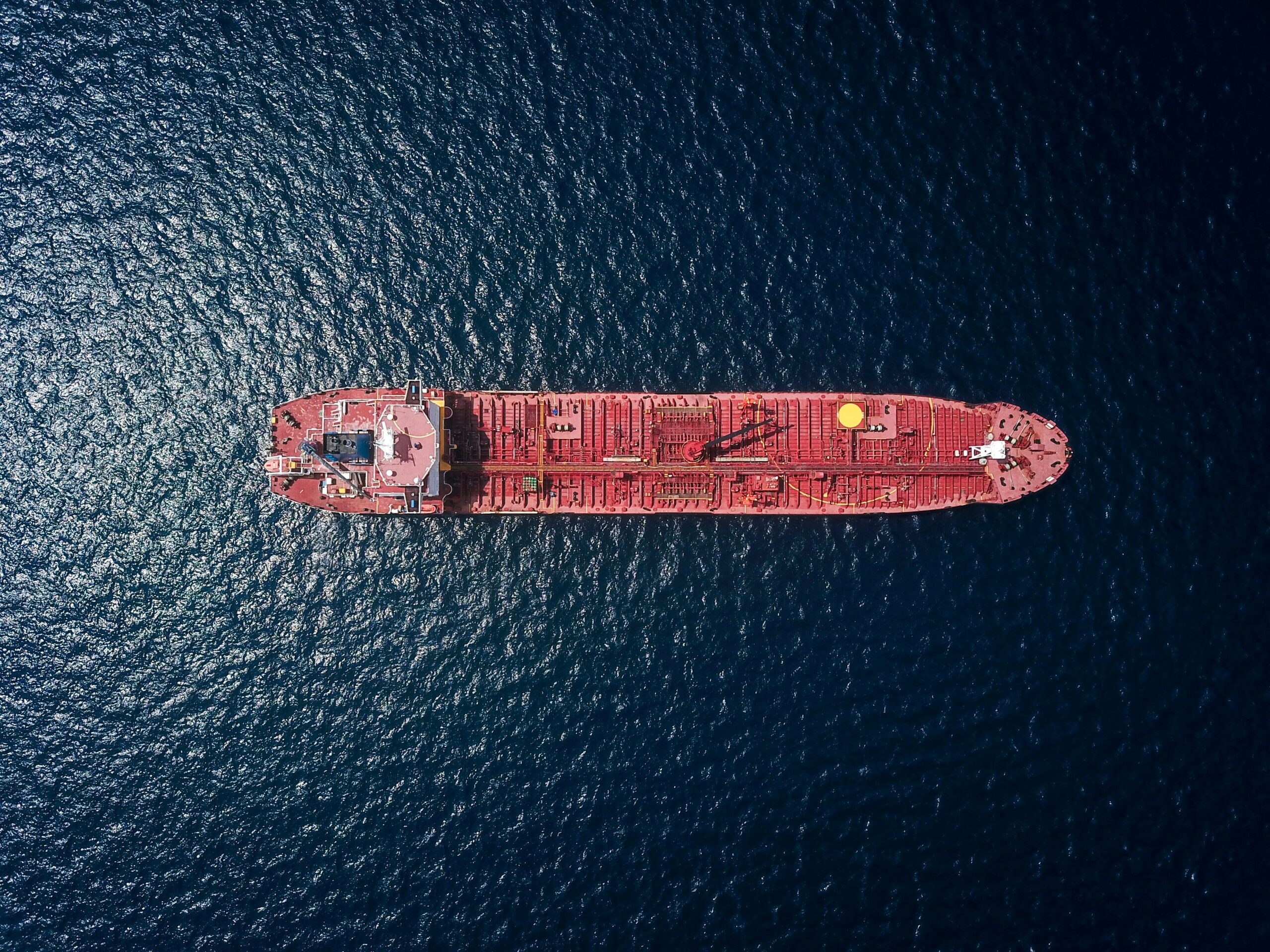
The vessel is being described as part of a shadow system that keeps oil flowing even when bans are in place. For the US, stopping such ships is a way to show that sanctions still have teeth.
For Russia, allowing one of its flagged vessels to be taken would look like weakness. That is why escorts and warnings quickly entered the picture. This is how small actions turn into big standoffs.
Venezuela Still At the Center
Even though the tanker was empty, Venezuela sits quietly behind this drama. Its oil remains the prize everyone is circling. The US wants control. Russia wants influence. Others are watching to see who blinks first.
This situation exposes how fragile Venezuela’s position is right now. Its resources attract attention, but its voice is barely heard.
Power Versus Law
There is a thin line between enforcing rules and forcing outcomes. When military assets follow civilian ships, that line becomes blurry. Supporters will say this is about law and order. Some other will say it looks like muscle-flexing.
When big powers clash this way, smaller players usually pay the price.
The New Face in Caracas
With a new interim leader in place, many are asking hard questions. She inherited chaos, pressure, and outside control almost overnight. Decisions made far away now shape her reality more than local needs.
Promises of cooperation sound good, but cooperation under pressure often leaves little room to act freely.
What This Could Lead To
If the tanker is taken, it sets a strong example. If it escapes, it weakens the message. Either way, tensions rise. More ships will be watched. More escorts will appear. The sea becomes crowded with suspicion.
And once that happens, accidents become more likely than dialogue.
As the US tightens its grip and rivals push back, the real test may be whether Venezuela’s interim president can do anything at all to protect her country’s interests, or if she is simply watching events unfold with no real power to change them.