• Home
  • News
  • Entertainment
  • Tech
  • Fashion & Lifestyle
  • Food & Nutrition
  • Health
Federal Character
No Result
View All Result
Federal Character
  • Home
  • News
  • Entertainment
  • Tech
  • Fashion & Lifestyle
  • Food & Nutrition
  • Health
No Result
View All Result
Federal Character
No Result
View All Result
US places 25% Tariffs on Nigeria

US places 25% Tariffs on Nigeria

Eriki Joan UgunushebyEriki Joan Ugunushe
3 months ago
in Government
Reading Time: 3 mins read
A A
0
Facebook ShareWhatsapp ShareX Share

The United States has taken a hard step that could shake Nigeria’s economy at a very delicate time. By placing a fresh 25% tariff on Nigerian goods, Washington is sending a clear message: countries that keep trading with Iran will pay a heavy price. For Nigeria, this is not just about trade numbers. It is about jobs, currency pressure, foreign trust, and even temporary restrictions that could deepen existing problems.


Table of Contents

Toggle
  • Why Nigeria is caught in the middle
  • What the 25% tariff really means
  • The danger to jobs and local businesses
  • Pressure on the naira
  • The temporary ban and wider restrictions
  • AGOA access now under threat
  • A difficult choice for Nigeria
  • Bottom Line

Why Nigeria is caught in the middle

Nigeria did not wake up planning a fight with the United States. Over the years, Nigeria has slowly expanded trade with Iran, mostly in agricultural goods and basic commodities. These deals are small compared to Nigeria’s global trade, but they matter to farmers, traders, and small exporters.
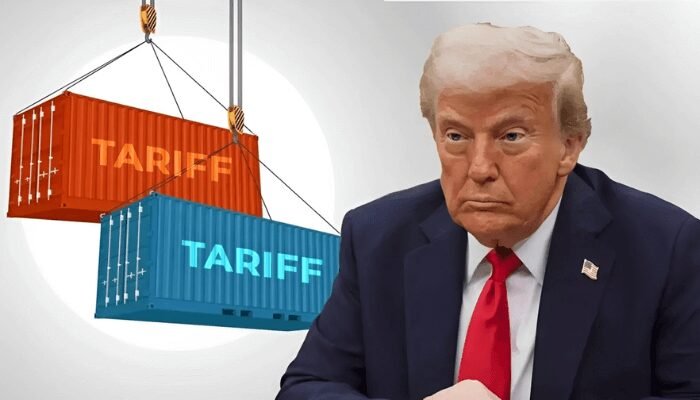
US places 25% Tariffs on Nigeria

The U.S. sees things differently. President Donald Trump has made it clear that Iran is off-limits. Any country doing business with Tehran, no matter how small, is now seen as acting against U.S. interests. Nigeria, by simply keeping economic ties open, has found itself on the wrong side of Washington’s policy.

What the 25% tariff really means

A 25% tariff is not a warning. It is punishment. Nigerian goods entering the U.S. market will now be far more expensive. This makes them less attractive to American buyers, who can easily switch to cheaper alternatives from other countries.

For Nigerian exporters, this means fewer orders, lower profits, and in many cases, total loss of contracts. Small exporters will feel it first, but large industries will not be spared either. Once buyers leave, they are hard to bring back.

The danger to jobs and local businesses

When exports fall, factories slow down. When factories slow down, workers lose jobs. This is the simple chain reaction Nigeria now faces.

Agricultural exporters, manufacturers, and logistics businesses all depend on access to foreign markets. The U.S. is one of Nigeria’s most important trade partners. Losing competitiveness there could lead to layoffs, reduced wages, and business closures, especially at a time when inflation is already high.

Pressure on the naira

Nigeria’s currency is already under stress. Export earnings bring in dollars, and dollars help stabilize the naira. With tariffs reducing exports, dollar inflow will likely drop.

Less foreign currency means more pressure on the naira, higher import costs, and more inflation at home. Everyday goods could become more expensive, hitting ordinary Nigerians harder than anyone else.

The temporary ban and wider restrictions

Beyond tariffs, there is also fear of temporary trade bans or tighter reviews of Nigeria’s access to U.S. markets. Washington has hinted that countries seen as ignoring its Iran policy could face stricter measures.

This creates uncertainty. Investors do not like uncertainty. Even the idea of a temporary ban can scare away foreign investors, delay projects, and slow down economic growth. Nigeria cannot afford that right now.

AGOA access now under threat

One of the biggest risks is Nigeria’s access to AGOA, the U.S. trade programme that allows African countries to export certain goods duty-free. AGOA eligibility is reviewed every year.

With this new tariff move, Nigeria’s position under AGOA looks shaky. Losing or limiting AGOA access would be a major blow, wiping out years of trade advantage and putting Nigeria behind other African competitors.

A difficult choice for Nigeria

Nigeria is now facing a hard decision. Continue trading with Iran and accept U.S. punishment, or pull back and protect access to the American market.

Neither option is easy. Cutting ties with Iran affects local traders and future partnerships. Ignoring the U.S. risks deeper economic pain. This is not just a foreign policy issue anymore. It is a survival question for Nigeria’s economy.

Bottom Line

If Nigeria does not respond carefully, this tariff could lead to job losses, weaker currency, reduced investor confidence, and long-term damage to trade relations. The coming months will show whether Nigeria can balance its foreign ties without paying too high a price at home

Tags: federal characterForeign NewsgovernmentNewsNigeriaTariffsUS
Share234SendTweet146
Eriki Joan Ugunushe

Eriki Joan Ugunushe

Eriki Joan Ugunushe is a dedicated news writer and an aspiring entertainment and media lawyer. Graduated from the University of Ibadan, she combines her legal acumen with a passion for writing to craft compelling news stories.Eriki's commitment to effective communication shines through her participation in the Jobberman soft skills training, where she honed her abilities to overcome communication barriers, embrace the email culture, and provide and receive constructive feedback. She has also nurtured her creativity skills, understanding how creativity fosters critical thinking—a valuable asset in both writing and law.

Related Stories

House Votes to Protect 350,000 Haitians Against Trump’s Direct Orders

House Votes to Protect 350,000 Haitians Against Trump’s Direct Orders

byEriki Joan Ugunushe
0

In a rare and dramatic display of legislative independence, the House of Representatives voted 224-204 on Thursday to extend Temporary Protected Status (TPS) for Haitians living in the...

Why Trump Might Let the Iran Ceasefire Expire to Force a Total Deal

Why Trump Might Let the Iran Ceasefire Expire to Force a Total Deal

byEriki Joan Ugunushe
0

In a characteristic display of maximum pressure, President Donald Trump has indicated that he sees no urgent need to extend the current U.S.-Iran ceasefire beyond next week. Speaking...

Iran Offers 20-Year Weapons Ban to End U.S. Bombing Campaign

Iran Offers 20-Year Weapons Ban to End U.S. Bombing Campaign

byEriki Joan Ugunushe
0

President Donald Trump stood outside the White House on Thursday to announce what he described as the threshold of a historic agreement. After a month of high-intensity airstrikes...

Trump Unleashes Financial Death Sentence on Iran’s Oil Elites

Trump Unleashes Financial Death Sentence on Iran’s Oil Elites

byEriki Joan Ugunushe
0

In a move described by Treasury Secretary Scott Bessent as "Economic Fury," Trump has unleashed a financial death sentence on Iran’s oil elites, specifically targeting the sophisticated "shadow...

Next Post
Trump Gives Iran 10 More Days. Then What?

Donald Trump Keeps On Blundering; Now He's Threatening Military Force at Home

Leave a Reply Cancel reply

Your email address will not be published. Required fields are marked *

We bring to you precise and factual news

Recent Posts

  • Why Some Friendships End When You Start Growing
  • House Votes to Protect 350,000 Haitians Against Trump’s Direct Orders
  • Why Trump Might Let the Iran Ceasefire Expire to Force a Total Deal

Categories

  • Business & Finance
  • Entertainment
  • Fashion & Lifestyle
  • Food & Nutrition
  • Government
  • Health
  • News
  • Politics
  • Sports
  • Tech

Weekly Newsletter

  • About
  • Advertise With Us
  • Cookie Policy

Copyright © FederalCharacter.com 2026 .

Welcome Back!

Login to your account below

Forgotten Password?

Retrieve your password

Please enter your username or email address to reset your password.

Log In
No Result
View All Result
  • Home
  • News
  • Entertainment
  • Tech
  • Fashion & Lifestyle
  • Food & Nutrition
  • Health

Copyright © FederalCharacter.com 2026 .