
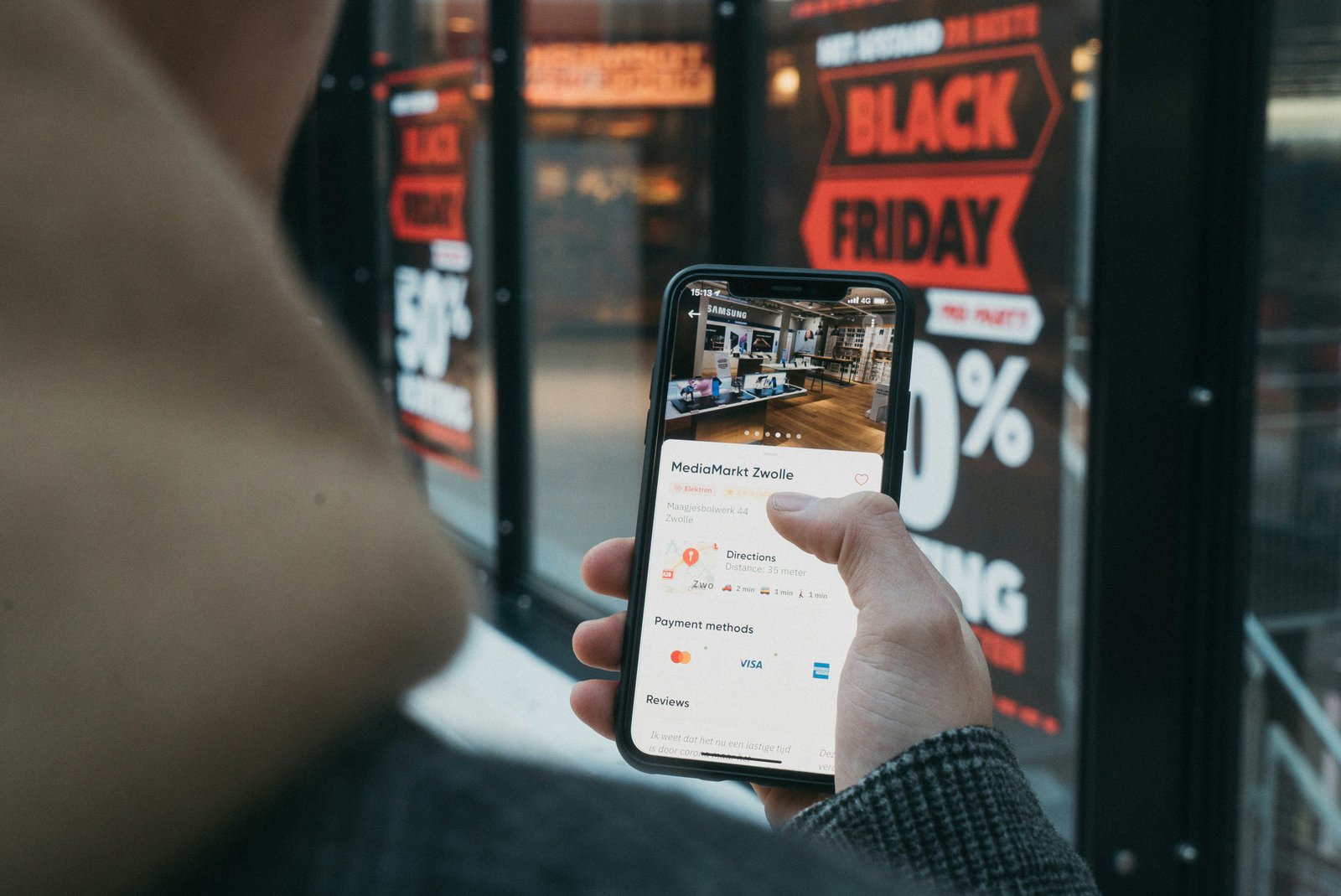

American consumers leaned heavily into digital carts and selective deals this holiday weekend as US shoppers spend big on Black Friday, setting online spending records even as physical stores saw thinner crowds. Early retail data released on Saturday, November 28, 2026, showed online sales climbing to a new high while overall retail sales excluding gas and autos rose 5.8% from last year’s Black Friday, according to Mastercard SpendingPulse. At the same time, stubborn inflation, fuel costs tied to Middle East tensions, and stormy Thanksgiving weather shaped how families spent their money, with shoppers mixing tech wish lists with everyday household basics.
Online Records, Thinner Store Crowds, and Top-Selling Categories
Preliminary figures across payment trackers, e-commerce analytics, and foot-traffic firms paint a clear picture of how consumers approached the biggest shopping day of the season.
Adobe Analytics estimated U.S. online Black Friday sales reached $13.1 billion, up 11% year over year and ahead of expectations, while Salesforce reported $19.1 billion in U.S. digital sales out of a record $82.7 billion globally, with order volume up 5% from 2025. Differences between the firms’ figures reflect distinct tracking methods, with Adobe monitoring over 1 trillion U.S. retail site visits and Salesforce analyzing shopping activity across more than 1.5 billion consumers.
Fewer Mall Walk-Ins, Steadier In-Store Spend: Store foot traffic fell 2.9% year over year according to RetailNext and 4.2% according to Sensormatic Solutions (though up 250% from the prior Friday), weighed down by online habits, bad weather, and tight household budgets. Even so, Mastercard SpendingPulse found in-store spending rose 3.8%, its strongest Black Friday pace since 2022, while Mastercard Economics Institute chief economist Michelle Meyer noted that inflation is expected to drive roughly half of projected holiday sales growth.
Electronics and software led spending growth at nearly 8% above 2025 levels, with buyers picking up gaming consoles, video games, smartphones, headphones, and smart glasses. Adobe also noted heavy demand for practical staples like clothing, baby items, pet supplies, and cleaning products as families hunted for discounts on essentials.
A Shopping Season Driven by Deals and Tight Budgets
Between rising prices at the pump and grocery aisle and tempting holiday markdowns online, consumers are pacing their spending carefully rather than splurging blindly.
My View
Seeing record online sales numbers makes for splashy retail headlines, yet big spending totals do not automatically mean families feel flush or stress-free.
When prices on fuel, groceries, and rent stay high, part of what looks like strong retail growth is simply shoppers paying more for the exact same items or using sales events to stock up on basic necessities they cannot put off. Waiting for discount days to buy everyday essentials is smart budgeting, not a sign that household pressure has vanished.
Real economic health shows up when families can cover basics comfortably without stretching every naira or dollar to the limit. Sales tags can soften the blow for a day, but steady, affordable living costs are what people truly feel.