
From the moment Venezuela announced it would respond to US strikes, the region understood that tensions had jumped to a dangerous level. Venezuela’s declaration did not come quietly. It arrived with strong words, promises of retaliation, and the clear message that ordinary people could be caught in the middle.
The Situation on Ground
Venezuela says American forces attacked residential areas early Saturday. Officials claimed missiles and rockets fired from helicopters hit homes, and civilians were at risk. While details from independent sources are scarce, the Venezuelan government painted the strikes as a serious violation of national sovereignty.
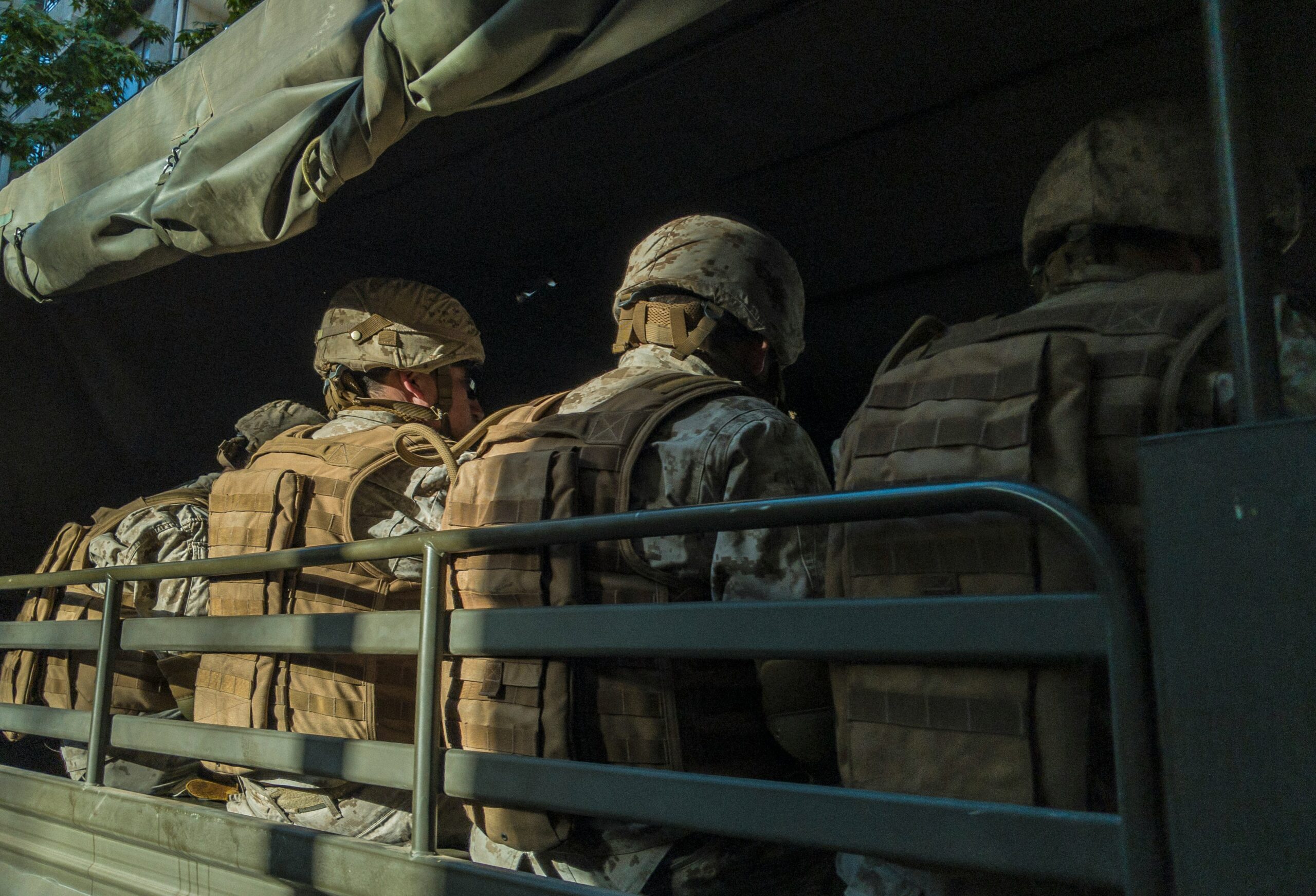
Defense Minister Vladimir Padrino Lopez warned of a “massive deployment” of all military resources, land, air, naval, and missile, to counter what he called an invasion. Venezuela is preparing for a serious confrontation.
What This Means for Civilians
When nations go to war, people often suffer most. Families living near military bases or urban centers could be in danger. Evacuations may become necessary, and disruption to basic services like electricity, water, and healthcare is almost certain. Residents already dealing with economic collapse and shortages now face the added risk of military conflict at home.
History shows that strong words from a defense minister often signal more than a warning. They indicate readiness to act, which could escalate quickly if either side miscalculates.
Political Impact in the Region
This situation also puts Latin American governments in a difficult position. Countries with left-leaning leaders may condemn the US, while right-leaning governments could quietly support action against Maduro’s regime. The division risks destabilizing regional politics and complicating efforts at diplomacy or sanctions.
The US faces the challenge of maintaining influence without triggering full-scale conflict. Past interventions in Latin America show that even limited strikes can generate long-term instability and resentment.
Military Buildup and Strategy
Venezuela’s claim of deploying all military capabilities is serious. Mobilizing air, land, naval, and missile units shows they plan to defend against both conventional and asymmetric threats. If action escalates, we could see clashes near borders, strategic points like ports, or even urban areas.
Experts will be watching how the US responds. Will they back off to avoid escalation, or continue to strike at what they consider military targets? Both sides are sending signals, and any misstep could trigger a dangerous chain reaction.