The Department of Justice (DOJ) Antitrust Division has broadened its federal scrutiny over rising food costs by expanding its beef price investigation down to the retail store level. Associate Attorney General Stanley E. Woodward Jr. issued official letters seeking data and pricing strategies from eight of the largest grocery and retail chains in the United States. This is a major part of the government’s fight against inflation at the meat counter, turning the lens directly on the final stage of the food supply chain.
Target Retailers Named in the Federal Inquiry
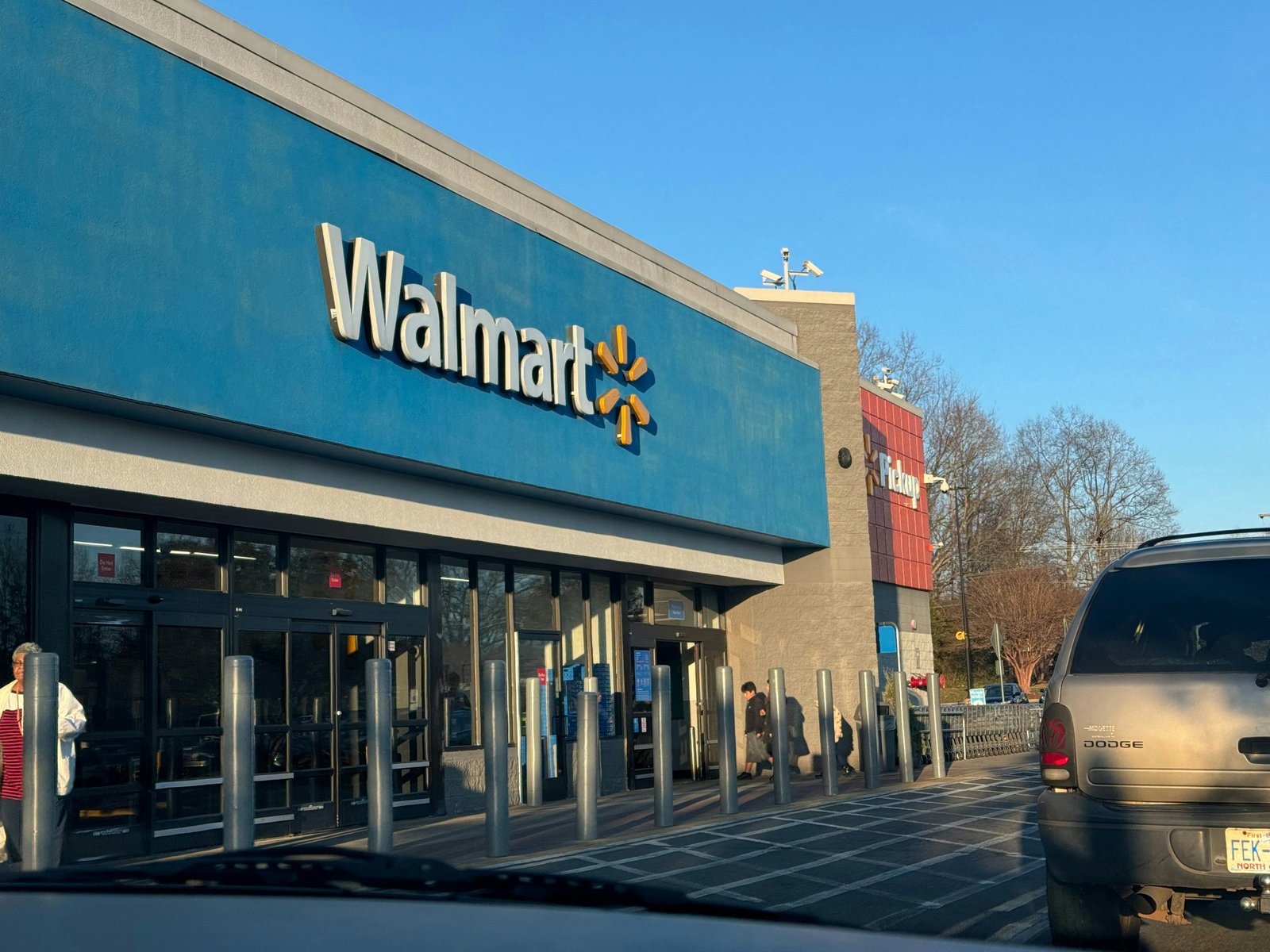
Federal prosecutors sent formal inquiries to eight major grocers, asking for five-to-six years of internal data regarding wholesale purchases, profit margins, retail price hikes, and pricing strategies for beef products:
1. Walmart
2. Costco
3. Amazon (including Whole Foods)
4. Kroger
5. Publix
6. Albertsons
7. Aldi
8. Ahold Delhaize
The initial antitrust probe began in May 2026, primarily targeting the “Big Four” meatpackers, Tyson Foods, JBS, Cargill, and National Beef, which collectively control roughly 85% of the U.S. beef processing market. While investigators reviewed over 3 million internal documents from these processors, retail beef prices continued to hit near-record highs, with ground beef hovering around $7.00 per pound.
To determine whether retail profit-gouging is exacerbating the burden on consumers, regulators are now scrutinizing markup behaviors among major grocers. To encourage industry insiders to come forward, Attorney General Todd Blanche emphasized that whistleblowers can claim 15% to 30% of recovered criminal penalties that exceed $1 million.
Shortages, Import Tariffs, and Political Pressure
The retail inquiry occurs alongside severe supply constraints. According to Agriculture Secretary Brooke Rollins, the U.S. cattle supply dropped to approximately 86.2 million head, the lowest herd count recorded since the 1950s. In response, President Donald Trump recently announced plans to temporarily ease tariffs on up to 300,000 metric tons of imported foreign beef to cool retail prices, while proposing measures allowing ranchers more freedom to process their own meat
Opinion
It is reasonable that federal investigators are extending their probe directly into retail grocery aisles. While ranchers struggle with small herd sizes and consumers pay elevated prices at checkout, the intermediate markup process requires clear oversight.
Meatpackers have long held market power, but retail conglomerates also wield significant influence over shelf pricing. Examining whether supermarkets are artificially keeping retail prices high even when wholesale costs fluctuate is a necessary step. If price gouging or coordination is taking place, accountability is vital to protecting everyday household budgets.