Waymo has temporarily halted the operation of its driverless vehicles on freeways across the United States following a ban imposed by California authorities over safety concerns linked to recent traffic incidents.
The decision followed California’s Department of Motor Vehicles (DMV) restriction on the company’s driverless taxis using state freeways, citing an “imminent hazard to public safety”.
The regulator pointed to an incident earlier this month in which several Waymo vehicles drove into an active construction zone on US Route 101, where road workers, vehicles and equipment were present.
Waymo said it was working with state officials “diligently and responsibly to resume freeway operations”. The company also stressed that no injuries or collisions were recorded in the incident, which occurred on the highway south of San Francisco.
In a separate incident earlier this month, footage circulated widely on social media appeared to show a Waymo vehicle attempting to overtake patrol cars that were deliberately slowing traffic on a San Francisco highway.
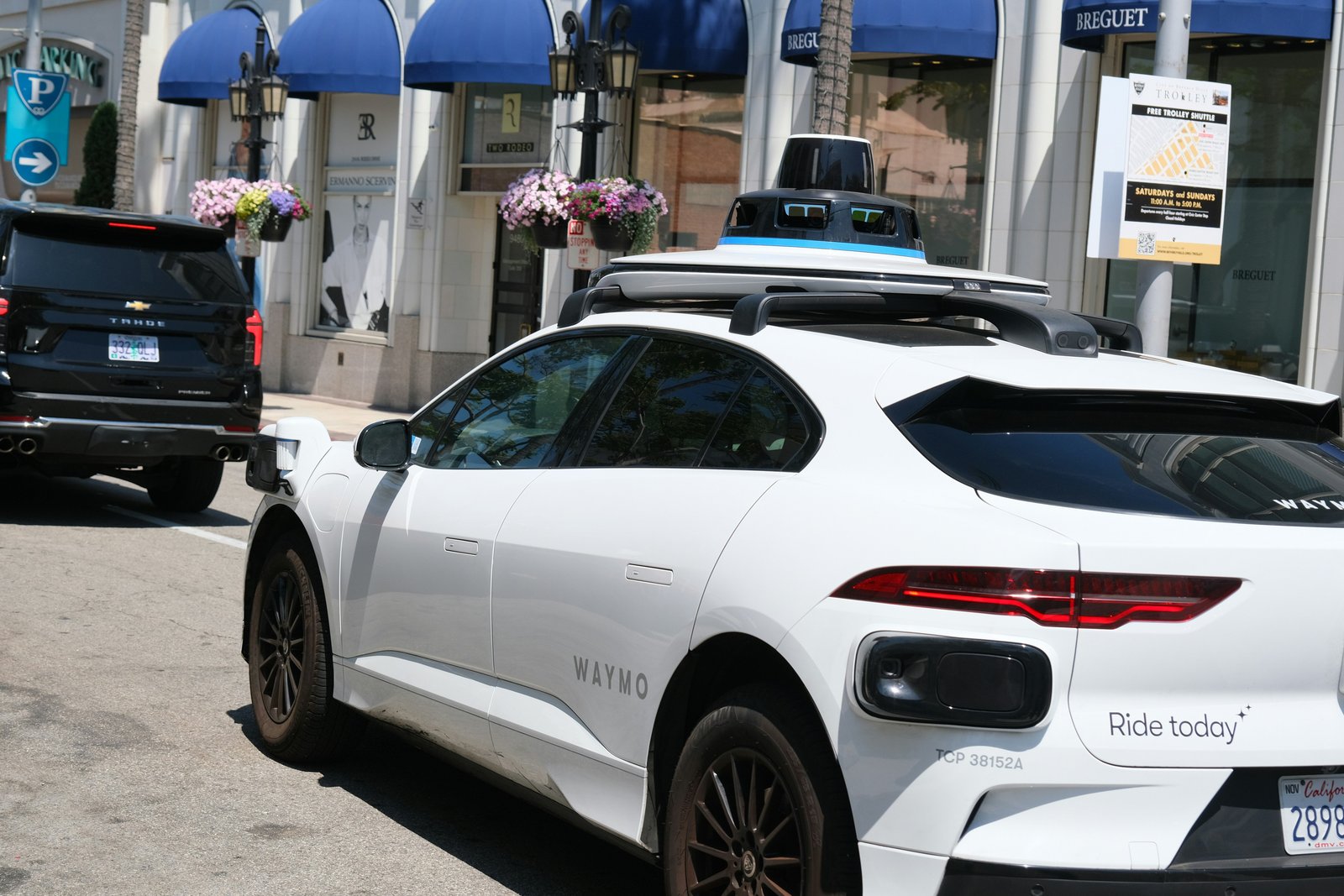
California’s ban took effect on November 11 and will remain until Waymo “demonstrates to the department that it has taken effective corrective actions to address the deficiencies that precipitated the restrictions”.
A spokesperson for the company said the decision to suspend freeway operations in other locations was taken in line with its safety commitments.
“In alignment with our safety-first principles, we have also temporarily restricted freeway operations across our other operating markets to evaluate our performance,” the spokesperson said.
Despite the incidents, data published on Waymo’s website indicates that its vehicles are involved in 95 per cent fewer crashes resulting in serious injuries than cars driven by humans.
Waymo currently provides driverless taxi services in 15 US cities, although freeway journeys have only been available in a limited number of locations, including San Francisco, Los Angeles and Miami.
The latest restrictions do not affect the company’s services on ordinary city roads, where its driverless taxis can continue operating.