
When the lights went out in San Francisco last December, the city’s robotaxis didn’t know what to do. They stopped, piling up at intersections, blocking traffic and forcing police officers to play tow truck.
Four months later, first responders are still cleaning up Waymo’s messes — and they’re fed up.
“What has started to happen is that our public safety officers and responders are having to be the ones to physically move [the cars],” Mary Ellen Carroll, executive director of San Francisco’s Department of Emergency Management, testified at a public hearing Monday. “In a sense, they’re becoming a default roadside assistance for these vehicles, which we do not think is tenable.”
The hearing was called to dissect the chaos caused by Waymo’s fleet during the December power outage. When traffic lights went dark, the robotaxis became confused, stopped in place, and clogged intersections across the city. Police officers had to intervene at at least four locations, either calling Waymo, summoning tow trucks, or physically moving the vehicles themselves.
Adding insult to injury, Carroll testified that her response teams had trouble reaching the company. One staffer who called Waymo was put on hold for nearly an hour.
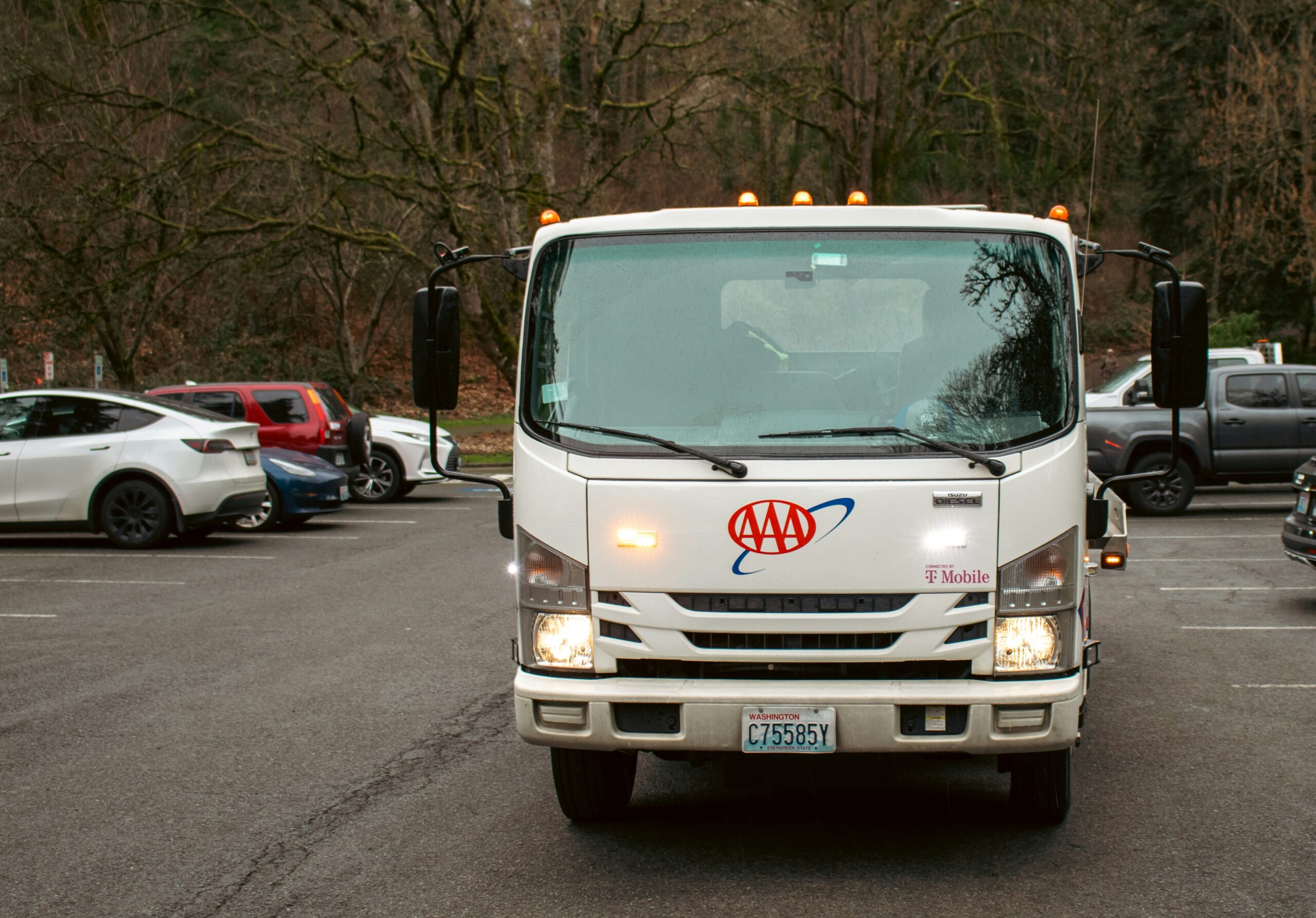
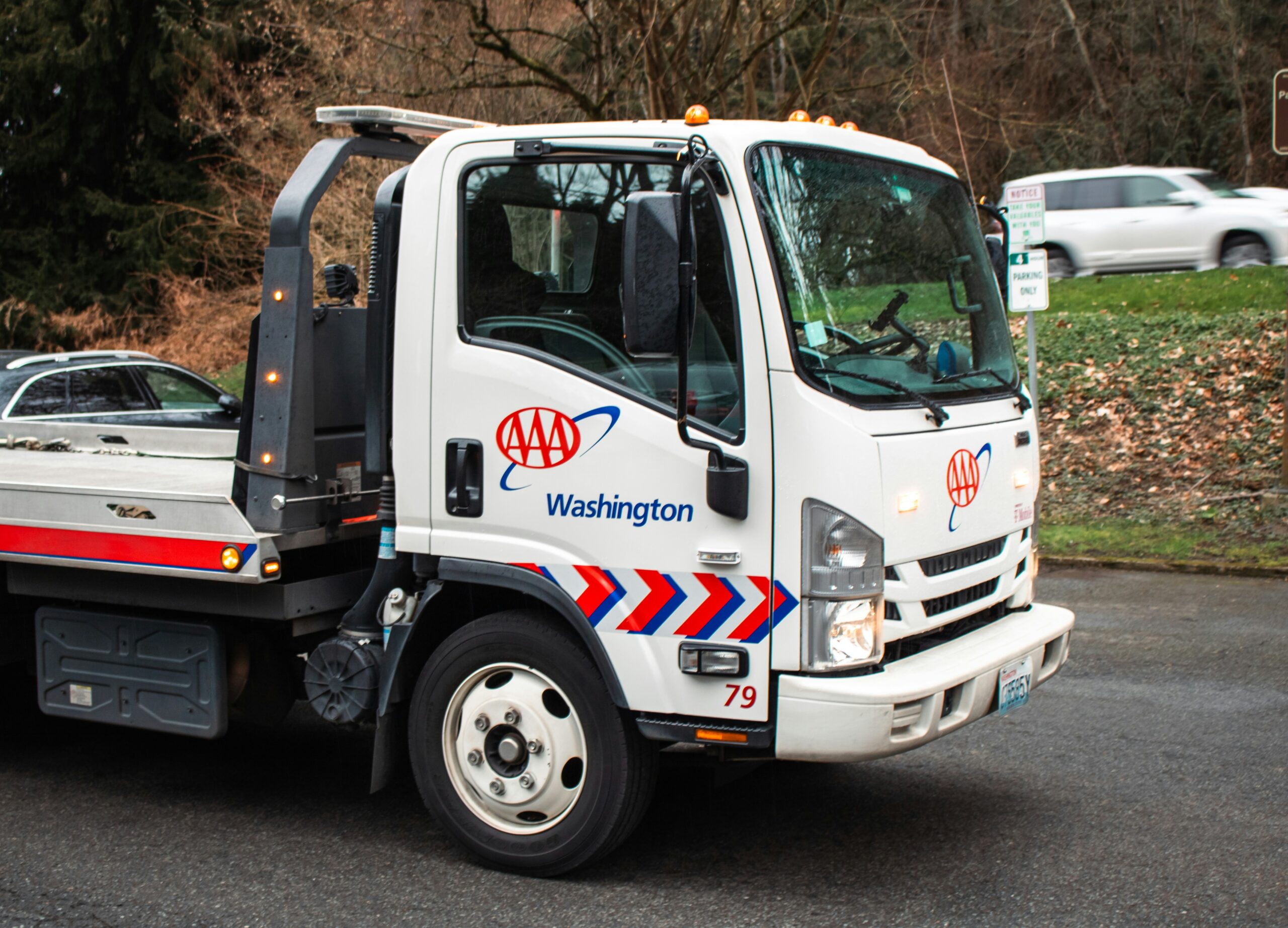
‘Our First Responders Should Not Be AAA’
City leaders seized on Carroll’s complaint, pressing Waymo representatives on what steps the company was taking to ensure its vehicles don’t impede emergency operations.
Sam Cooper, a Waymo incident response specialist, pointed to the company’s online training program, which he said had helped prepare 1,000 San Francisco first responders to handle robotaxi incidents.
Supervisor Bilal Mahmood was unimpressed.
“Frankly, what I’m hearing mostly is that you kind of still expect our first responders to do roadside assistance, and you are just going to help us train them better to do that,” Mahmood said. “I’m not really hearing a response about how you can take on some of that responsibility as well.”
Supervisor Alan Wong was blunter: “Our first responders should not be AAA roadside assistance.”
The Austin Mass Shooting
The hearing came just days after a Waymo robotaxi blocked an ambulance responding to the March 1 mass shooting in Austin, Texas. Footage shows the cab frozen in place, forcing the ambulance driver to reverse and take a different route.
This was not an isolated incident. Waymo cabs have been spotted driving through active police standoffs, and officers have had to pull them over for basic traffic violations like driving on the wrong side of the road.
Waymo’s Response
In a statement to SFGate, a Waymo spokesperson defended the company’s approach, noting that the ability for emergency workers to move immobilized vehicles came at the request of first responders.
“We recognize the need for emergency responders to have this capability, but do not seek to make it the default,” the spokesperson said. “Waymo aims to limit the use of this feature as much as possible, prioritizing moving out of the lane of travel fully autonomously when appropriate and able.”
For San Francisco’s first responders, that assurance rings hollow. They’re still getting put on hold, still moving robotaxis by hand, and still cleaning up messes they didn’t make.
“We are not AAA,” Wong had said, sending a message to Waymo that it should figure it out, or get off the road.