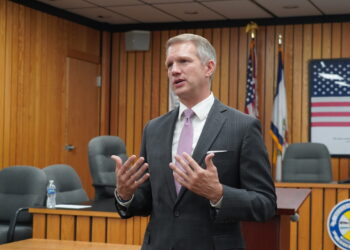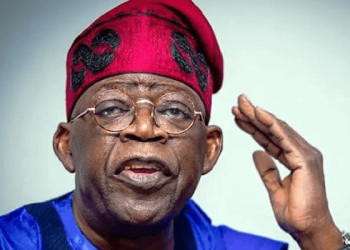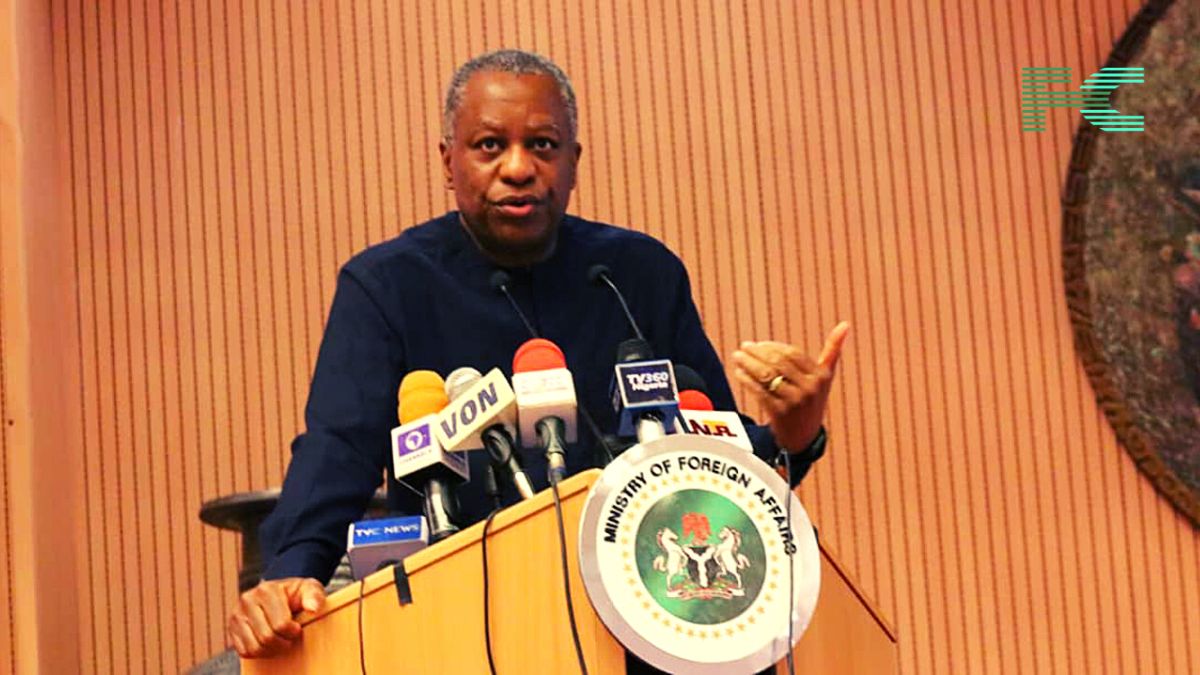

“We paid in blood.” That sentence now sits at the centre of a growing backlash against Donald Trump after the U.S. president questioned the role of NATO allies in the war in Afghanistan. What Trump described as allies staying “a little off the front lines” has been received by veterans across Europe as an insult to years of sacrifice, shared danger, and buried friends.
For many former soldiers, this was not just careless talk. It touched something raw. And it has reopened old wounds at a time when trust between the United States and Europe is already thin.
A Remark That Cut Too Deep
Trump’s comments came during an interview in which he suggested the United States never truly needed NATO and implied that American troops carried the real burden in Afghanistan.
To veterans who fought in that war, the statement felt like history being rewritten. European soldiers fought and died alongside U.S. forces for nearly two decades. They patrolled the same roads, faced the same bombs, and returned home with the same scars.
This is why the reaction was immediate and emotional.
“We Didn’t Stand Aside”
Retired Polish general Roman Polko, who served in Afghanistan and Iraq, said Trump crossed a red line. His words were simple and heavy: “We paid with blood for this alliance.”
British veterans echoed the same message. Former officers and soldiers reminded the world that not everyone came home. Many did not. Others returned injured, both in body and mind.
Why This Matters Beyond Words
Trump’s supporters may argue that he was making a broader point about NATO funding or burden-sharing. Some veterans even agree that Europe should spend more on defence.
But that is not what angered them. What hurt was the suggestion that their service mattered less. That they stood behind while others fought ahead.
In military culture, that kind of claim is deeply offensive. Shared risk is the foundation of trust. Questioning it weakens the bond that alliances are built on.
Leaders Step In, Carefully
Senior politicians in Britain, Poland, and Denmark backed the veterans. Britain’s veterans minister called Trump’s remarks “ridiculous” and reminded him that allied troops shed blood together.
Former intelligence chiefs also spoke up, stressing how closely NATO allies worked with the United States in dangerous conditions. This was not charity work. It was joint combat.
Yet many leaders were careful with their words. They criticised the statement, but avoided escalating the fight. That caution itself tells a story.
Old Tensions, New Damage
Trump’s comments did not land in isolation. They came after months of tension over NATO, defence spending, and even Greenland. To many in Europe, this feels like another signal that Washington may no longer see alliances as partnerships, but as transactions.
For veterans, this is painful. For governments, it is worrying. Trust, once shaken, is hard to rebuild.
The Numbers Trump Ignored
Facts matter here. Thousands of European soldiers served in Afghanistan. Hundreds were killed. Denmark, a small country, lost 44 troops, one of the highest death rates per capita in NATO. Britain lost 457. Canada, France, Poland, and others paid similar prices.
These numbers are not talking points. They are names on memorials.
More Than an Apology
Veterans are asking for an apology, but what they really want is acknowledgement. A clear statement that their service counted. That their losses were real.
NATO is not just a treaty. It is a shared memory of wars fought together. When that memory is questioned, the alliance weakens from the inside.
“We Paid in Blood” is not a slogan. It is a reminder. And right now, many NATO veterans feel that reminder is being ignored.