
In a high-stakes power play that has redefined West Africa’s political chessboard, Nigeria has dramatically intervened in Guinea-Bissau’s coup crisis, granting asylum and embassy sanctuary to a leading presidential candidate in a bold move that challenges the nation’s new military junta.
The political gambit sees Fernando Dias da Costa, the 47-year-old main challenger to ousted President Umaro Sissoco Embaló, now under special Nigerian protection after fleeing armed men who came to arrest him during the military takeover. Nigeria’s Foreign Minister Yusuf Tuggar declared the action underscores Nigeria’s “firm commitment to safeguarding the democratic aspirations” of Guinea-Bissau, simultaneously requesting ECOWAS peacekeepers to guard the embassy in a direct affront to the coup leaders.
The asylum grant escalates a crisis already dripping with intrigue, as prominent regional figures, including Senegal’s Prime Minister and Nigeria’s former President Goodluck Jonathan, suggest the coup may have been “fabricated” or “simulated” by Embaló himself to block election results. With the junta having already sworn in a transitional military ruler and banned all protests, Nigeria’s sanctuary for a key politician transforms the embassy into a fortress of democratic resistance.
Why It Matters
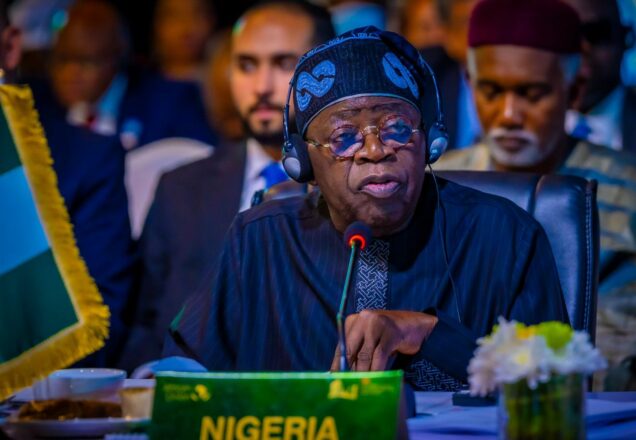
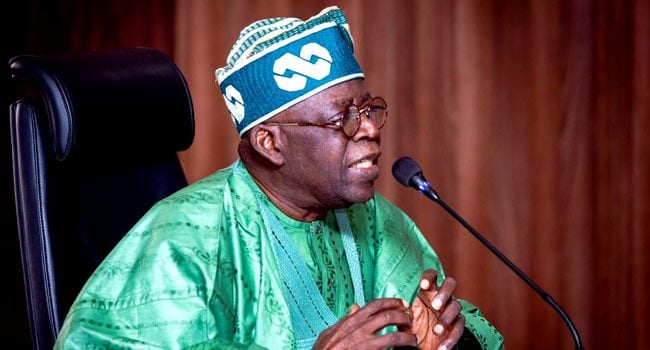
Let’s not mistake this for diplomatic protocol—it’s political warfare by other means at best. Nigeria, under President Tinubu, isn’t just offering refuge; it’s planting the flag of opposition inside the coup’s epicenter, making its embassy both a sanctuary and a strategic beachhead against military rule.
By protecting Dias, Nigeria accomplishes three strategic goals: it legitimizes the blocked election results by safeguarding a main contender, it creates a living symbol of the democratic process the junta tried to erase, and it forces ECOWAS to pick a side—will the regional bloc back Nigeria’s defiance or tolerate the generals’ power grab?
The speculation about a “simulated coup” makes this even more dire. If Embaló indeed orchestrated his own overthrow to avoid electoral defeat, then Nigeria isn’t just defying a junta—it’s exposing a continent-wide scandal of a president willing to destroy his country’s institutions to cling to power. Nigeria just moved its knight into the center of West Africa’s most dangerous game, and every other player must now reconsider their position.