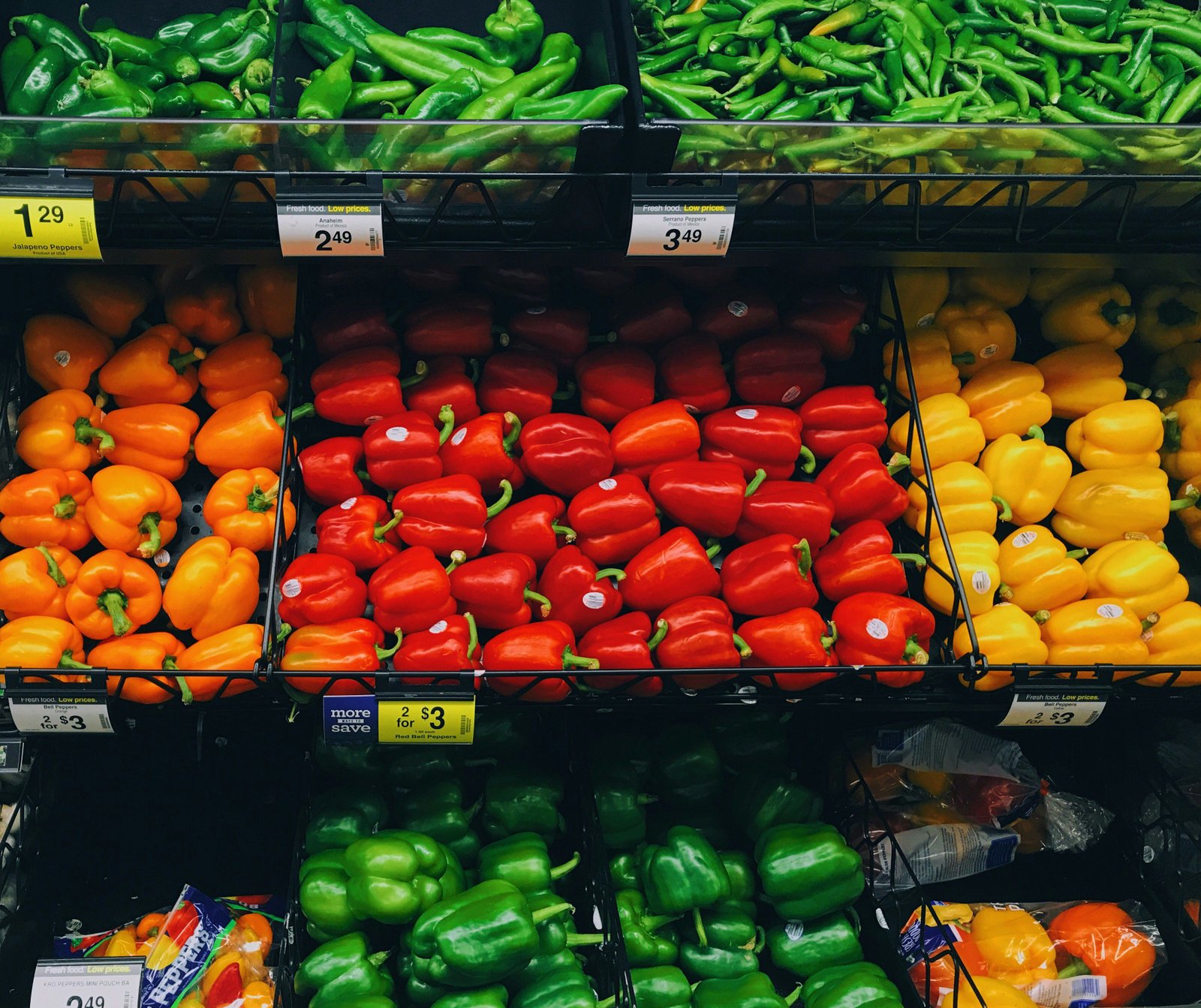

Starting October 1, 2026, the Maryland grocery pricing law Oct 1 officially takes effect across the state. Enacted under the Protection From Predatory Pricing Act (House Bill 895), this groundbreaking legislation prohibits major grocery stores and delivery services from using personal data to target individual shoppers with higher prices. Maryland is the first state in the nation to enact a direct ban on personalized, surveillance-based pricing in the food sector, ensuring that algorithms cannot exploit consumer shopping habits, location data, or browsing history to inflate checkout totals.
How Dynamic Surveillance Pricing Is Being Restricted
The new Maryland grocery rules specifically ban covered businesses from setting individualized prices based on personal data collected directly or bought through data brokers. Prior to this law, pricing algorithms could monitor online behavior, such as items left in a digital cart, device type, or physical location, to estimate how much a customer might be willing to pay. Under the new restrictions, covered grocery retailers operating facilities of at least 15,000 square feet and third-party grocery delivery platforms can no longer charge one customer more than another for the exact same item based on their personal profile.

What Changes and What Stays the Same for Shoppers
While the law introduces robust consumer data protections, it does not completely eliminate price differences at the register:
1. Permitted Practices: Traditional sales, digital coupons, temporary weekly promotions, and store loyalty programs remain fully legal. Retailers can also charge different prices based on objective expenses like shipping, geographic region, or inventory availability.
2. Banned Practices: Charging higher base prices to a specific shopper based on location tracking, personal income inferences, or past buying history.
3. Other Businesses: Non-grocery businesses using algorithmic pricing are generally required to display clear disclosures next to the price stating that an algorithm or personal data was used to set it.
Enforcement and Penalties Under the Protection From Predatory Pricing Act
Enforcement of the Maryland grocery pricing law on Oct 1 will fall strictly under the Consumer Protection Division of the Maryland Attorney General’s Office. The law does not allow individual citizens to sue stores directly. Retailers flagged for violations will receive a mandatory 45-day cure period to fix the issue. If a business fails to comply after notification, it faces severe fines under the Maryland Consumer Protection Act, up to $10,000 per violation and up to $25,000 for repeat offenses.
Opinion
The implementation of the Maryland grocery pricing law marks a much-needed turning point in consumer advocacy. For years, big tech and retail corporations have quietly gathered massive volumes of personal data under the guise of “improving customer experience”. In reality, much of that data has been weaponized to squeeze every possible penny out of working families through hidden, automated price discrimination.
Groceries are a fundamental human necessity, not a luxury item where prices should flex based on who is standing in the aisle. Allowing algorithms to charge a parent more for milk or bread simply because their smartphone data reveals they live in a certain neighborhood or shop at a specific time of day is predatory. Maryland deserves credit for drawing a firm boundary between helpful, voluntary loyalty discounts and secret, surveillance-driven price gouging.
As federal regulators and other states evaluate similar measures, Maryland’s proactive stand sends a loud message to the retail industry: consumer privacy must be respected, and basic household necessities should always be sold on a fair, transparent, and equal playing field.