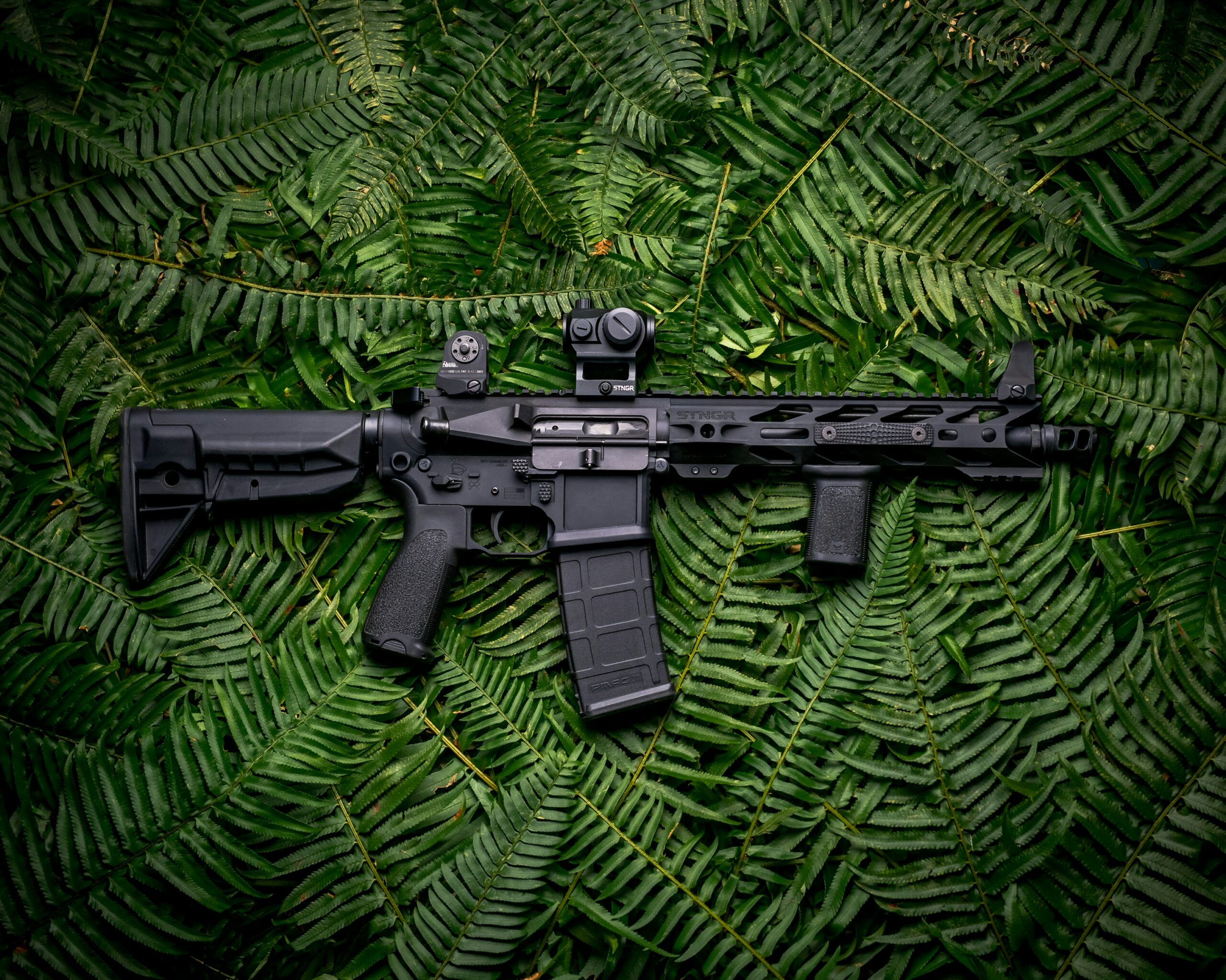

For many people watching from Africa and other parts of the world, there is a strange mix of sadness, confusion and disbelief when another mass shooting hits the West. Headlines like the school shooting in Canada, the tragedy at Brown University, and attacks near Bondi Beach in Australia keep repeating in Western news, and people back home shake their heads. What the West won’t admit about gun violence is that these events don’t happen in isolation; they are connected to big social, legal and cultural differences that most African societies understand instinctively, even if the West rarely says it out loud.
In many African countries, safety is not perfect, but the patterns of violence are different. There are conflicts, there are crimes, but the kind of mass indiscriminate shootings we see in Western societies are far less common. This is not because Africa is magically peaceful, but because community life, social networks, and even informal forms of discipline shape behaviour in ways that Western gun violence statistics rarely reflect.

Community Life vs Individual Isolation
One of the biggest things the West won’t admit about gun violence is how isolation plays a role. In many African communities, people know their neighbours, families live close, and a sense of “we belong together” still matters. Walk into a market in Nigeria, Ghana, Kenya, or South Africa, you will see people greeting each other by name, elders being respected, and shop owners noticing who is coming and going. If someone behaves strangely, people talk about it, intervene, and warn others. Social pressure works in ways hard to measure in statistics.
Contrast this with many Western cities. In large parts of the United States, Canada, Europe or Australia, it is common for people to never speak to their neighbours. Apartments, suburbs and campuses can feel like islands. You can walk past people every day, and nobody knows your name. Loneliness, lack of community ties, and weak social bonds can make small personal crises spiral into violent acts. This connection is uncomfortable and rarely admitted in public debates about gun violence.
Africans in the diaspora know this well. Many send their children “back home” for part of their upbringing, believing that strict discipline, respect for elders, and a sense of community rooted in extended family will help their children grow into grounded adults. In contrast, the West often teaches independence from a young age, good in many ways, but it can also mean young people face pressure without a safety net of close-knit social support.
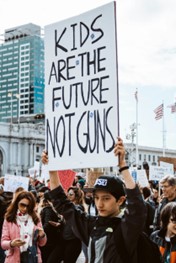
Not Just Culture — Legal Differences Matter
Now here is what the West won’t admit about gun violence: easy access to guns is a central part of the problem. In the United States, for example, the Second Amendment has created a culture where firearms are widely owned and legally protected. People can buy guns with relative ease compared to most parts of the world. This means conflicts that might be resolved verbally in other places can quickly become deadly in the U.S. Tens of millions of guns circulate in civilian hands.
Canada’s laws are stricter than those of the U.S., but guns are still relatively accessible compared to many countries. Hunters and sport shooters can own rifles and handguns after licensing and checks, and private sales can still happen in ways that make oversight difficult. When someone chooses violence, a gun becomes the tool that transforms tragedy into a mass casualty event.
In Australia, strong gun law reforms followed the Port Arthur massacre in 1996, including buybacks and tight controls on automatic weapons. Shootings like the one near Bondi Beach are rarer, but they still happen. The legal systems in Western countries often struggle between protecting rights (like gun ownership) and protecting public safety, and what the West won’t admit about gun violence is that this legal tension often tilts in favour of individual rights at the expense of community safety.
By contrast, in many African countries, firearms are tightly controlled by the state. Licences are hard to get, and private gun ownership is lower. That does not mean guns don’t exist, illegal weapons do — but the social and legal environment keeps mass shootings far out of the everyday experience for most people.
Mental Health, Alienation and Social Support
Another aspect the West won’t admit about gun violence is how mental health and social support systems differ. In many African societies, extended family and community elders play a big part in monitoring behaviour. Young people struggling with emotional problems might find themselves guided by someone in the community before things escalate. Traditional structures can act as early warning systems.
Western societies, especially large cities with high mobility, can leave individuals isolated. Mental health services exist, but access is uneven and stigma remains. Some people slip through the cracks. The result is a dangerous combination: troubled individuals plus easy access to firearms.
Mass shootings in the West often involve young people who feel disconnected, unheard, or desperate for attention. These stories are familiar in American media, the lone gunman, the neglected warning signs, the rapid escalation to violence. What the West won’t admit about gun violence is that loneliness and alienation are part of the trigger.
Why Africa Feels Safer
It might feel like Africa is safer in terms of mass shootings and in many places, that is true. But the reasons are not mystical. They are real and rooted in social structures:
- Community oversight: People know each other. Strangers are noticed. Families intervene early.
- Social pressure: Acting out in public is harder when you cannot disappear into anonymity.
- Extended family networks: Young people often grow up with multiple adults watching their behaviour.
- Tighter gun control in many places: Legal barriers make guns harder to obtain for ordinary people.
These things do not eliminate violence, far from it. Africa has its own serious security challenges, including banditry, insurgency, and crime. But the everyday horror of random mass shootings is less common because the social environment is closer, and guns are less easy to own legally.
What Must Be Said
Africa has its own problems, yes, but many of its social values, community, respect, and collective care act like invisible safety nets that Western societies have let fray. Until this is openly discussed, Western debates on gun violence will circle around symptoms, not causes.
For people watching from Africa and across the world, the lesson is clear: safety comes not just from laws on paper, but from communities that hold each other accountable, protections that balance rights with responsibilities, and a culture where no one is truly invisible.
That is what the West won’t admit about gun violence, and maybe it is time they did.