Top tech executives met in Washington on Tuesday to discuss White House AI voluntary rules for testing advanced technology. The meeting brought together leaders from OpenAI, Anthropic, and Google following a new executive order focused on artificial intelligence safety. However, the push for voluntary cooperation comes just weeks after the government used federal export controls to force Anthropic’s newest models completely offline. That sudden shutdown left tech companies questioning how voluntary these government guidelines will actually be in practice.
How White House AI Voluntary Rules Clash
The push for White House AI voluntary rules centers on creating a 30-day window for government security checks before new tools launch to the public. Officials argue that giving federal agencies access to check for software security risks will protect national infrastructure from potential cyberattacks.
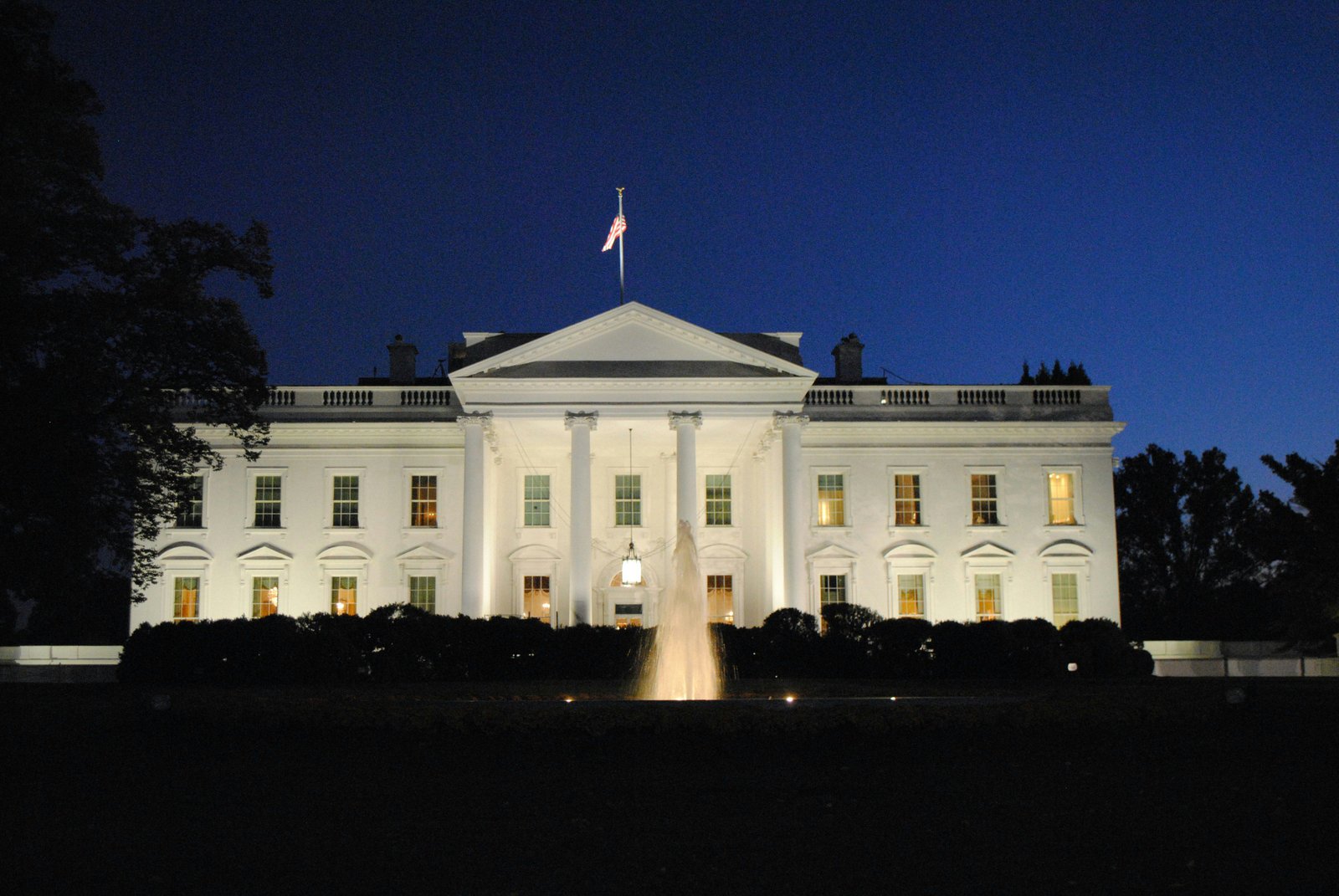
Yet tech developers remain uneasy after the Commerce Department ordered Anthropic to pull its Mythos 5 and Fable 5 models off the market in June. Officials claimed the tools had security flaws that foreign actors could exploit, even though Anthropic insisted the risks were minor and manageable. By stepping in with heavy restrictions while pitching opt-in guidelines, Washington is sending mixed signals to the entire tech sector.
Inside The New White House AI voluntary Rules Framework
Under the proposed testing framework, companies can choose whether to hand over early access to their private AI systems. Government reviewers then test the code to identify potential vulnerabilities before commercial release.
While administration officials claim participation is optional, tech companies know the government can step in with mandatory orders if a firm declines to cooperate. As a result, many developers view these opt-in safety meetings as mandatory in everything but name.
My Opinion
It is hard to take the word “voluntary” seriously when it comes straight from an administration that just pulled the plug on a major tech product two months ago. If a government agency can shut down your product using national security laws because they dislike your safety protocols, then any “optional” framework you sign onto is backed by an implicit threat.
The fundamental problem here is a total lack of clear rules. Tech companies are spending billions of dollars to build next-generation tools, but they have no idea where the legal boundaries actually sit. One day the government says developers can self-regulate, and the next day officials use export laws to freeze code that was already built and deployed. That kind of unpredictable environment makes real innovation almost impossible.
If the U.S. wants a safe AI industry, it needs to pass clear, transparent laws through Congress rather than relying on backroom meetings and sudden enforcement actions. Telling companies they have a choice, while keeping a heavy regulatory hammer hidden behind your back does not create safety. It just creates confusion, breeds distrust, and forces developers to walk on eggshells every time they push a software update.
Bottom Line
The rollout of White House AI voluntary rules shows that Washington is taking a much firmer hand in technology development. As companies balance rapid innovation with strict government oversight, the line between voluntary agreements and federal orders will remain paper-thin. Until clear legal standards are established, every major AI release will likely face intense political scrutiny.