
The recent attack in Kwara State has left the country shocked and angry. The United Nations, the United States, and Türkiye have all condemned this brutal act, leaving many asking: Who is behind the Kwara attack that has caused the UN and US to condemn Nigeria? Gunmen stormed Woro and Nuku communities on February 3, killing at least 75 people, burning shops, and even attacking the residence of a traditional ruler. Families are grieving, and entire communities have been displaced.
International Outrage and Condemnation
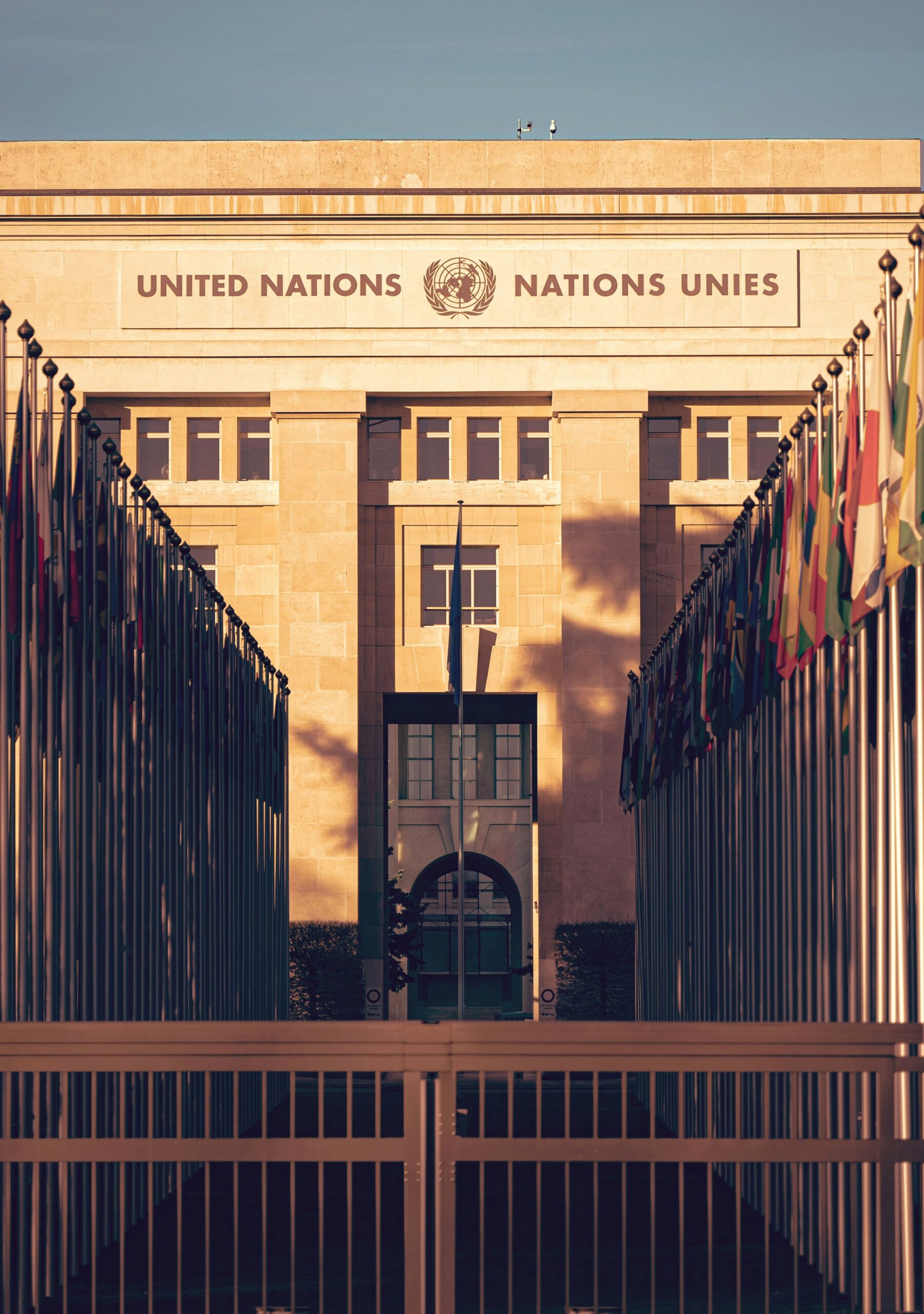
The UN Secretary-General, Antonio Guterres, expressed his strong condemnation of the attack on X, offering condolences to the victims’ families and hoping for a speedy recovery for the injured. The United States Mission in Nigeria called it a horrific attack and offered condolences, noting that the death toll may be even higher than the initial 160 reported. Türkiye also condemned the killings, describing them as “heinous” and promising continued support for Nigeria in its fight against terrorism.
It is rare to see so many international voices speak in one tone of outrage over an incident. But the truth is, attacks like this are not new in Nigeria. In other countries, governments respond quickly and decisively to terror attacks. Look at how Kenya handled the Westgate Mall attack in 2013 or how the United States responds after mass shootings: security is tightened, and investigations move fast. Yet here in Kwara, citizens are still waiting for real protection.
The Nigerian Government Must Answer
President Tinubu has ordered the deployment of an army battalion under Operation Savannah Shield and directed officials to provide aid and bring perpetrators to justice. The Inspector-General of Police has launched a manhunt. Governors, political groups, and the Northern States Governors’ Forum have condemned the killings.
What exactly is this nonsense? How many more massacres will it take before the government acts decisively? People in Kwara are human beings, not animals, and they deserve safety in their own homes. Political statements and military gestures are not enough when communities live under constant threat.
The Human Cost
Governor Abdulrahman AbdulRazaq described the attack as a “pure massacre,” confirming that at least 75 bodies have been buried. But reports suggest the casualty figure could be higher. Homes have been burnt, shops destroyed, and the trauma of the survivors cannot be measured in numbers. Children, women, and the elderly are left to rebuild from the ashes while waiting for justice.
When governments fail to protect citizens, it is natural for anger to rise. This is why questions about accountability are not just necessary, they are urgent. Who planned this? Who supplied the weapons? And why are communities in Nigeria repeatedly left vulnerable?
Learning From Other Countries
In other nations, mass attacks trigger immediate investigations, long-term security planning, and community support. In France, after the 2015 Paris attacks, emergency response units, intelligence agencies, and social support systems worked together to ensure that survivors received help. The same is true in the US, where local law enforcement, federal agencies, and community organizations act quickly to prevent repeat incidents. Nigeria must start learning from these examples because the cost of delay is measured in human lives.
The Call for Justice
The world is watching Nigeria, and the Kwara attack has placed the Tinubu government under scrutiny. Citizens are demanding answers, not excuses. They want the killers brought to justice, villages protected, and families supported. The UN, US, and Türkiye have condemned the violence, but the Nigerian government must take responsibility on the ground.
Who is behind the Kwara attack that has caused the UN and US to condemn Nigeria? It is a question every Nigerian is asking, and until there is clear action, people will continue to live in fear. These attacks are not just statistics, they are real human suffering, and the government must step up, not just react.