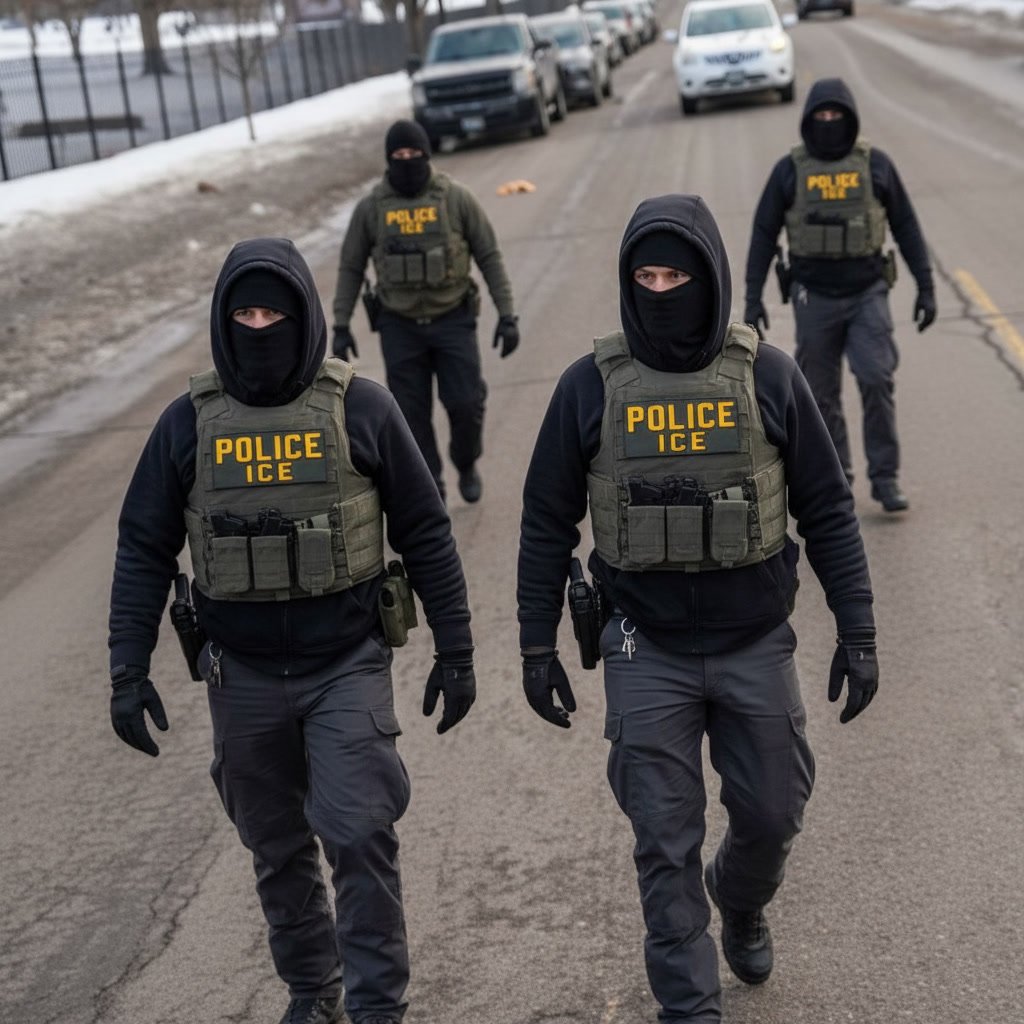

Chinese human rights attorney Wu Shaoping was detained by US Immigration and Customs Enforcement at a US airport on July 16, 2026.
Wu traveled to the US for legal forums and meetings with advocacy groups. Instead of entry, he was placed in ICE custody.
The case has drawn attention from legal organizations in both the US and abroad. They are calling for transparency and immediate release.
Who Is Wu Shaoping and Why Is He Known?
Wu Shaoping, 52, is a Beijing-based lawyer. He has spent 20+ years defending activists, journalists, and religious minorities in China.
He is not affiliated with the Chinese government. His work often puts him at odds with state authorities.
In the US, Wu has spoken at universities and NGOs about the rule of law. Several groups invited him for events in New York and Washington, D.C., this summer.
His name is well known in human rights circles. That’s why the detention spread fast online.
Where and When Did the ICE Detention Happen?
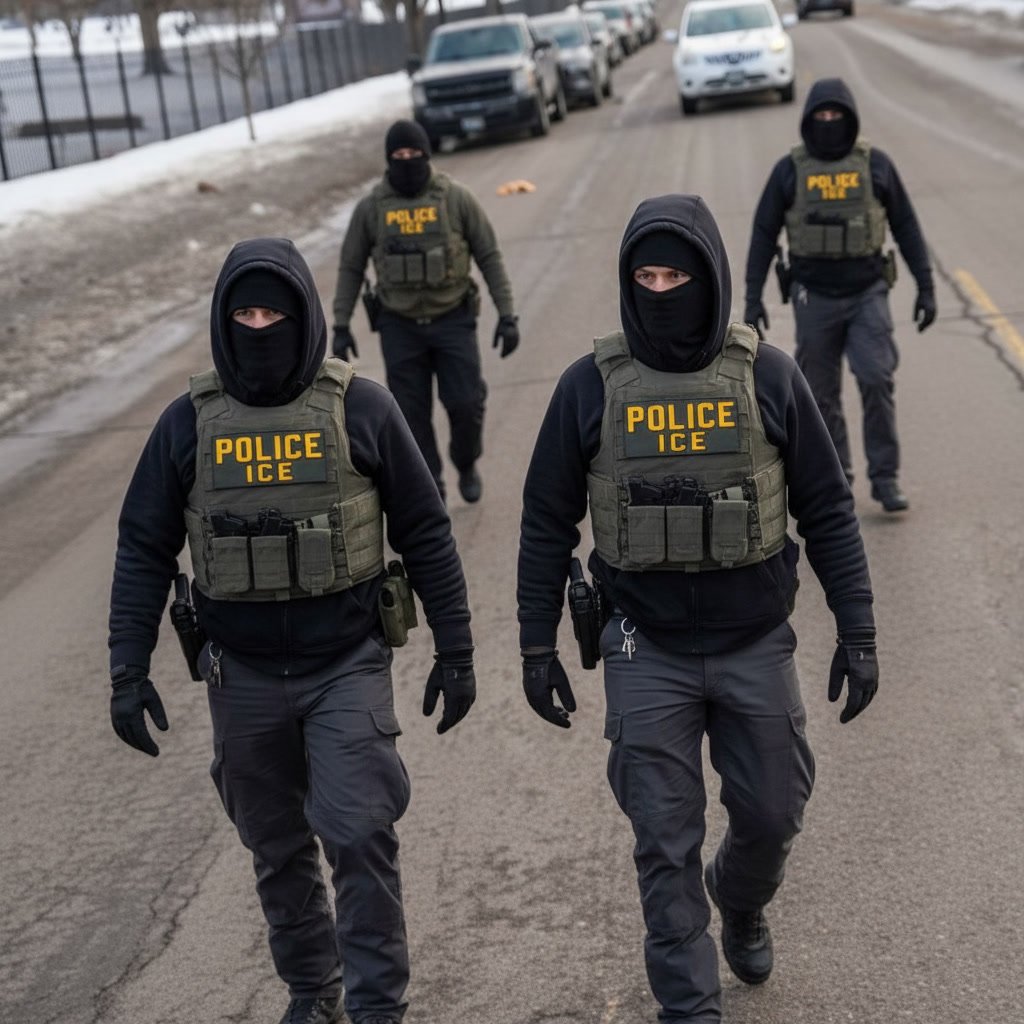
ICE stopped Wu Shaoping at a major US international airport on July 16, 2026.
Officials have not confirmed which airport. Reports point to either JFK or Dulles based on his itinerary.
He was held for secondary inspection. After 6 hours, ICE moved him to a detention facility.
Because the news broke within the 0-6 hour window, early reports called it “breaking.” Now the focus has shifted to legal details and implications.
Why Was the Chinese Lawyer Detained by ICE?
ICE has not filed formal charges. A spokesperson said Wu was detained for “immigration review and additional vetting.”
Sources close to the case say officers questioned him about his clients and past cases in China. They also asked about his US contacts.
Immigration attorneys say this type of screening has increased for Chinese nationals in 2026. Diplomatic tensions and visa policy changes are factors.
Wu’s legal team argues there is no legal basis. They filed a habeas petition demanding his release.
What Are Legal Experts Saying About the ICE Detention?
US immigration lawyers call the detention “unusual.” Detaining a foreign attorney invited for public events is rare.
The American Bar Association issued a statement. It said, “lawyers should not be targeted for the clients they represent.”
Human rights groups worry this sets a precedent. If attorneys can be held at the border, it could limit international legal exchange.
Other countries are watching. The EU and Canada have asked the US for clarification.
How Does This Fit Into 2026 US Immigration Policy?
2026 has seen tighter screening at US airports. This is especially true for travelers from China, Iran, and Russia.
The Department of Homeland Security says the goal is national security. Critics say it goes too far.
Data shows a 22% increase in secondary inspections for Chinese passport holders this year. Most result in entry after questioning.
Wu’s case is different because of his public profile. That’s why it’s getting more coverage.
What Happens Next for Wu Shaoping?
Wu remains in ICE custody as of July 17.
His attorneys have, meanwhile, requested a bond hearing. The first court date is scheduled for next week in the jurisdiction where he’s held.
If released, he may still face visa restrictions. If not, he could be placed in removal proceedings.
Advocacy groups are organizing vigils and letter campaigns. They want the Biden administration to intervene.
Why This Case Matters
This is more than one detention. It tests 3 things:
1. Due process: Can a foreign lawyer be held without charges?
2. Free speech: Will legal advocacy be treated as a risk factor?
3. US-China relations: Will this trigger diplomatic pushback from Beijing?
For now, the story has moved past “breaking news.” The focus is on legal arguments, policy, and what it means for other travelers.