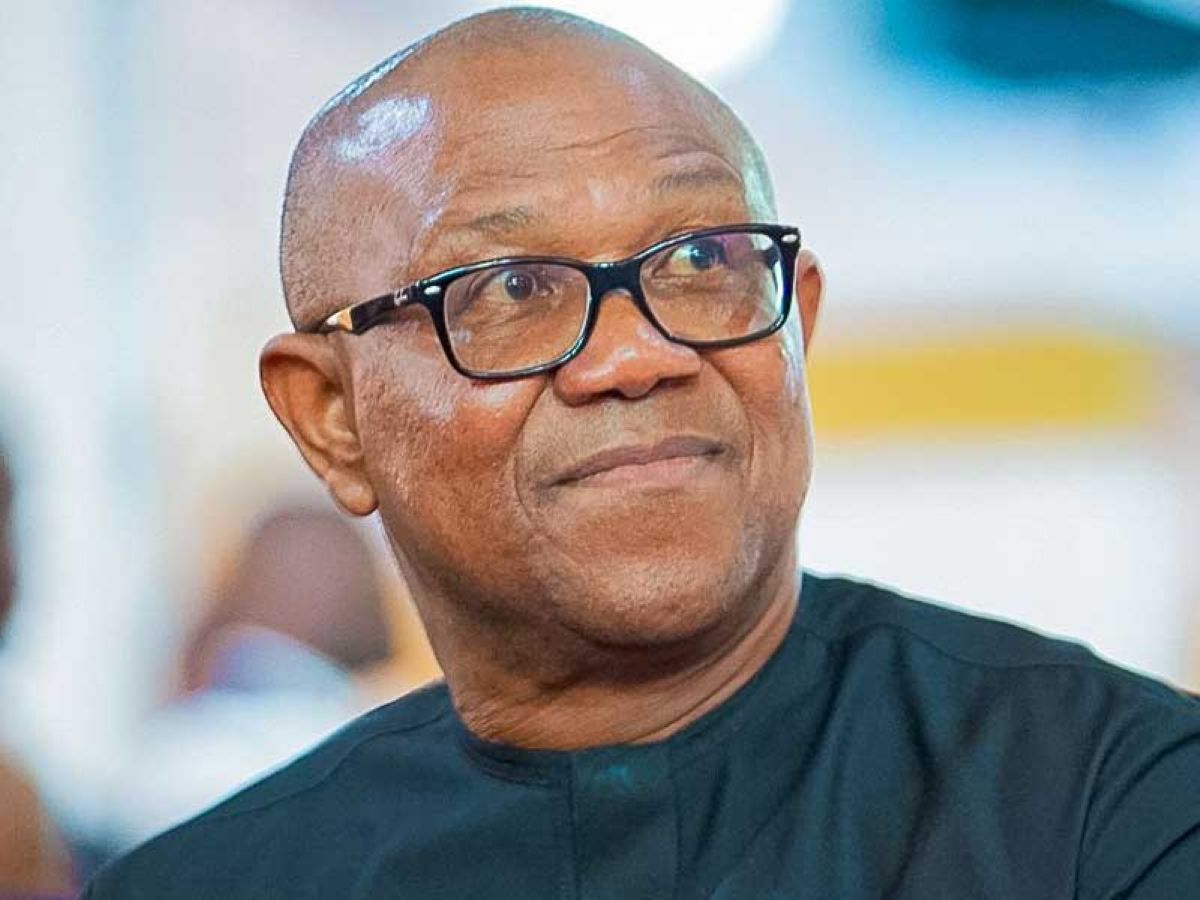

He lost the 2023 election. But Peter Obi has not gone away. He has remained on the national stage, speaking on governance, criticizing economic policies, and keeping his supporters engaged. Now, he is doing something else. He is meeting with foreign diplomats.
On Wednesday, the former presidential candidate of the Labour Party held a breakfast meeting in Abuja with the British High Commissioner to Nigeria, alongside diplomats from the European Union, Germany, Canada, and France. That is five countries plus the EU. Six foreign envoys in one room. With Peter Obi.
He disclosed the meeting in a post on X, describing it as “an enriching discussion on relationships.” The post was short. The details were absent. “Today in Abuja, I had a breakfast meeting with some diplomats that included the British High Commissioner to Nigeria and his colleagues from the European Union, Germany, Canada, and France. It was an enriching discussion on relationships.”
That is all he said.
What Was Actually Discussed?
The public does not know. DAILY POST reports that details of the talks were not made public. That is not accidental. When a major opposition figure meets with multiple Western diplomats and says nothing specific about what they discussed, it is because someone wants it that way.

The meeting is taking place against the backdrop of early political alignments ahead of Nigeria’s 2027 general election. That timing is impossible to ignore. Obi emerged as a major opposition figure in the 2023 election, shocking the political establishment by pulling significant votes and building a passionate, youth-driven movement. He has remained active in national discourse, particularly on governance and economic reforms.
Now, less than two years before the next election, he is breaking bread with the diplomatic corps of Nigeria’s most powerful Western allies.
What This Could Mean
There are several possible explanations for the meeting, and each one carries different implications.
The first is the simplest: Obi is maintaining relationships with foreign missions as part of his routine engagement as a former presidential candidate and ongoing public figure. Diplomats meet with opposition leaders in every democracy. It does not always signal something sinister or strategic.
The second is more interesting. Obi could be signaling to the international community that he intends to run again in 2027 and that he is seeking their engagement early. Foreign diplomats do not control Nigerian elections, but their perspectives matter. They shape investor confidence. They influence media narratives. They provide a channel for international observation and, when things go wrong, criticism.
The third possibility is the most provocative. Obi could be positioning himself as a bridge between Nigerian opposition politics and Western interests — a candidate who can be trusted to manage relationships with key allies if he were to win. That kind of positioning would be valuable in the quiet conversations that happen long before campaigns officially begin.
Why the Silence?
The most striking thing about Obi’s post is how little it says. “An enriching discussion on relationships” could mean anything. It could mean they discussed trade. It could mean they discussed security cooperation. It could mean they discussed Obi’s political future. Or it could mean they discussed the weather and the food.
By saying almost nothing, Obi has invited speculation. And speculation, in politics, is often the point. When a politician meets with powerful foreign envoys and keeps the details vague, the message is not about what was said. The message is that the meeting happened at all.
The Bottom Line
So why is Peter Obi meeting with six foreign envoys? The answer may shape 2027. He held a breakfast meeting in Abuja with the British High Commissioner and diplomats from the European Union, Germany, Canada, and France. He described it as “an enriching discussion on relationships.” He gave no further details.
The meeting comes amid growing interactions between Nigerian political actors and the international community, and against the backdrop of early political alignments ahead of 2027. Obi has remained active since his surprising 2023 run, particularly on governance and economic reforms.
What was actually discussed is unknown. But the fact that it happened — and that Obi chose to announce it without explaining it — is itself a political statement. In the quiet season before the campaign season begins, Peter Obi is reminding everyone that he still has the attention of the international community. What he does with that attention is a question that may not be answered until 2027.