The president of Wisconsin’s largest mosque says he was subjected to “dehumanizing” treatment during more than 80 days in federal immigration custody — treatment that reminded him of the time he spent in Israeli military prisons nearly four decades ago.
“It all brought back old memories of things that happened to me when I was tried in Palestine,” said Salah Sarsour in his first interview since being released last month. “The humiliation, the treatment by guards, the way they talk to people, the way they try to put people down.”
Sarsour, 53, was born in the West Bank and has been a US permanent resident for nearly three decades. He was detained by ICE in March and released after a federal judge found he had likely been detained in retaliation for his advocacy for Palestinian rights — a likelihood the judge said would render his detention unlawful.
The Trump administration is continuing to seek his deportation. US Secretary of State Marco Rubio personally signed off on a memo last year describing Sarsour as deportable because “his actions undermine US foreign policy to combat antisemitism around the world.”
The Arrest
On 30 March, Sarsour was on his way to see his elderly mother when he was surrounded by at least 10 unmarked vehicles and armed agents in civilian clothing. He was whisked away to a detention center near Chicago and later to a facility in Indiana.
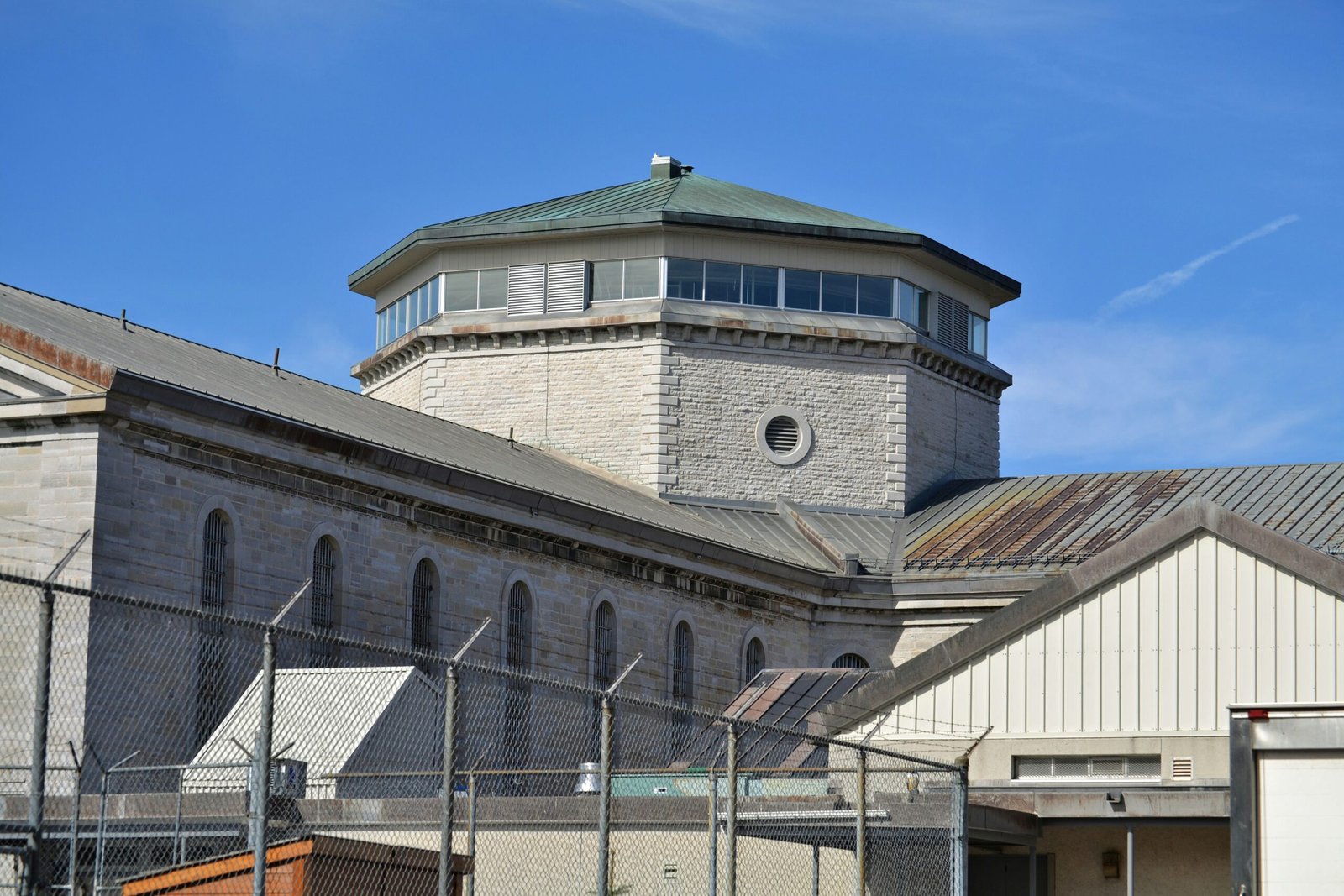
Sarsour, who is diabetic, said he was denied daily blood sugar checks. The food was so bad “you don’t know what you’re eating sometimes.” He slept on a 2-inch mattress with a thin blanket in a freezing room he shared with dozens of other men. He lost more than 30 pounds while in detention.
When he asked to congregate with other Muslim men for Friday prayers and to celebrate Eid, he was told he couldn’t.
The Government’s Case
The Department of Homeland Security claimed Sarsour was “suspected of funding terror organizations and lying on immigration forms.” He has denied both claims.
DHS cited Sarsour’s decades-old criminal convictions in Israel for, it said, “throwing a Molotov cocktail at the homes of Israeli armed forces and illegally attempting to possess weapons and ammunition.”
Sarsour says those accusations stem from an arrest as a teenager in 1989 during the first intifada. He also says he was forced, under torture and threat of rape, to sign documents in Hebrew without understanding them. He ultimately spent two years in an Israeli prison. He was again detained by Israeli authorities for nearly three months when he last visited Palestine in 1995.
According to court documents, the US government evaluated Sarsour’s arrests in Israel several times since 2000 while determining his eligibility for naturalization.
The Legal Fight
Sarsour is due in court in Chicago on Wednesday for the first substantive hearing in his immigration case. A separate case considering the legality of his detention is moving through the federal court system.
His attorneys have argued the government has fast-tracked his immigration case to make a political point. “They use the immigration court as a tool for their immigration enforcement policies,” said Samuel Cole, a former immigration judge and senior attorney at the ACLU of Illinois, which is representing Sarsour.
Cole added that Sarsour’s case echoes those of Mahmoud Khalil, Leqaa Kordia, and others detained over pro-Palestinian activism. Sarsour has legally lived in the US for decades and has no criminal record in the country.
A Broader Pattern
Sarsour’s detention drew condemnation from civil rights groups, community members, and legislators, as well as protests outside the detention center.
He believes his detention was a blatant attempt to intimidate people out of denouncing Israel’s actions in Gaza.
“They thought that by arresting me they would scare people fighting for justice for Palestinians, but it’s the opposite,” he said.
The Bottom Line
Salah Sarsour, president of Wisconsin’s largest mosque, was held for more than 80 days in ICE detention after being targeted for his advocacy for Palestinian rights. A federal judge found his detention was likely retaliation and therefore unlawful. The Trump administration is still seeking his deportation. Sarsour, a US permanent resident for nearly 30 years, has denied all charges and says he was tortured as a teenager in Israel. His case is part of a broader pattern of targeting pro-Palestinian activists.