

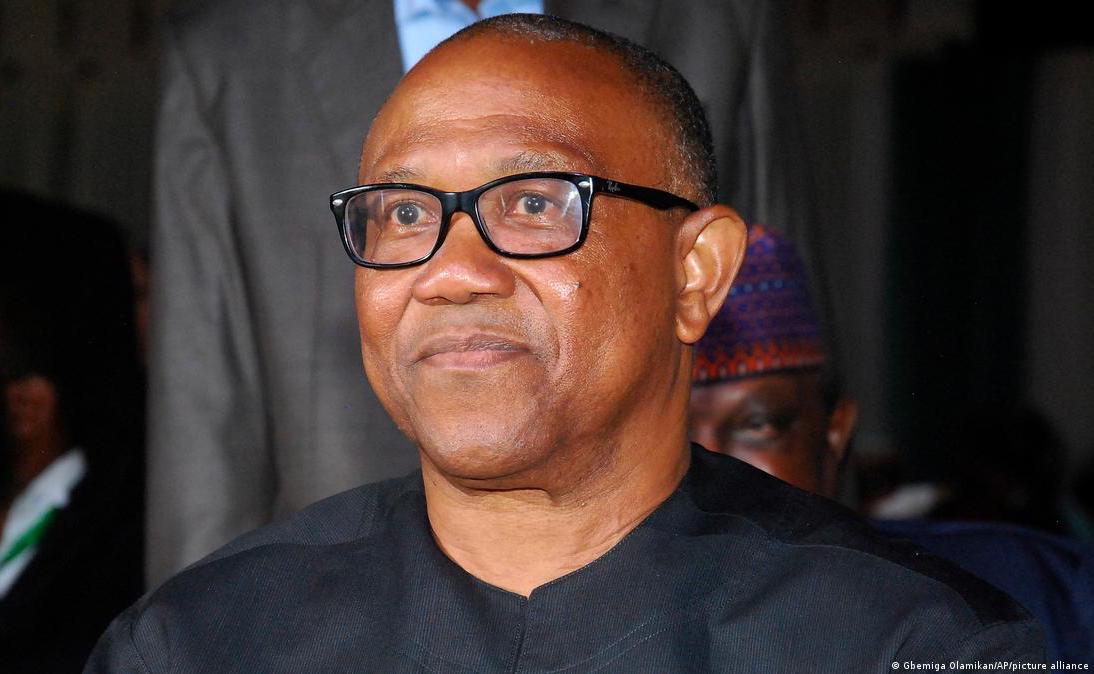
As the 2027 presidential election approaches, Nigerians are once again weighing the possibility of electing a leader who promises change. Peter Obi, the former Anambra State governor and 2023 Labour Party presidential candidate, has launched his latest appeal for national unity through what he calls “Operation Rescue Nigeria.” But the question on everyone’s mind is: can Obi truly deliver, and does he have the experience and vision to lead Africa’s most populous nation out of its persistent challenges?
Operation Rescue Nigeria: A Call to Action
Speaking at the OBIDIENT Conference in Uyo, Obi stressed that his project is not about personal ambition but the future of the country. He urged Nigerians to set aside political, ethnic, and religious differences to ensure a smooth and credible 2027 election.
“Nigeria must get it right in 2027. Election results must be transmitted online in real time, and whoever fails to transmit results will be held liable,” he told the gathering. “Democracy must work. I appeal to you to join hands with me to rescue this country.”
The initiative aims to mobilise citizens around reforms that prioritize transparency, education, healthcare, and anti-corruption measures. Obi’s call also highlights his determination to avoid the pitfalls of the 2023 election, claiming that interference by the Independent National Electoral Commission (INEC) and the federal government restricted his chances.
Questioning the Past: Has Obi Delivered Before?
Obi’s record as governor of Anambra State is often cited as evidence of his administrative capabilities. He claims that during his tenure, he upheld transparency in governance, avoided personal enrichment, and prioritized human capital development. He said:
“I approved over 100 Certificates of Occupancy of government lands, but have none for myself or my family. If you find any, petition me to the appropriate authority.”
Supporters point to reforms in education, health, and fiscal prudence as examples of his achievements. Critics, however, question whether these initiatives were truly transformative or merely incremental improvements limited to a single state. Nigeria faces complex challenges, including security, corruption, unemployment, and debt, that may require more than proven competence at the state level. Can state-level governance experience scale effectively to the national stage?
Debt and Economic Warnings
Obi has been vocal about Nigeria’s growing debt burden, claiming that the current administration has taken on more loans than previous governments, leaving young Nigerians to pay for decades. His economic warnings resonate with a population frustrated bythe rising cost of living and persistent unemployment.
Yet, skeptics ask: Does Obi have a concrete plan to manage national debt without stifling growth? And how will he balance fiscal responsibility with urgent demands for healthcare, education, and infrastructure? These questions remain central to assessing his readiness for the presidency.
Fighting Corruption: Promises vs. Practice
Anti-corruption is a central pillar of Obi’s campaign. He cites personal examples, like refusing perks for his family, to demonstrate integrity. However, Nigeria’s corruption challenges are systemic, deeply embedded across federal and state institutions. Critics argue that moral integrity alone may not be enough to dismantle entrenched networks of patronage and influence.
The Road Ahead: Mobilisation and Unity
Obi’s strategy for 2027 relies heavily on citizen engagement. He has pledged to tour the nation, including universities and local communities, to understand citizens’ problems firsthand. His supporters, coordinated under the OBIDIENT Movement, are urged to unite behind the African Democratic Congress as the platform for transformation.
“The 2027 presidential election is not about an individual but about a generation, jobs for the youths, security for our families, dignity for workers and hope for every Nigerian,” said Dr. Ben Smith, Akwa Ibom State coordinator of the OBIDIENT Movement.
Can He Deliver?
Peter Obi’s record, promises, and vision provide a mix of hope and uncertainty. While his past governance shows a commitment to transparency and education, the challenges of running a nation as complex as Nigeria are far greater. Nigerians will have to weigh whether his personal integrity, policy proposals, and grassroots mobilization efforts can translate into national transformation.
Ultimately, the question is not just if Obi can lead, but if he can turn decades of systemic challenges into actionable change, before 2027 becomes another missed opportunity.