
The United Arab Emirates has quietly signaled it will join a multinational maritime task force to break Iran’s chokehold on the Strait of Hormuz, becoming the 22nd nation to commit warships to what is shaping up to be the largest naval coalition since the Gulf War.
The decision, reported Friday by the Financial Times, comes as Iran’s near-total blockade of the waterway — through which 20% of the world’s oil and liquefied natural gas normally flows — enters its fifth week, sending energy prices above $100 a barrel and fueling inflation fears across the globe.
The UAE, which has absorbed more Iranian missile and drone attacks than any other country in the region, is also pushing to create a “Hormuz Security Force” and working with Bahrain on a United Nations Security Council resolution to provide a mandate for the coalition, according to officials familiar with the discussions.
The Coalition Takes Shape
Twenty-two countries have now signed on to the task force, including the United States, United Kingdom, France, Germany, Italy, Japan, Canada, Australia, and now the UAE. France confirmed Thursday it had held talks with about 35 countries seeking partners for a mission to reopen the strait.
But there is a catch: France and several other allies say they will only deploy once the U.S.-Israeli war on Iran ends.
The Trump administration has pressed NATO allies to send warships, but Australia and Japan have refused, and European nations have been reluctant to escalate while fighting continues on multiple fronts. The UAE’s entry shifts the balance, adding a regional power with both the military capacity and the strategic imperative to act.
The UN Gambit
With backing from the UAE, Bahrain has circulated a draft Security Council resolution that would authorize member states to use “all necessary means” to secure the strait — language that would permit military force against Iranian vessels and shore batteries that have effectively sealed the waterway.
The resolution faces opposition from China and Russia, who have consistently shielded Iran from international pressure throughout the war. But with the UAE now openly backing the effort, and with global oil prices straining economies from Tokyo to Berlin, the diplomatic calculus may be shifting.
Why the UAE Is Stepping Up
The UAE’s calculation is brutally simple: Iran has attacked its ports, its tankers, and its economic lifeline. The Strait is not just a global chokepoint; it is the artery of Emirati prosperity.
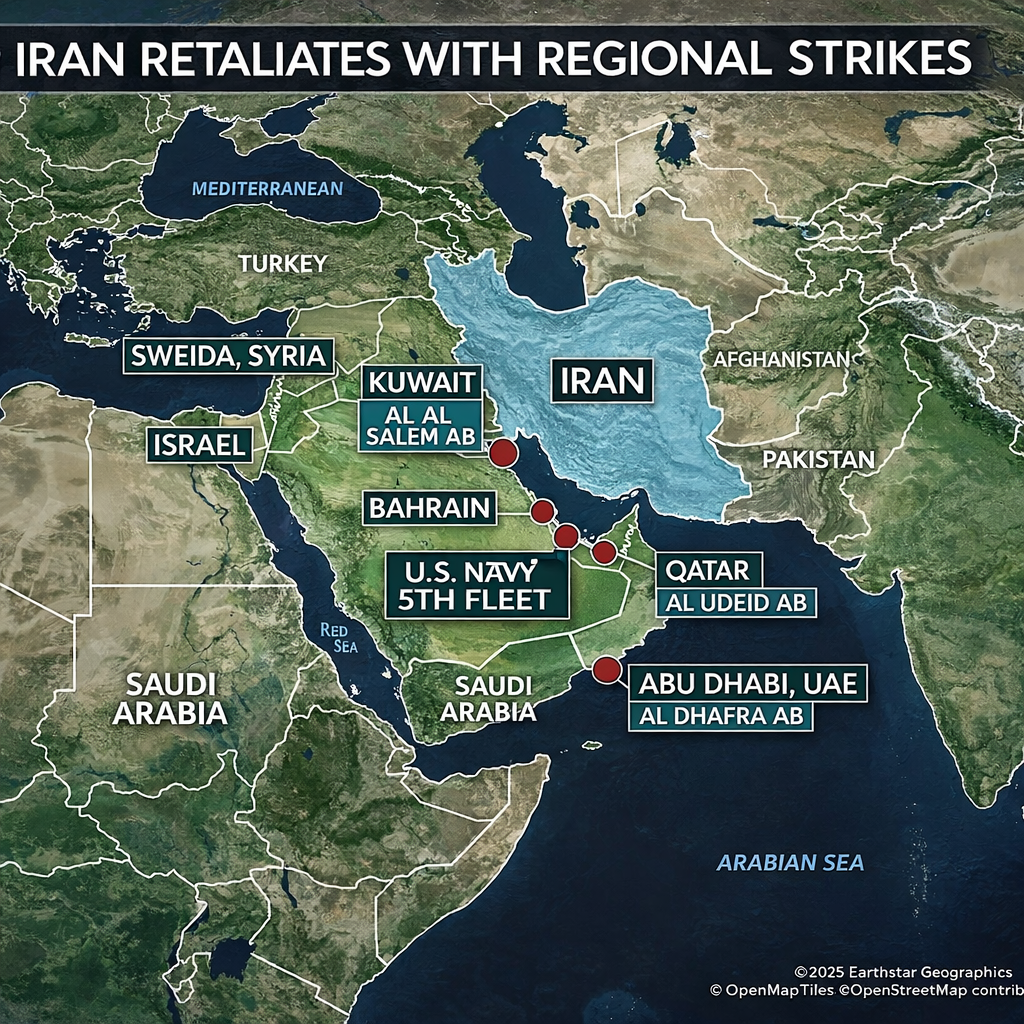
Iran has repeatedly struck the Emirati port of Fujairah, located outside the Gulf, which serves as a critical loading point for oil exports that bypass the Strait of Hormuz. Those attacks have escalated since the war began, targeting both infrastructure and shipping.
“Iran must not be allowed to hold the global economy hostage by its rogue state behaviour,” UAE Minister of State Lana Nusseibeh said in a recent statement.
The Iranian Response
Iran has not yet formally responded to the UAE’s announcement, but its posture has been consistent. In a statement earlier this week, the IRGC called on Gulf states to “stop accommodating the American and Israeli aggressors” and warned that “any military presence in the Strait of Hormuz will be met with decisive action.”
The IRGC Navy, now under new leadership after the killing of its commander Alireza Tangsiri, has continued to enforce the blockade with speedboats, mines, and shore-based anti-ship missiles. The strait remains effectively closed.
What Comes Next
The coalition faces a daunting task. Even with 22 nations committed, the strait is narrow, heavily defended, and littered with mines. A military operation to clear it would be complex, dangerous, and potentially escalatory.
But for the UAE and other Gulf states, the calculus is simple: the strait is closed, their economies are bleeding, and waiting for the war to end is not a strategy.
The question now is whether the coalition can act before Iran’s blockade does permanent damage to the global economy—and whether Russia and China will allow the Security Council to authorize it.
For now, 22 nations have said they are ready. The UAE has joined. The strait remains closed. And the world waits.