A growing health crisis is emerging among the men and women who rushed to Ground Zero, as the heavy dementia toll on 9/11 responders exposes a critical flaw in federal healthcare coverage. Twenty-five years after the attacks, thousands of rescue and recovery workers are showing signs of cognitive decline and early-onset dementia linked directly to the toxic dust and chemicals they inhaled at the site. Despite medical consensus and mounting scientific evidence, the World Trade Center Health Program continues to deny coverage for dementia treatments, leaving aging heroes and their families to handle overwhelming medical expenses on their own.
Ground Zero Toxins and the Dementia Toll on 9/11 Responders
When the World Trade Center Health Program was launched in 2011, it established free healthcare monitoring and treatments for conditions explicitly linked to exposure at Ground Zero. While the federal system covers cancers, respiratory illnesses, and post-traumatic stress disorder, neurological conditions were left off the list. Recent medical studies have revealed how severe the situation has become:
High Risk Rates: Responders exposed to high levels of toxic particulate matter at Ground Zero are developing early-onset dementia at significantly higher rates than the general public.
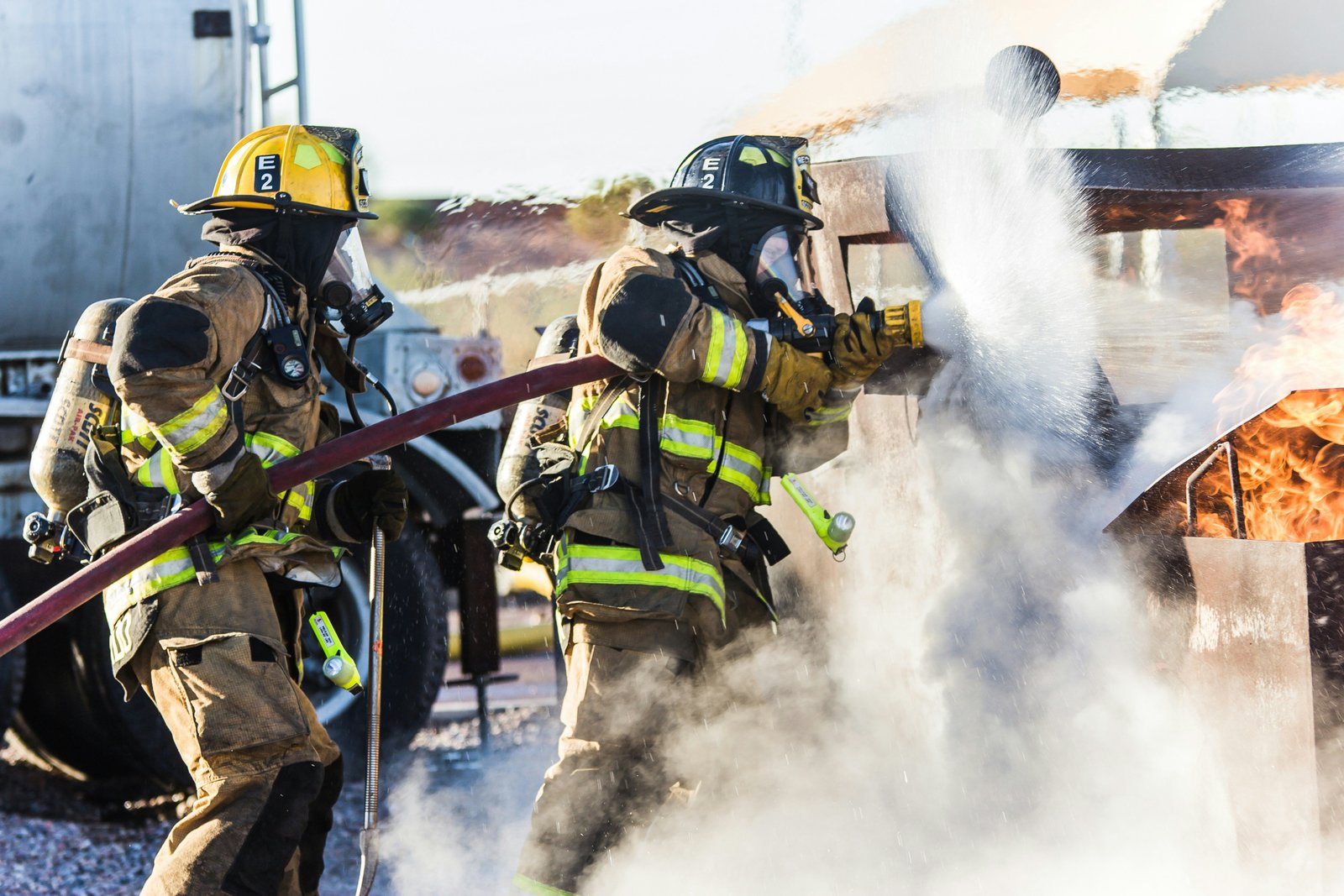
Severe Financial Burden: Families caring for former firefighters, police officers, and volunteers are forced to pay out-of-pocket for specialized memory care facilities, long-term nursing, and daily home assistance.
Medical Advocacy Push: Neurology experts, medical researchers, and survivor advocacy groups are actively petitioning federal health agencies to update the official list of certified conditions.
Doctors warn that because neurodegenerative diseases take years or decades to fully manifest, the number of affected responders will likely spike over the next few years.
Fighting for Federal Healthcare Recognition
The push to expand coverage centers on basic fairness for those who sacrificed their long-term health in service to the nation. The Centers for Disease Control and Prevention (CDC) and program administrators require extensive scientific validation before adding new illnesses to the approved coverage registry. However, advocates point out that delaying coverage forces vulnerable families into financial hardship at the exact moment they need assistance most.
My Take
Looking at the heavy dementia toll on 9/11 responders, it is frustrating to see the very people who risked everything being forced to battle federal bureaucracy for basic medical care.
When firefighters, police officers, and volunteers ran into the toxic dust clouds at Ground Zero, nobody stopped to ask what toxins were in the air or what the long-term health consequences might be. They simply did their jobs. It is completely unreasonable that twenty-five years later, federal healthcare programs are drawing arbitrary lines between a physical injury, a cancer diagnosis, and a brain condition caused by the exact same toxic exposure.
Dementia is a devastating diagnosis that drains a family’s emotional and financial resources. Expecting aging responders and their spouses to pay tens of thousands of dollars out-of-pocket for specialized memory care, while the federal government claims to cover 9/11-related illnesses, is a failure of oversight. Science has made it clear that breathing pulverized glass, jet fuel, and heavy metals causes long-term neurological damage.
Federal administrators should act quickly to cut through the red tape, update the World Trade Center Health Program’s covered conditions list, and ensure that every responder receives the comprehensive care they earned.
Bottom Line
Addressing the rising dementia toll on 9/11 responders requires immediate action from federal health officials. Expanding coverage to include cognitive disorders is a necessary step toward keeping the nation’s promise to those who served when it needed them most.