Canada’s Immigration, Refugees and Citizenship Department has allowed a temporary relief policy to lapse, as Canada ends PR exemption for undeclared refugee families seeking to sponsor immediate dependents. Under standard immigration rules, permanent residents are permanently barred from sponsoring family members who were not declared on their initial applications. The expired policy, first introduced seven years ago, had granted a targeted exception for resettled refugees and protected persons who failed to disclose partners or children during their initial processing. With the policy’s expiration, affected individuals must now pursue sponsorship through formal humanitarian and compassionate exemption applications instead.
Why Canada Ends PR Exemption For Undeclared Refugee Families
The pilot initiative was originally introduced to address significant gaps in refugee processing and reunite separated families. Advocates and legal scholars pointed out that refugees often omit dependents on initial paperwork due to safety concerns, trauma, administrative confusion, or because they believed missing relatives were deceased.
Implemented in 2019 and renewed in September 2023, the temporary policy permitted refugees to sponsor non-declared family members without triggering automatic lifetime sponsorship bans. Internal department memos from its previous extension showed that roughly 2,000 applications were processed under the measure, with officials assessing a “minimal risk” to immigration program integrity.
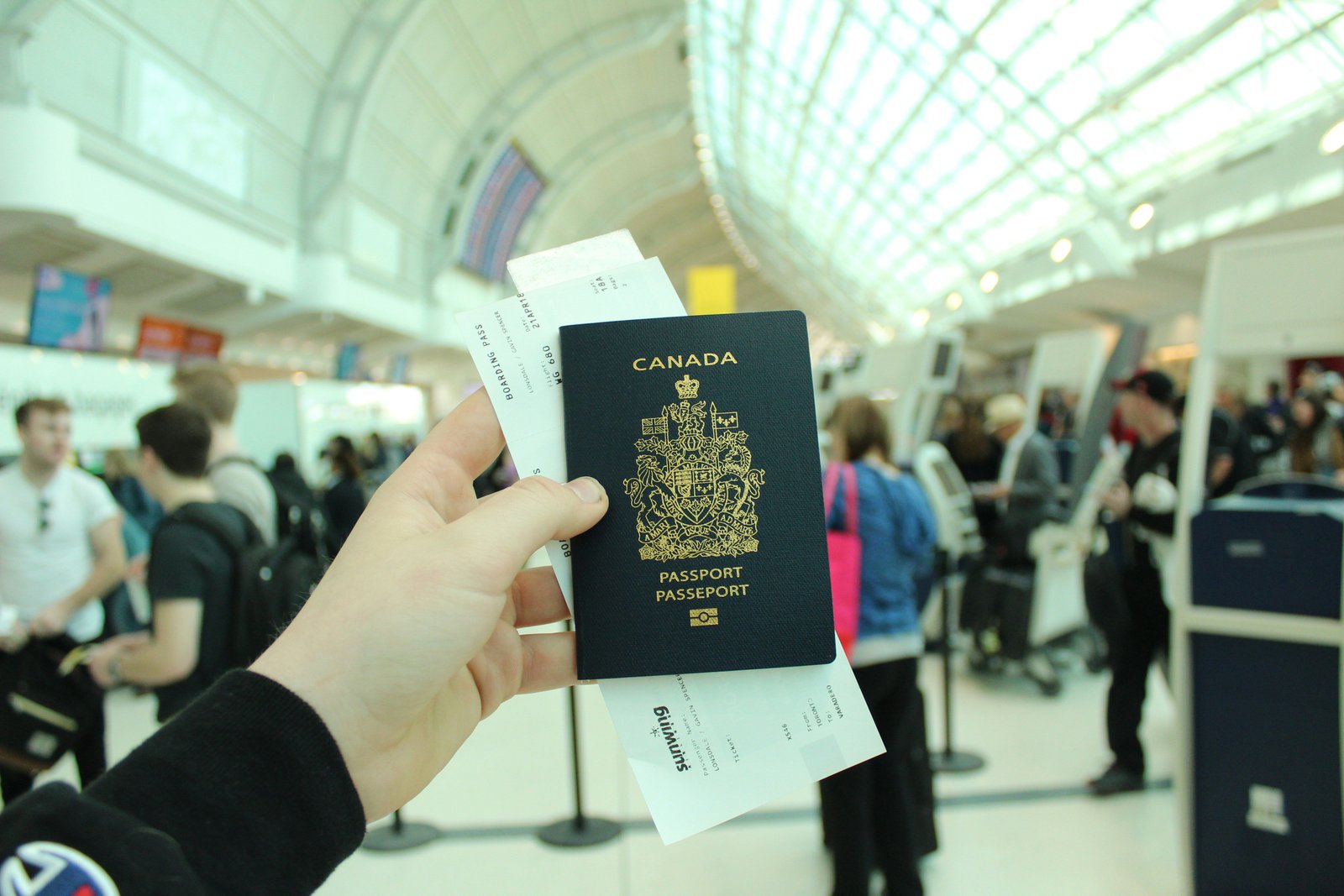
Following the expiration, Immigration, Refugees and Citizenship Canada (IRCC) stated that refugees seeking to sponsor previously undeclared relatives must now request individual exemptions on humanitarian and compassionate (H&C) grounds. Refugee advocacy groups have voiced concern over the decision, noting that discretionary humanitarian applications carry significantly longer processing times, higher legal costs, and lower approval guarantees than the expired stream.
Operational Impact on Refugee Family Reunification
Ending the automatic exemption returns Canadian immigration enforcement to a stricter interpretation of disclosure rules. While IRCC maintains that discretionary avenues remain open, advocates caution that the change creates renewed barriers for vulnerable families attempting to reunite after escaping conflict zones.
My Take
As Canada ends PR exemption for undeclared refugee families, the shift away from a streamlined policy toward discretionary case-by-case reviews represents an unnecessary obstacle for vulnerable households.
Refugees fleeing war, political persecution, or humanitarian crises rarely complete paperwork under ideal conditions. Expecting trauma-impacted individuals to perfectly navigate complex paperwork, often while hiding from hostile regimes or operating without legal aid, ignores the chaos of displacement. The 2019 exemption provided a practical, humane remedy for parents who later discovered lost children were alive or who had added family members while in transit.
Forcing these families into the overburdened Humanitarian and Compassionate (H&C) process adds months, if not years, of delays to an already backlogged immigration system. Given that government assessments themselves noted the program posed “minimal risk” to system integrity, quietly letting the policy expire leaves families stranded in legal limbo without providing a clear public justification.
Bottom Line
The decision as Canada ends PR exemption for undeclared refugee families marks a change in immigration administration. Restoring clear, accessible family reunification pathways remains essential to maintaining Canada’s humanitarian commitments on the global stage