
Three months after a catastrophic fire killed 168 people and destroyed seven residential towers, the Hong Kong government announced Saturday it will spend HK$6.8 billion (US$870 million) to buy back all 1,700 affected flats—an unprecedented intervention officials say is necessary because the homes would otherwise be “worthless.”
Deputy Financial Secretary Michael Wong, head of the government’s emergency task force, said the buyout offers range from HK$8,000 to HK$10,500 per square foot, depending on whether the flat’s land premium has been paid. Residents can accept cash or opt for a flat-for-flat exchange at other subsidized housing estates.
“We believe the proposed price is sufficient for the affected residents to relocate and secure long-term housing,” Wong told a media briefing.
‘No Effective Market Mechanism’
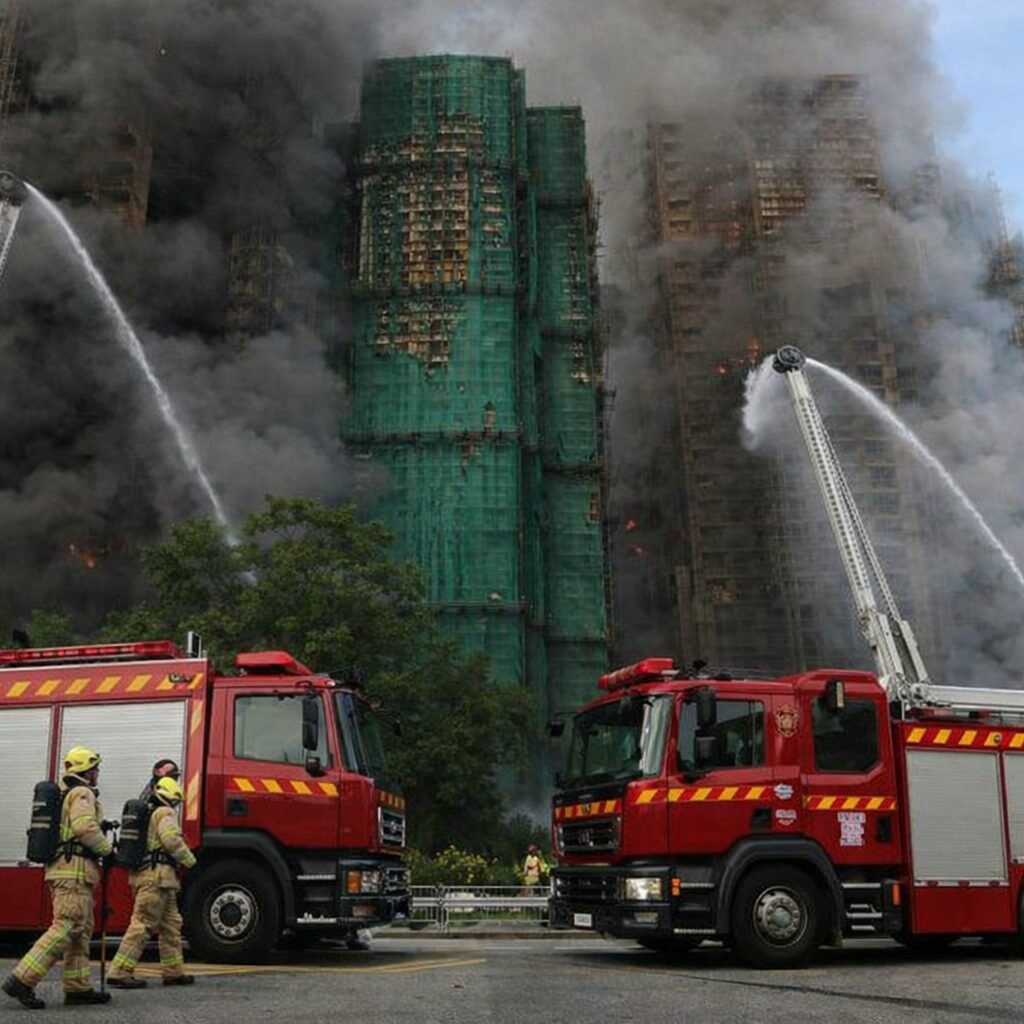
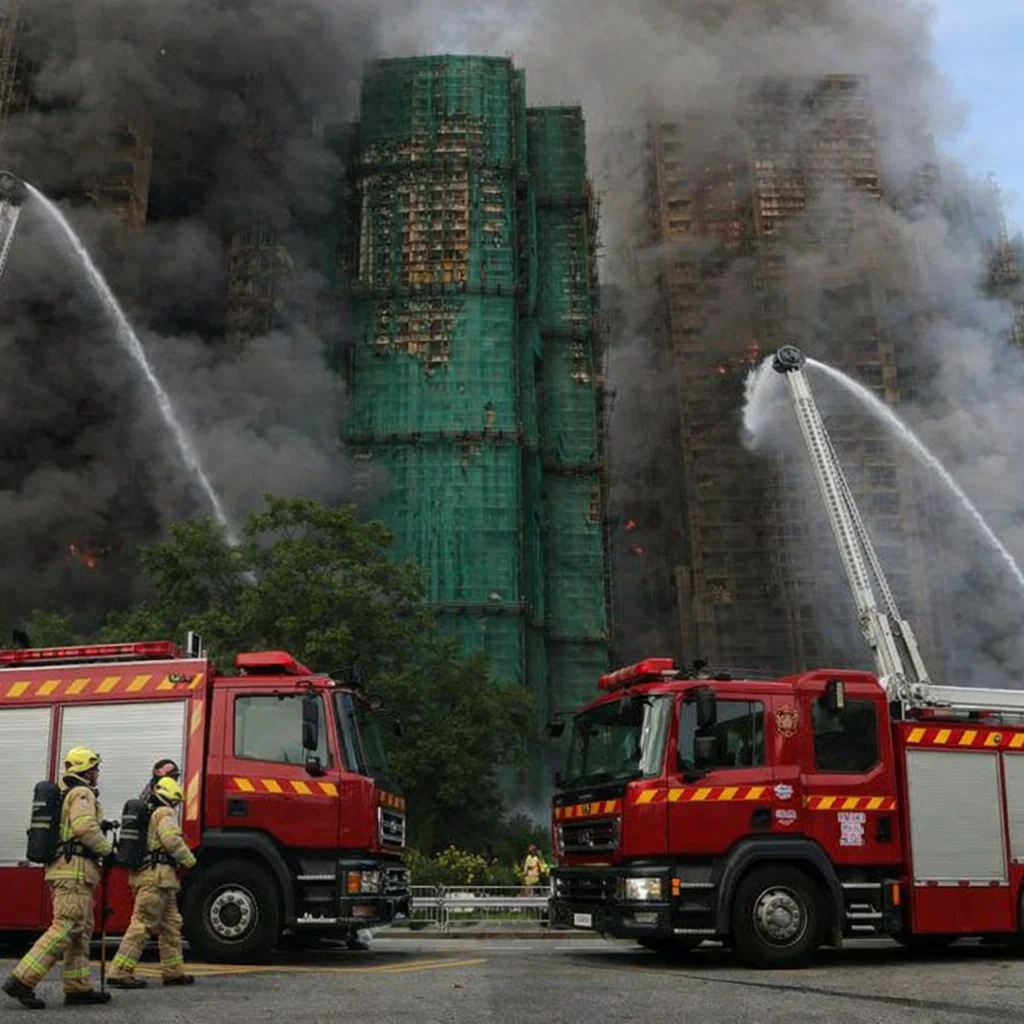
The November 26 fire at Wang Fuk Court in Tai Po was the world’s deadliest residential building blaze since 1980 and Hong Kong’s worst since a 1948 warehouse fire killed 176. The seven 31-story blocks were engulfed after flames spread rapidly through bamboo scaffolding and highly flammable foam panels used in renovations.
Wong acknowledged that without government intervention, homeowners would have no way to sell their properties.
“At this moment, there’s no effective market mechanism that can help the affected residents. If the government doesn’t intervene in a strong manner, it’d be hard for homeowners to find buyers for the Wang Fuk Court flats,” he said.
He warned that if the government did not step in, “it is highly likely that all the money that the residents had invested in the flats would completely go to waste”.
The Numbers
The buyout’s total cost is estimated at HK$6.8 billion. Of that, HK$2.8 billion will come from a relief fund established with public donations following the fire, with the remaining HK$4 billion drawn from public coffers.
The offers break down as:
· HK$8,000 per square foot for units without paid land premium
· HK$10,500 per square foot for units with paid land premium
Individual flat owners will receive between HK$441,000 and HK$650,000, depending on their unit’s size, according to ABC News.
Residents who prefer not to take cash can exchange their destroyed flats for units at other subsidized housing estates. The fastest option will be at a Kowloon Bay estate, where residents can move by year’s end.
What Residents Think
A government questionnaire sent to affected residents found 74% support for the acquisition offer, with most wanting a quick resolution. Only 9% of flat owners insisted on on-site redevelopment as their only option.
Wong emphasized that the plan is not mandatory. Homeowners who refuse the buyout can keep their properties, but he urged them to “have a serious think” about the government’s offer.
The deadline for decisions is August 31, 2026, unless exceptional circumstances like inheritance issues require extensions. The government hopes to sign provisional agreements by May or June, with payments expected in the third quarter of 2026.
No Rebuilding
For residents hoping to return to their old neighborhood, there is disappointing news: the seven destroyed blocks will be demolished and not rebuilt for housing.
Wong said the government is “inclined towards demolishing the seven blocks hit by the fire after acquisition, out of safety concerns”. The site will be repurposed for a park or other community facilities.
The eighth block, Wang Chi House, which was not affected by the blaze, is excluded from the buyout plan unless a majority of its owners request inclusion.
‘Not a Precedent’
Wong stressed that this is a “one-off solution” for an “unprecedented” disaster and will not set a precedent for future incidents.
The November fire started around 2:50 p.m. in one tower and spread rapidly to six adjacent buildings before being fully extinguished 43 hours later. Investigators found that bamboo scaffolding covered with highly flammable foam panels—used to seal windows during renovations—fueled the blaze’s spread.
Police arrested three executives from Prestige Construction, the renovation contractor, on suspicion of manslaughter shortly after the fire. Hong Kong’s anti-corruption agency later arrested additional individuals, including an engineering consultant and a scaffolding subcontractor.
What Happens Next
The government will now work with homeowners to complete acquisitions. The 4,600 displaced residents currently in temporary shelters and hotels face a long road to permanent housing, but officials believe the buyout offers a path forward.
“This is a special case of an exceptional nature,” Wong said . “We hope that by May or June, the owners who are prepared to accept the arrangement will be able to sign provisional agreements with the government.”
For the families of 168 victims, no buyout can undo the loss. But for survivors who lost everything in a single night, the government’s unprecedented intervention offers something they desperately need: a way forward.