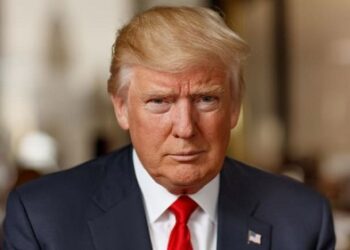
President Donald Trump is intensifying pressure on Cuba as his administration pursues a more aggressive approach toward the communist-led nation, raising concerns over the possibility of deeper military and political confrontation.
The latest development came after US authorities announced charges against former Cuban leader Raúl Castro, accusing him of murder and conspiracy linked to the 1996 downing of civilian aircraft that killed four people, including three Americans.
The indictment, announced on Cuban Independence Day, marks a major escalation in Washington’s long-running conflict with Havana. It also comes amid an expanding US oil blockade, increasing diplomatic pressure and reported demands delivered by CIA Director John Ratcliffe during a recent visit to Cuba.
Trump has repeatedly threatened stronger action against Cuba in recent weeks, claiming the US could take sweeping measures if necessary.
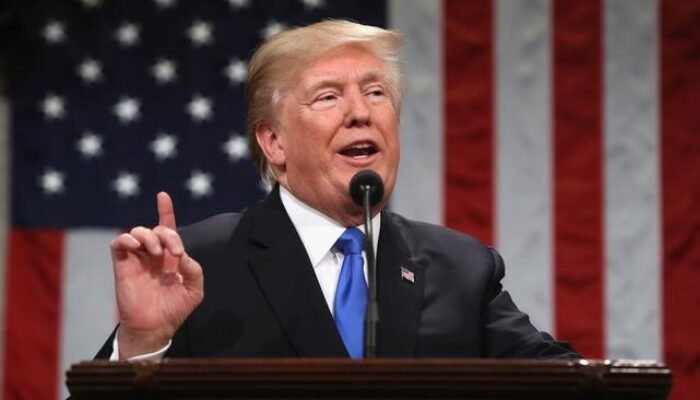
“It’s a failing nation. You see that. It’s falling apart. They have no oil, they have no money,” Trump told reporters. “But we’re there to help — we’re there to help the families, the people.”
Analysts say the indictment could serve multiple purposes, including increasing internal pressure on the Cuban government or potentially laying the groundwork for future military or covert operations.
Lee Schlenker, a research associate at the Quincy Institute for Responsible Statecraft, warned that the move could instead strengthen support for the Cuban leadership.
“I think this is going to be a death sentence for any potential deal with Cuba,” Schlenker said.
“This is going to produce a rally-around-the-flag effect and harden the Cuban leadership siege mentality,” he added.
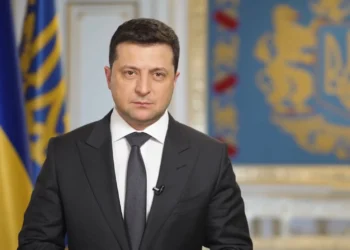
Cuban President Miguel Díaz-Canel condemned the indictment, describing it as politically motivated and accusing the US government of acting out of “arrogance and frustration.”
Although there is currently no major US military buildup near Cuba, reports indicate an increase in US intelligence flights around the island, similar to surveillance activity seen before previous operations involving Venezuela and Iran.
The tougher approach toward Cuba comes at a politically sensitive time for Trump, whose approval ratings have reportedly fallen following the ongoing conflict involving Iran. Several polls also suggest many Americans oppose further military engagements abroad.
Democratic Senator Ruben Gallego criticised the administration’s approach last month, warning against another foreign conflict.
“The American people are not asking for another war. They want us focused on building housing in Arizona – not bombing housing in Havana,” Gallego said.
“They want us to lower the cost of healthcare – not condemn a generation of veterans to a lifetime of hospital visits. They want us to make their lives more affordable – not spend their tax dollars on unnecessary wars.”
Experts also caution that any military operation in Cuba could prove costly despite the country’s ageing military infrastructure.
Schlenker said Cuba’s longstanding defensive strategy could lead to significant casualties in the event of foreign intervention.
“That would cause US casualties that would also lead to dozens, if not hundreds, of Cuban civilians and security forces dying,” he said.
“We really wouldn’t see a wholesale transformation of the Cuban government. If anything, we would see increased repression, very little progress towards moving towards democracy and a free market.”
Meanwhile, the tightening US blockade on Cuban oil imports has worsened economic hardship on the island, sparking humanitarian concerns.
United Nations experts warned earlier this year that sanctions and oil restrictions were threatening access to electricity, healthcare, food distribution and water systems.
However, Secretary of State Marco Rubio blamed Cuba’s leadership for the country’s worsening conditions.
“The real reason you don’t have electricity, fuel, or food is because those who control your country have plundered billions of dollars,” Rubio said in a video message to Cubans.
He added that “nothing has been used to help the people.”