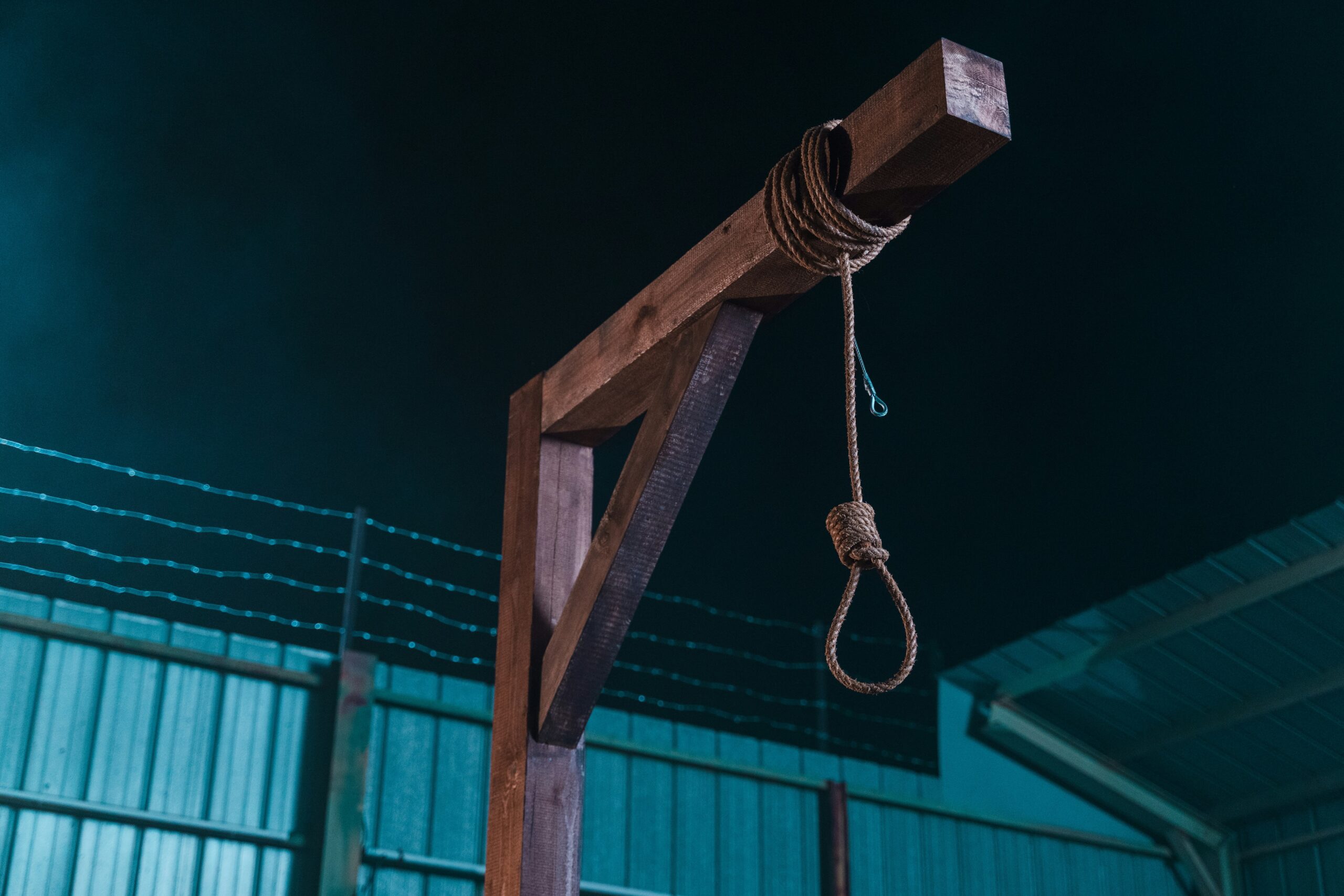

Nigeria is again facing a hard debate as the country moves toward a stronger punishment system for kidnapping. Many people are scared, angry, and tired, and they see the new push for executions as a sign that the nation has reached a breaking point. Conversations around the New Anti-Kidnap Bill show how deep the frustration has grown. The bill did not come out of nowhere; it came from years of pain, ransom payments, missing children, destroyed families, and leaders who allowed the problem to spread like a virus.
What the Senate Is Trying To Do
Lawmakers now want to classify kidnapping as terrorism. The idea is simple: Nigeria has lost control, and they want maximum force. Under the new proposal, anyone who kidnaps, plans a kidnapping, finances it, provides a hideout, gives information, passes along a phone number, or even moves money for a kidnapping group will face the same penalty. Their reason is that kidnapping has become a business, one that feeds militias, destroys farms, blocks trade, and steals childhood from children in every region.
For years, the country has cried for action. People have been taken from highways, schools, churches, farms, and even hospitals. The Senate says this bill will give security agencies stronger tools to hunt down groups that operate like cartels. They believe only a harsh approach can stop the rise in abductions.

Why People Are Demanding This
Nigerians are no longer shocked by bad news. That is the real tragedy. Many now wake up expecting another abduction somewhere. Families who once lived normal lives now sleep with one ear open. Children no longer walk freely. Young girls have suffered abuse, women have become widows, and men have disappeared forever.
Across the country, whole communities are traumatized. Some states have shut schools. Some farmers have abandoned fertile land. Some families have sold everything to pay ransom, only to bury their loved ones later. The anger is real, and people want a punishment that matches the pain.
The Harsh Questions Nobody Wants To Ask
Supporters of the bill want fairness. If Nigeria truly wants to execute people for kidnapping, then the law must apply to everyone involved, including the powerful men and women who protect criminals behind closed doors. People in security agencies who leak information, politicians who take money from kidnappers, traditional rulers who shield criminals, and officers who rent out guns should face the same treatment. Many Nigerians fear that only poor suspects will face the execution line while big players in government escape. If the country wants justice, it must be justice without class, tribe, or uniform.
It is easy to say that death will scare criminals. But Nigeria’s insecurity is not just about fear. It is about corruption, weak intelligence, politics, poverty, mistrust, and a security system that is leaking from the inside. Violence has many roots, and punishment alone cannot clean them up. If the state cannot protect witnesses, track finances, control arms, or punish bad officers, then even the strongest bill will shake but not stand.
But at the same time, some Nigerians believe the country has reached a point where soft measures no longer work. People are tired of arrests that lead nowhere, detentions that end with release, and criminal networks that grow faster than government action. To them, the New Anti-Kidnap Bill: Will Executions Save Nigeria or Break It? is a necessary shock to a system that no longer responds to gentle solutions.
What Must Change Beyond Punishment
For real progress, Nigeria must repair its security channels. Officers need better training, better pay, and better systems that track insider betrayal. Communities must trust the authorities again. Financial institutions must stop enabling ransom flows. States must rebuild local security structures that actually understand their terrain. And above all, leaders must stop pretending the problem is new; it has been growing for over a decade.
Kidnapping became a national crisis because nobody stopped it early. Now the country is trying to fight a forest fire with a bucket. That is why this bill feels like both a bold step and a desperate one.
A Final Thought
The country has reached a dangerous place. People want justice, safety, and dignity. They want their children back in school and their farms free again. They want to live without fear. Whether executions will stop kidnapping or push Nigeria into another kind of problem is still unknown. But one thing is clear: whatever decision the country makes must be honest, fair, and complete. If the law goes after kidnappers, then everyone who supports them, no matter how influential, must go down with them.