
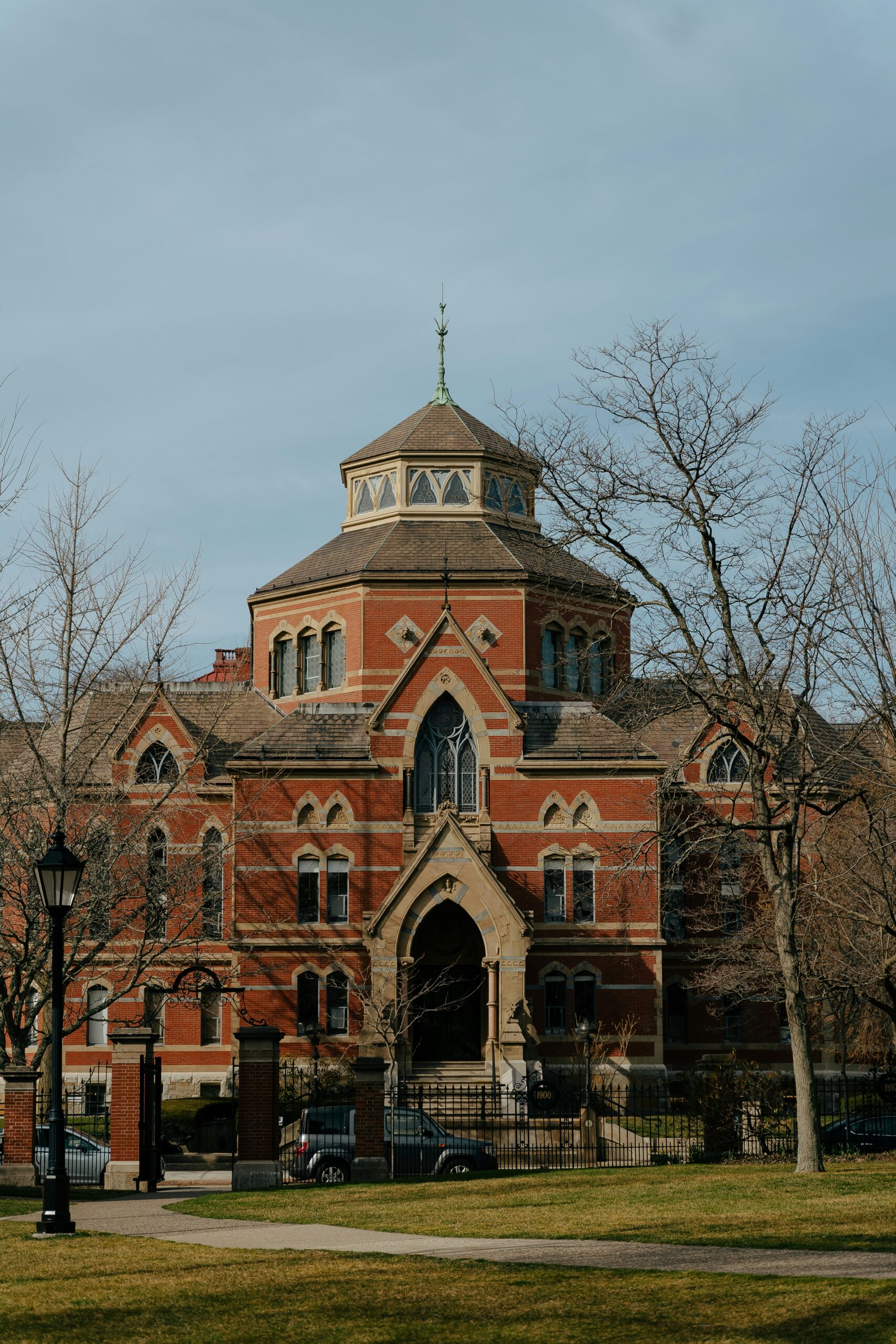
What happened at Brown University is a stark reminder that even the most prestigious institutions are not immune to violence. A quiet day of exams turned into chaos as gunshots rang through classrooms, sending students scrambling for cover. This is supposed to be a safe place for learning, yet the bloodshed exposed vulnerabilities that no Ivy League ranking can protect against.
The fear was real, immediate, and universal. Students hid under desks for hours. Parents panicked. The city of Providence mobilized hundreds of law enforcement officers. The sense of safety that the word “Ivy League” once promised evaporated in moments.
The Scope of Violence
Two students lost their lives, and nine others were injured, some critically. This kind of mass shooting, while sadly common in some parts of the U.S., remains jarring when it happens in a place meant to nurture the future leaders of the country.
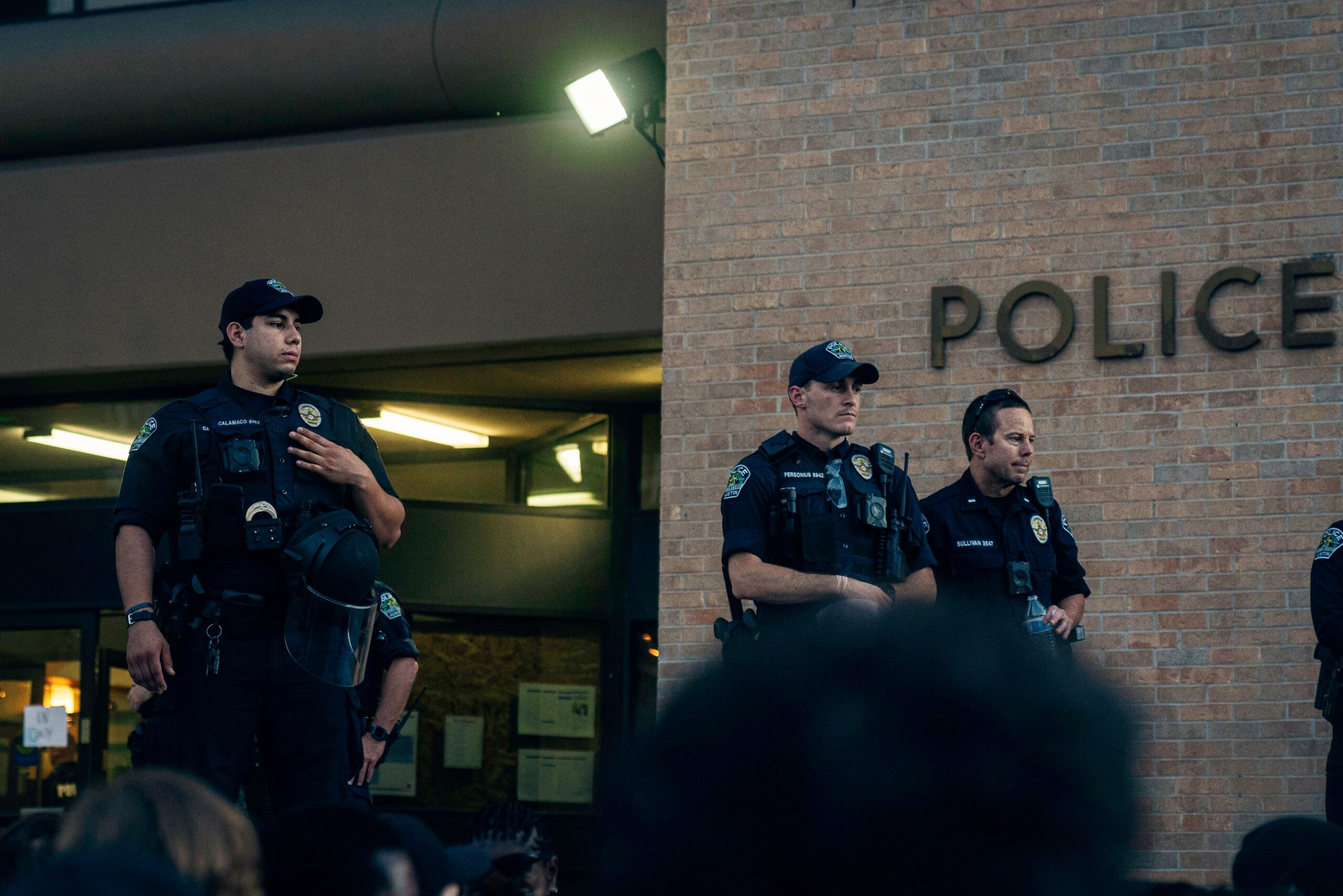
Authorities are keeping many details under wraps, but the scale of the emergency response, over 400 law enforcement personnel, shows just how serious the threat was. Streets were blocked, parts of campus closed, and residents had to endure an intense police presence as investigators worked tirelessly.
Lessons on Preparedness
Events like this force a hard conversation about preparedness, safety, and institutional responsibility. How can colleges balance openness with security? How can students focus on learning when fear can intrude at any moment?
Brown’s response, shelter-in-place orders, immediate lockdowns, and coordinated law enforcement activity prevented the loss from being even higher. Yet, as comforting as these measures are, they are reactive rather than preventive.
The Bigger Picture
Looking beyond the immediate tragedy, the shooting shows a national problem. The U.S. continues to grapple with gun violence, with mass shootings in schools and public spaces occurring at alarming rates. Even elite institutions with significant resources are not immune.
Communities, universities, and policymakers need to confront these realities honestly. Preparing for emergencies is critical, but broader solutions are needed to prevent them from happening in the first place.
Emotional Fallout
Students, faculty, and residents will remember this day for a long time. Trauma lingers beyond the hospital visits and media coverage. Counseling and mental health support will be essential for healing. Survivors may question the sense of security they once took for granted, and the shadow of fear may remain even after the immediate threat has passed.
Bottom Line
Brown University’s campus, a symbol of education and tradition, was shattered by violence. It is a painful lesson: no place is completely safe. The Ivy League reputation may inspire confidence, but reality is far more complex. Institutions must reassess security, communities must confront the risks of gun culture, and students must process the trauma left in the wake of a single, devastating day.
What remains clear is that courage, quick thinking, and solidarity made a difference when chaos struck. But beyond heroism, society must ask: how do we prevent such tragedies from occurring at all?