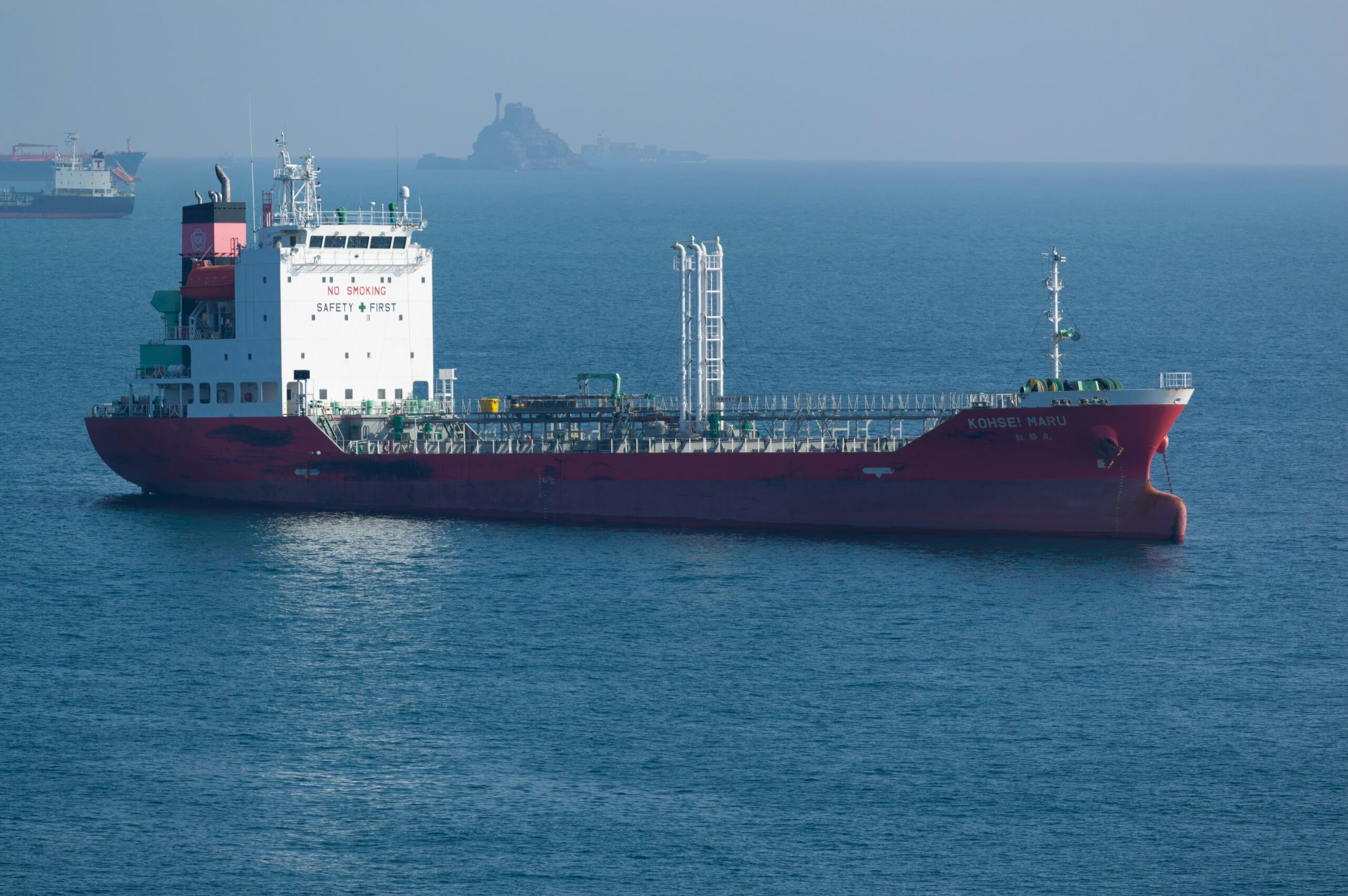

US pressure has caused Venezuelan oil tankers to reconsider their routes, with many vessels turning back or delaying shipments. The aggressive actions come as American authorities step up military and maritime measures, affecting both sanctioned and unsanctioned ships. The move has disrupted exports, stirred international condemnation, and created uncertainty for buyers around the world.
Ships Changing Course
Several tankers heading to or from Venezuelan ports recently altered their paths or paused operations. Owners are waiting for clearer instructions as risks rise due to interception threats. The US Coast Guard has actively pursued vessels alleged to be carrying Venezuelan oil in violation of sanctions, creating delays and leaving millions of barrels temporarily stuck at sea.
Cyberattack Adds Pressure
The disruption is worsened by internal challenges at Venezuela’s state oil company, PDVSA. A recent cyberattack affected administrative systems, slowing documentation and operations. Combined with external pressures, the result is slower cargo handling and fewer exports, which have ripple effects on international buyers who depend on Venezuelan crude.
Rising Costs and Market Reactions
Global oil prices have reacted sharply to the incidents. Brent and WTI crude rose more than 2% after news of tanker interceptions and potential supply shortages. Buyers are demanding discounts or contract adjustments to account for the risks associated with shipping Venezuelan oil under these conditions.
International Criticism
Venezuela and China have condemned the US actions as violations of international law. Officials describe the interceptions as acts of piracy, arguing that such aggressive measures disrupt global trade norms and strain diplomatic relations. Critics also question the long-term effectiveness of coercive tactics, suggesting they may worsen tensions without achieving lasting results.
Operational Challenges
PDVSA is trying to restore normal operations amid these pressures. Some systems are still offline, and documentation often relies on manual processes. Workers have faced delays in salary payments, adding to operational strain. Meanwhile, joint ventures, like Chevron’s, continue limited exports under US authorization, highlighting a patchwork approach to managing production and international obligations.
Strategic Implications
The combined effect of US actions, cyberattacks, and operational delays is a cautionary tale for global oil markets. Supply chains are increasingly vulnerable to political and technical disruptions, and buyers are forced to navigate unpredictable risks.
Venezuelan oil exports face mounting obstacles from both external pressure and internal issues. The tanker reroutes and interrupted shipments illustrate the wider challenges in the region, highlighting how policy, security, and operational setbacks intersect to create uncertainty for the energy market.