

The recent truce between Cambodia and Thailand has drawn support from China, highlighting the hopes and doubts surrounding peace along the tense border. With weeks of clashes leaving over a hundred dead and hundreds of thousands displaced, the ceasefire is a relief, but whether it will hold is another question. China’s involvement signals the importance of stability in the region, yet the underlying tensions remain unresolved.
The Toll of Conflict
The border fighting displaced more than 500,000 people and destroyed homes and infrastructure. Families who have lived for generations near the frontier are now living in makeshift shelters, facing uncertainty and fear. The human cost of this conflict is enormous, and many wonder how long ordinary people can endure the repeated cycles of violence. The truce offers temporary relief, but the scars on communities are likely to last for years.
China’s Role
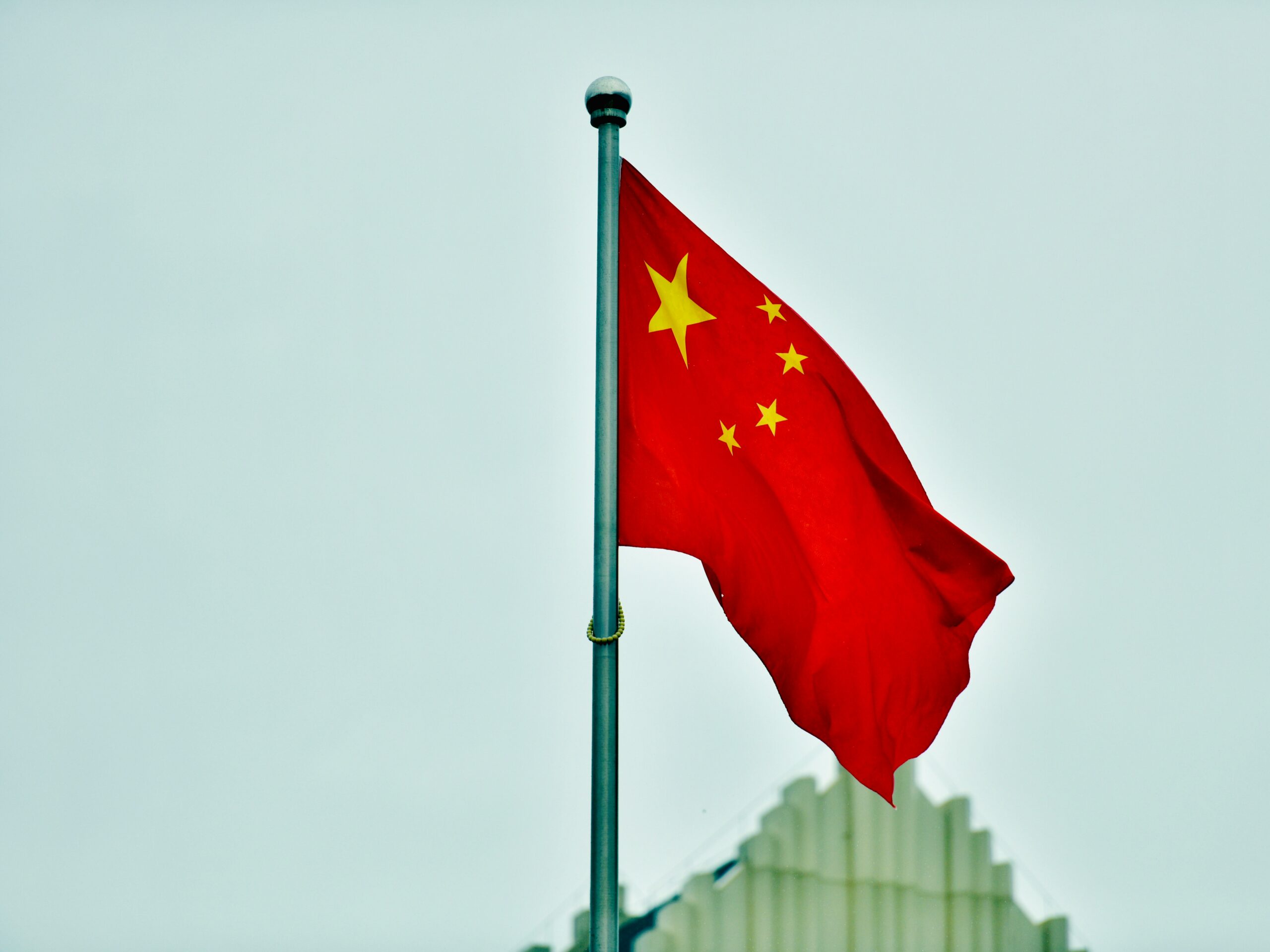
China has welcomed the ceasefire and positioned itself as a mediator, hosting talks between the two countries’ top diplomats and military officials. Beijing’s offer of humanitarian aid to Cambodia shows its intent to be seen as a stabilizing force. However, some analysts question whether China’s involvement is enough to prevent future clashes. The truce may ease tensions temporarily, but it cannot address the deep-seated disputes over border territories that have existed for decades.
Challenges to Lasting Peace
The real test of this truce will be whether Cambodia and Thailand can rebuild trust. Historical grievances, competition over land and resources, and nationalist sentiments on both sides make the situation fragile. Military cooperation and diplomatic meetings may prevent immediate flare-ups, but without addressing these deeper issues, a lasting peace remains uncertain.
Voices from the Ground
Residents along the border express cautious optimism. Some hope the ceasefire will finally bring stability, while others fear it may only last until political or military pressures resurface. Displaced families face ongoing challenges: access to food, medical care, and education for their children remains an urgent need. The truce provides a framework for dialogue, but the work of reconciliation has only just begun.
Looking Ahead
China’s backing of the truce shows regional powers are paying attention to the border conflict, yet peace will depend on the commitment of Cambodia and Thailand to enforce the agreement. Political will, combined with transparency and mutual respect, will determine whether this temporary calm can grow into something permanent.
The wider situation is a reminder that agreements on paper are only the first step. Long-term peace requires consistent engagement, protection of civilians, and addressing the root causes of conflict. If these steps are not taken, another flare-up could undo months of progress in a matter of days.
Bottom Line
This moment of calm is significant, but it is also fragile. The international spotlight and diplomatic efforts may help, but the ultimate test will be how Cambodia and Thailand manage the underlying disputes and rebuild trust on the ground. For those living along the border, hope is measured cautiously, as decades of tension have shown that lasting peace requires more than a ceasefire; it demands real change.