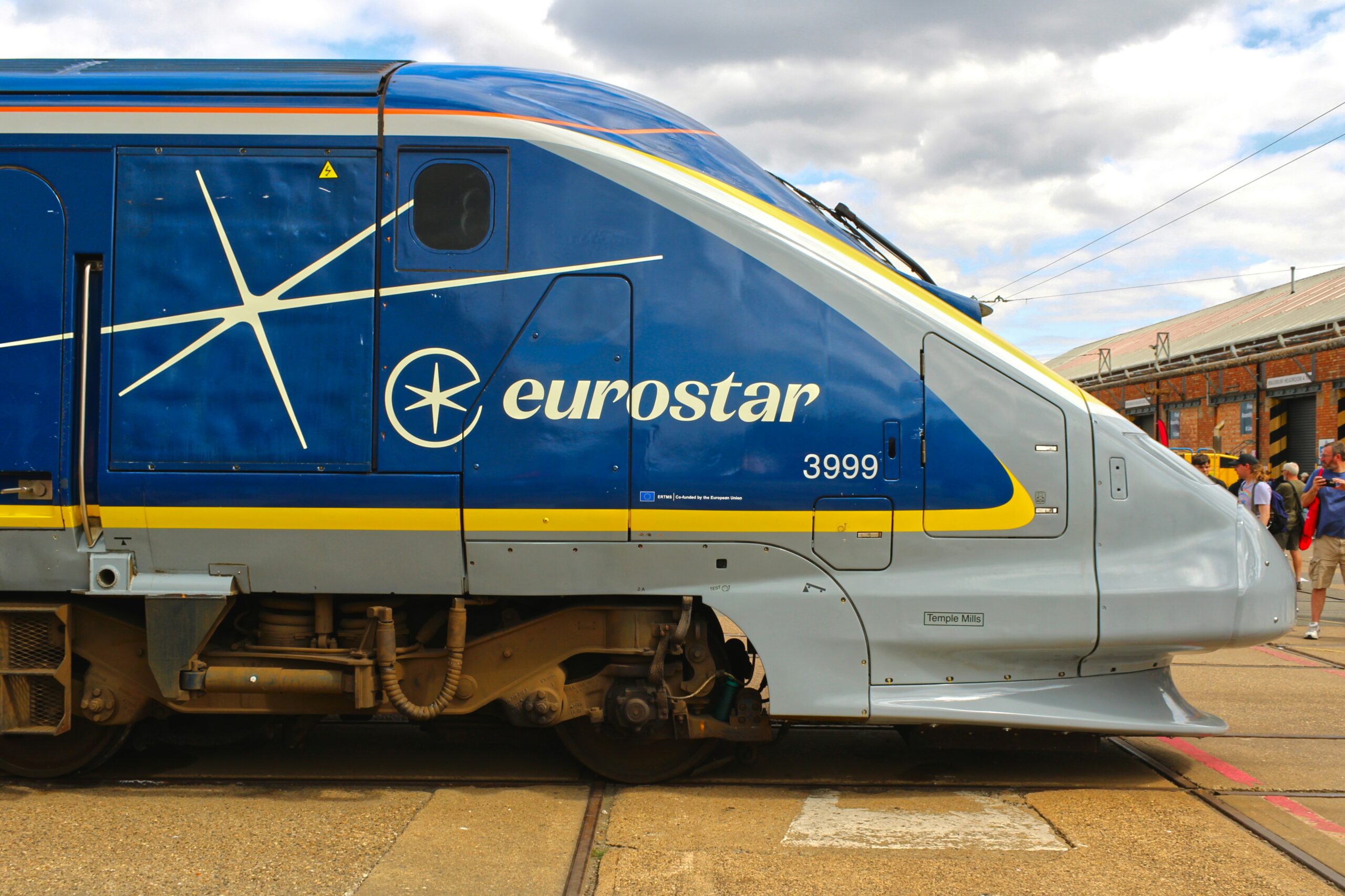

A catastrophic power failure in the Channel Tunnel has plunged cross-Channel travel into chaos, forcing Eurostar to cancel all trains out of London and stranding thousands of holiday passengers in a nightmare of indefinite delays, angry crowds, and vanishing information.
The crisis began with an overnight “power supply issue” that crippled the vital undersea link, followed by a complete breakdown of a Le Shuttle train carrying vehicles and passengers. By midday, the domino effect was total: at least a dozen Eurostar services between the UK, France, Belgium, and the Netherlands were axed, with countless others severely delayed. Staff at London’s St Pancras International told desperate travellers their plans were ruined, advising them to simply “postpone their travel” and re-book.
“Stuck with No Plan B”: A Passenger’s Hell
The human toll of the infrastructure collapse is stark. At the Calais terminal, families are trapped for hours with dwindling supplies and zero assistance.
Ben Clark, stuck onboard a Le Shuttle train with his wife and three daughters, told the BBC, “The girls have got restless… we’ve let them run around the boarding carriage to burn off some energy. We have used up our snacks and now have no plan B or C.”
On the UK side in Folkestone, Matthew Webber voiced the collective frustration: “Not a lot of information being given out, which is poor… The conditions are very busy and people are leaving to get a ferry.” Steph Roberts, stranded at Calais with her husband and dog after a Christmas visit, reported receiving no updates, food, or water from authorities.
A “Gradual” Return from Total Collapse
Eurostar and Eurotunnel, the tunnel’s operator, have issued blanket apologies but few concrete assurances. Eurostar stated services were “suspended until further notice,” offering only free re-bookings or refunds. Eurotunnel said the failed train had been cleared and predicted a “gradual” resumption of service by mid-afternoon, a timeline that offers little solace to those already trapped for half a day.
National Rail has warned that “major disruption is expected to last until further notice.” The Le Shuttle website acknowledges “lengthy delays” at check-in and border control, with wait times stretching over three hours on both sides of the Channel.
The incident has not just disrupted schedules; it has severed the UK’s primary physical link to mainland Europe at one of the busiest travel periods of the year. For the thousands caught in the backlog, the “Chunnel” has become a tunnel of frustration—a symbol of modern travel brought to a humiliating, powerless halt, leaving a trail of angry passengers, hungry children, and abandoned holiday plans in its wake.