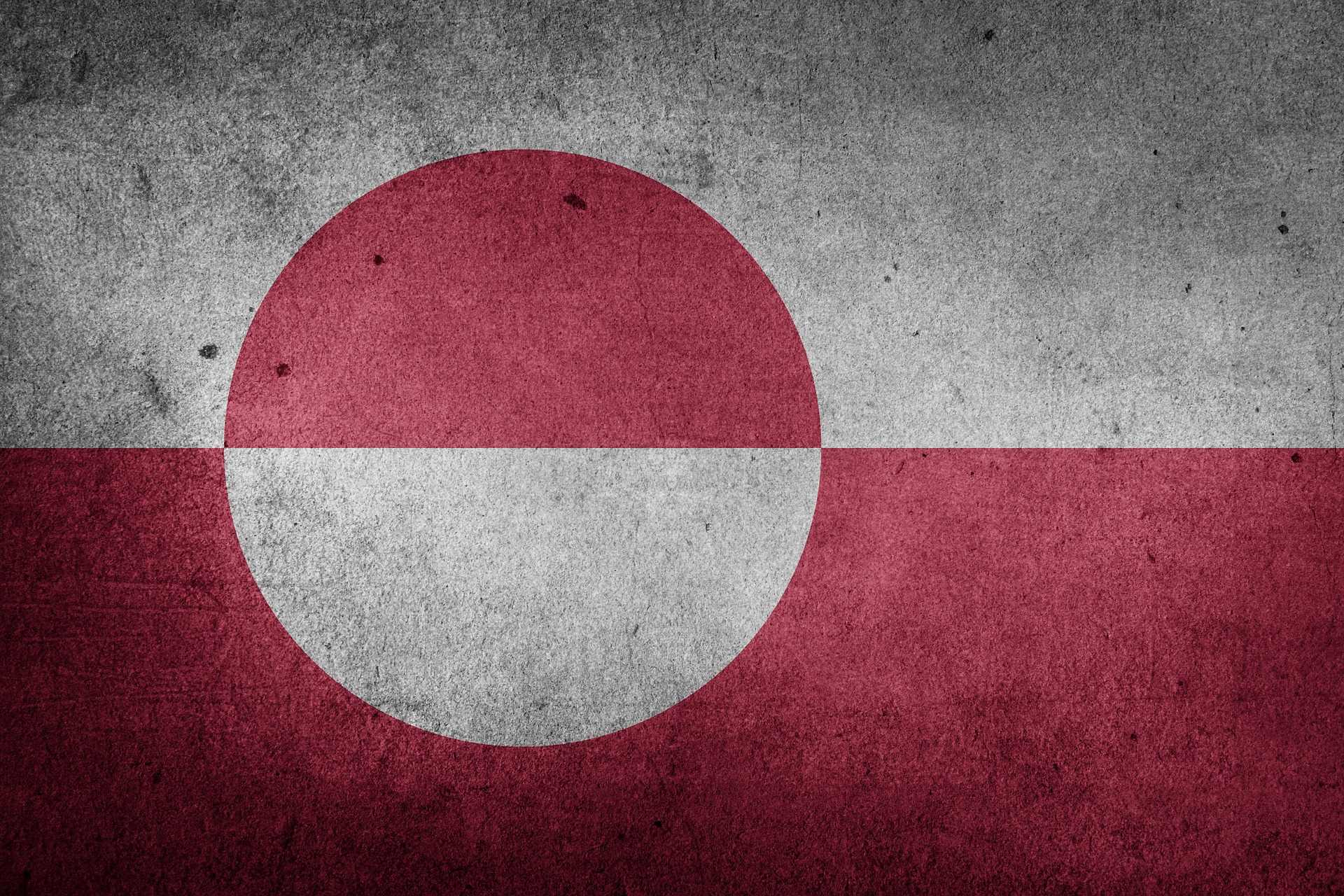

Denmark is scrambling to defend Greenland, a territory that has been quietly moving toward independence for decades. While U.S. threats to seize the Arctic island have grabbed headlines, the reality is that Greenland has been charting its own path since 1979, and Denmark may already be losing its hold.
The crisis exposes the tension between Denmark’s desire to maintain influence and Greenlanders’ push for self-determination. Experts argue that Denmark risks spending political and financial capital on a territory that may not even want to stay.
Greenland’s Long Move Toward Independence
Greenland has enjoyed increasing autonomy for more than 40 years. In 1979, the island gained home rule, and a 2009 agreement confirmed the people’s right to independence if they choose. Despite this, Denmark continues to invest heavily in Greenland, providing annual funding and managing critical infrastructure like the police, justice system, and defence.
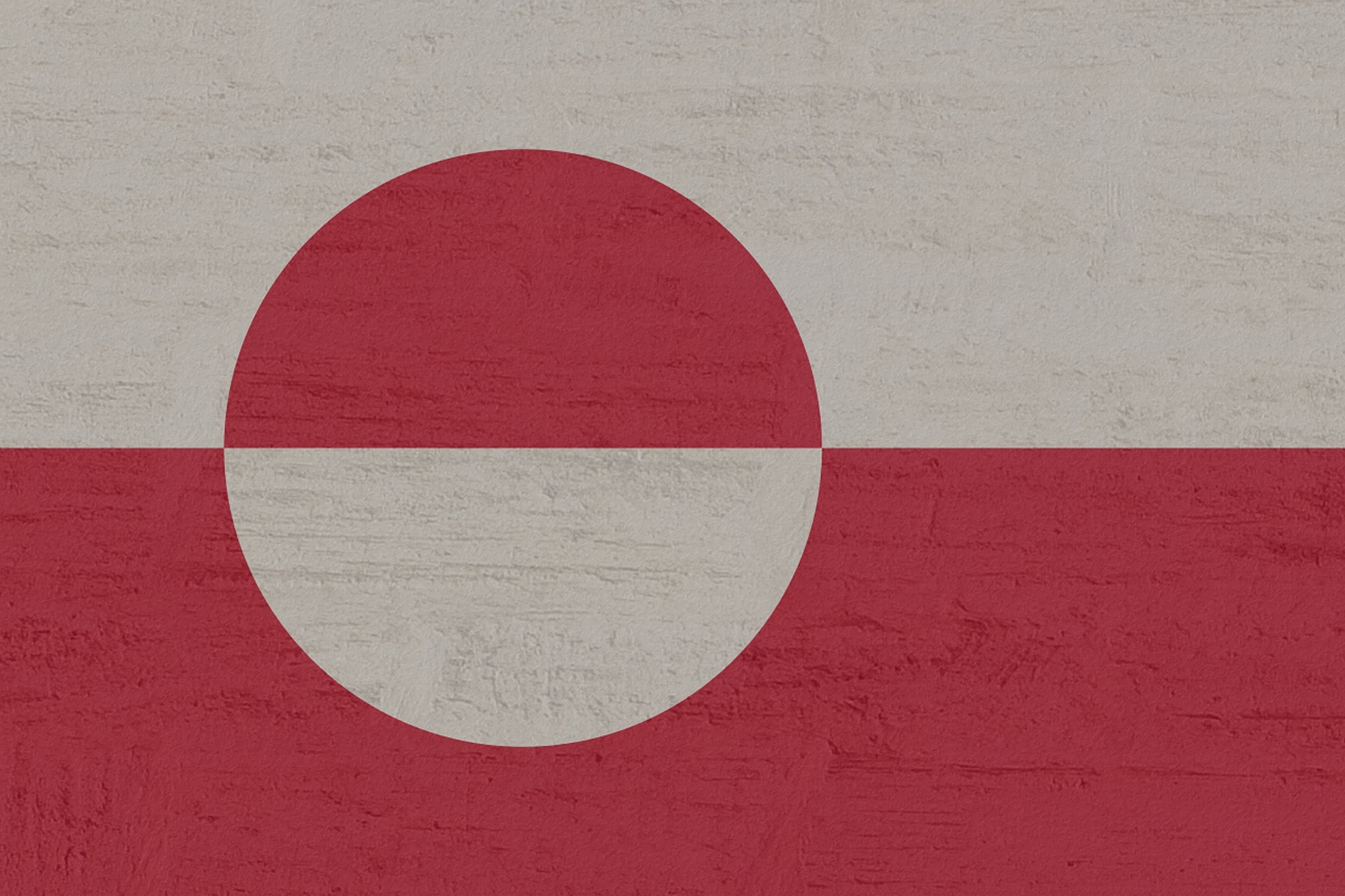
Today, Greenlanders are not only seeking more control over their affairs but are willing to negotiate directly with other nations, including the United States, bypassing Copenhagen. Many political parties in Greenland openly support independence, though they differ on timing and approach.
Trump Threats Stir Panic in Copenhagen
U.S. President Donald Trump’s comments about buying or seizing Greenland have sent shockwaves through Danish politics. While European allies have expressed solidarity with Denmark, the panic highlights how vulnerable Denmark’s position is in the Arctic.
Political commentators say Denmark is overreacting. Professor Mikkel Vedby Rasmussen of the University of Copenhagen notes that the country risks exhausting its foreign policy capital to defend a territory whose people may not care about remaining part of the kingdom.
“Denmark is rallying to protect Greenland, but the reality is that the island has its own plans. They may walk away even after Denmark spends billions to hold on,” Rasmussen said.
The Strategic Value of Greenland
Denmark cannot ignore Greenland’s importance. The island’s location between Europe and North America makes it a key site for military and geopolitical strategy, including the U.S. ballistic missile defense system. During the Cold War, Denmark leveraged Greenland’s position to gain influence in Washington while keeping its defense spending relatively low, a strategy now called “the Greenland Card.”
However, Greenland’s push for independence and its readiness to deal directly with foreign powers undermine Denmark’s leverage. Experts warn that continuing to fight for Greenland could harm Copenhagen’s credibility in the international arena, especially at a time when tensions with Russia are growing.
Financial Strains
Holding on to Greenland comes with a heavy price. Denmark provides an annual block grant of about 4.3 billion Danish crowns ($610 million) to Greenland. The island’s GDP growth remains nearly stagnant, creating a financing gap of roughly 800 million crowns per year. Total spending on the territory, including defense, approaches $1 billion annually.
Recently, Denmark announced a 42 billion crown ($6.54 billion) Arctic defense package in response to U.S. criticism, further straining resources. Analysts say that these expenditures may be wasted if Greenlanders decide to go their own way.
Cultural and Historical Ties
Some argue that the relationship between Denmark and Greenland is about more than strategy or money. There are centuries of shared history, culture, and personal connections. Marc Jacobsen, associate professor at the Royal Danish Defence College, notes that family and historical ties complicate Copenhagen’s decisions.
Still, many Danes feel disconnected from Greenland. Broadcaster Lone Frank said, “I don’t understand why we have to cling to this community with Greenland when they so badly want out of it. To be completely honest, Greenland doesn’t inspire any sense of belonging in me.”
Denmark’s Balancing Act
Prime Minister Mette Frederiksen faces a difficult choice: stand firm and risk angering Greenland and the U.S., or allow the territory more freedom and risk losing international influence. Analysts warn that Denmark’s political credibility may be at stake, but forcing Greenland to remain part of the kingdom could backfire, pushing the island closer to independence.
For now, Denmark is caught between defending a territory that wants to break free and maintaining credibility with allies. The Greenland crisis is not just about strategy; it is about acknowledging a reality that Copenhagen has long tried to ignore: Greenland is moving on, whether Denmark likes it or not.