Pakistan has quietly shut a door many Africans did not even know was closing. From January 2026, travellers from Nigeria and 33 other African countries can no longer enjoy Pakistan’s free “Visa Prior to Arrival” option. What used to be a rare, friendly visa path has now turned into a paid, stressful process. And for Nigerians, the change feels like a direct slap.
This decision did not come with loud announcements or press conferences. It came silently, through policy changes on visa portals. But its impact is loud across Africa.
A Quiet policy, Loud Consequences
For over a year, Pakistan’s Visa Prior to Arrival programme gave Africans a simple way in. No fees, fast approval, ninety days and Multiple entry. It helped traders, students, tourists, and even patients seeking medical care.
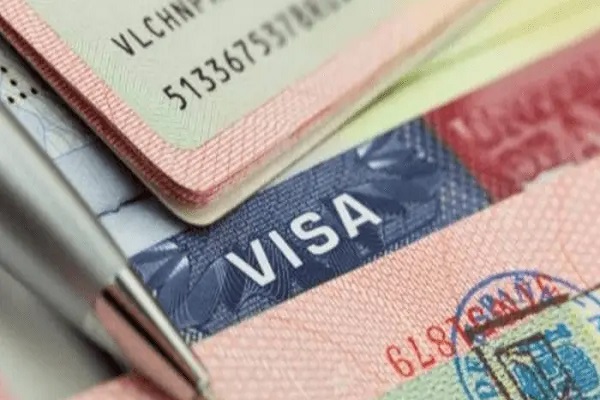
Now that option is gone.
Nigerians and other Africans must apply through Pakistan’s regular e-Visa system. That means fees, paperwork, longer waiting times, and more chances of rejection. What was once simple has become heavy.
Pakistan Slams Visa Requirements on Nigeria not because of one rule, but because of what the rule represents: rising barriers in a world that keeps promising openness.
Nigeria feels it the hardest
Nigeria stands out among the affected countries. It is Africa’s largest economy by population and a major travel hub. Nigerian traders travel to Pakistan for textiles. Students go for education. Some Nigerians seek medical treatment there because it is cheaper than in Europe or the US.
Now, bank statements, invitation letters, and visa fees stand in the way.
For many Nigerians, this feels familiar. Doors open briefly, then shut again. Pakistan’s move adds to a long list of countries tightening access just as Africans try to move, trade, and learn.
More Than Visas, It is About Respect
Visa policies are never just about security. They are also about how countries see each other.
Pakistan’s free visa policy once sent a clear message: Africa matters. This new policy sends a different one. It tells Africans that access is conditional, temporary, and easily withdrawn.
That is why the reaction is not just about money. It is about dignity. When policies change without explanation, people feel unwanted, even when they bring value.
Trade and Business Take a Hit
This decision may hurt Pakistan as much as Africa. African traders buy Pakistani rice, textiles, pharmaceuticals, and manufactured goods. Countries like Nigeria, Kenya, Ghana, and South Africa are growing markets. Easier travel helped deals happen faster, and trust grow stronger.
By tightening visa rules, Pakistan adds friction. Deals slow down. Travel becomes uncertain. Small traders, not big corporations, suffer the most.
Students and medical travellers caught in the middle
Many African students choose Pakistan because it is affordable and accessible. Medical travellers also rely on quick visas for urgent care.
The new system does not consider urgency. It treats everyone the same: slow, paid, and bureaucratic.
For people travelling for health reasons, delays are not just inconvenient. They are dangerous.
A Wider Problem
Pakistan is not alone. Across the world, visas are becoming harder for Africans. Even when trade and diplomacy grow, movement does not follow.
This contradiction is frustrating. Governments talk about partnership, but borders tell another story.
Pakistan’s decision comes at a bad time. Africa is pushing free trade and movement under continental agreements. This visa rollback moves in the opposite direction.
Silence from Islamabad
So far, there is no clear explanation from Pakistan. Is this temporary? Is it permanent? Is it about security, pressure, or politics?
The silence creates uncertainty. And uncertainty is poison for travel, business, and trust.
Until Pakistan speaks clearly, Nigerians and other Africans are left guessing.
What This Really Says
This reflects a deeper issue: how easily African access can be reduced without discussion.
Visa policies show priorities. Right now, Africa is not a priority.
If Pakistan wants strong ties with Africa, this move sends the wrong signal. Borders may protect countries, but they also shape relationships. And this one has left a bitter taste.