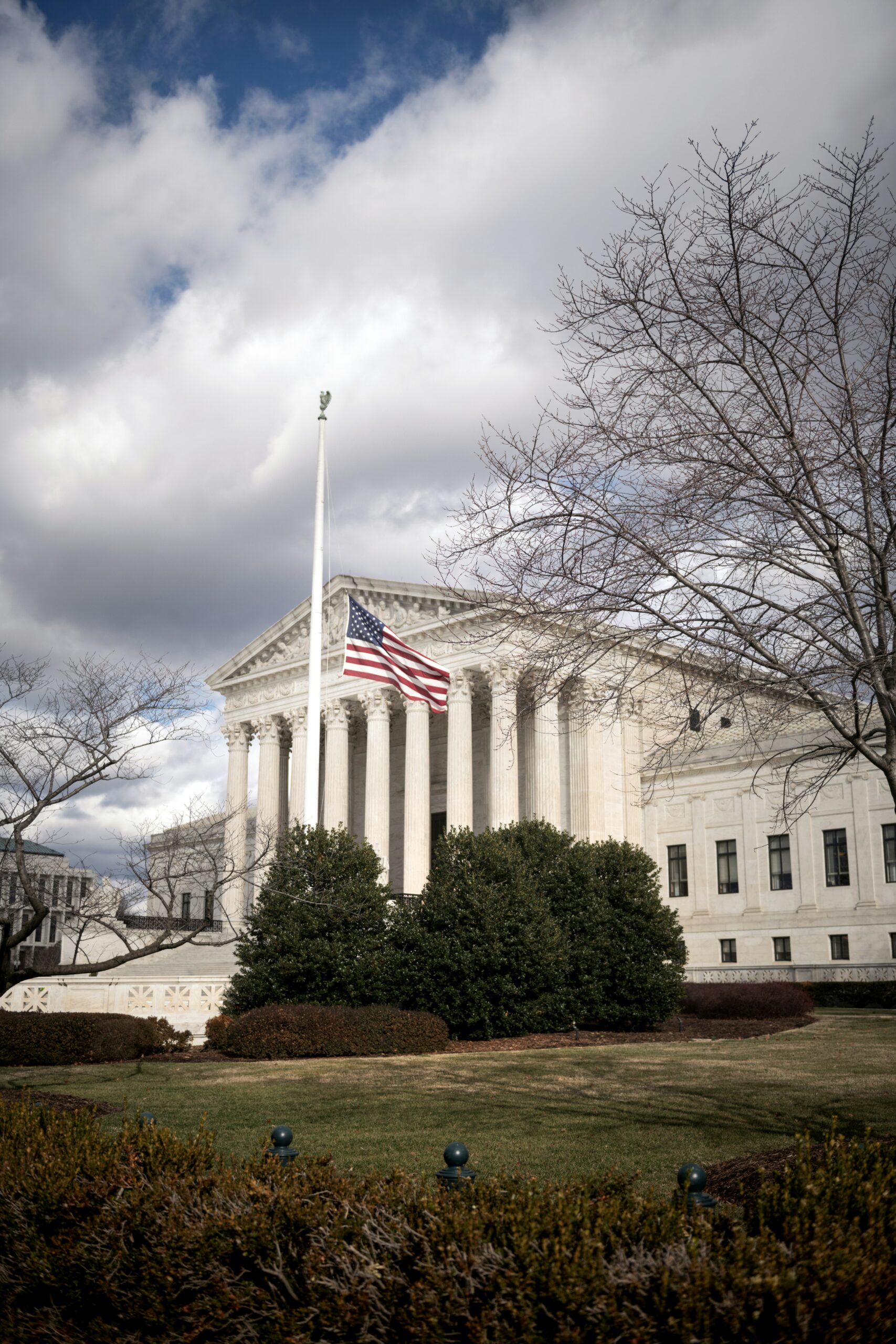

The countdown to a potential political earthquake has officially begun. The U.S. Supreme Court has signaled it may release its next slate of rulings on January 20, a date that could decide the legal fate of one of President Donald Trump’s most aggressive and controversial economic policies: his sweeping global tariffs. With several blockbuster cases pending, the nation now waits to see if the justices will uphold a cornerstone of Trump’s “America First” agenda or sink it with a historic rebuke.
The Court’s updated website on Friday indicated decisions in argued cases could come next Tuesday when the justices take the bench. While the Court never pre-announces which rulings will land, the legal and political worlds are fixated on one case above all: the monumental challenge to the President’s authority to unilaterally impose tariffs on national security grounds. A decision against the administration would not only unravel a central tenet of Trump’s trade war but also dramatically curtail presidential power in the realm of economic foreign policy.
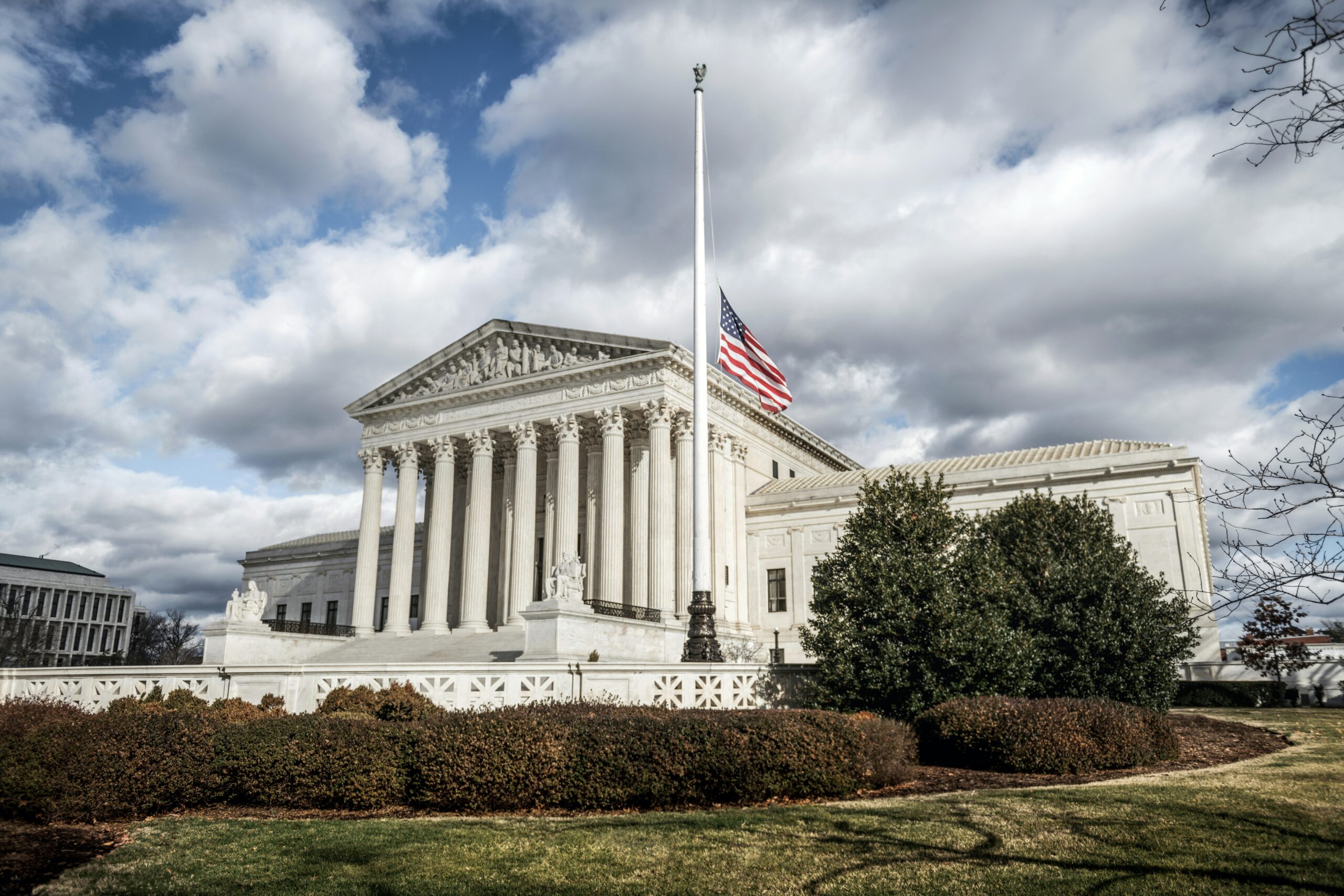
The Stakes: More Than Just Tariffs
At issue is far more than import taxes on steel, aluminum, and a host of other goods. The legal challenge represents a fundamental clash over the separation of powers. The Trump administration has argued that the president possesses nearly unlimited discretion under decades-old trade laws to levy tariffs as a tool of national and economic security. Opponents, including a coalition of affected industries and lawmakers, contend this constitutes an unconstitutional delegation of Congress’s power to regulate commerce.
A ruling against Trump would be a judicial torpedo amidships, potentially invalidating tariffs that have reshaped global supply chains, sparked retaliatory measures from allies and adversaries alike, and become a defining (and deeply polarizing) feature of his presidency. It would be a severe blow from a bench that includes three of his own appointees.
January 20: A Date Loaded with Symbolism
The chosen date, January 20, is itself dripping with political symbolism. It is the traditional date of a presidential inauguration, though not this cycle. By issuing a ruling of this magnitude on this date, the Supreme Court would be stamping its ultimate authority on a defining presidential policy, reinforcing its role as the final arbiter of constitutional disputes regardless of who sits in the Oval Office.
The ruling could also have immediate and chaotic economic consequences. Financial markets, which have operated for years under the assumption of the tariffs’ permanence, could be thrown into volatility. Industries that have retooled their operations around the new trade reality would face yet another upheaval.
The Ultimate Cliffhanger
As the weekend passes, the tension will only build. Lobbyists, corporate lawyers, foreign diplomats, and White House officials will all be waiting for the Court’s signal.
Will the Supreme Court sink Trump’s plan? On January 20, we will have the definitive answer.