
Iran is once again pointing outward as the country counts its dead, with streets only just growing quieter and the internet slowly coming back, Supreme Leader Ayatollah Ali Khamenei has laid the blame for weeks of violent unrest squarely at the feet of U.S. President Donald Trump.
A Nation Shaken By Weeks of Unrest
The protests that erupted in late December did not begin as a revolution. They started with anger over rising prices, joblessness, and daily hardship. But in Iran, economic pain rarely stays economic. The demonstrations quickly turned political, with calls against clerical rule spreading across cities.
What followed was the worst unrest Iran has seen in years. According to a U.S.-based rights group, more than 3,000 people were killed. Thousands more were arrested. Entire neighborhoods were locked down. Fear became normal.
Iranian authorities admit the violence was severe, but they reject the idea that it was a popular uprising. Instead, they describe it as chaos driven from abroad.
Khamenei’s Message: Blame The Outsider
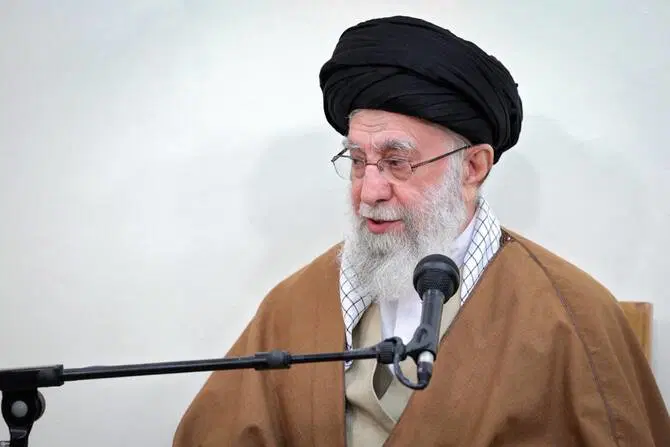
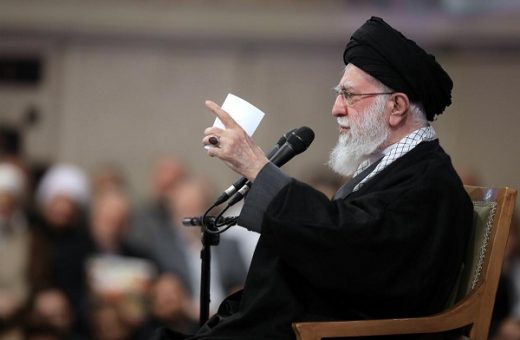
In a public address, Khamenei accused Trump of inciting the violence and called him criminally responsible for deaths and destruction. The language was strong, even by Iranian standards.
For Iran’s leadership, this framing is familiar and useful. By blaming the United States and Israel, the government shifts attention away from domestic anger and toward foreign enemies. It also sends a message to protesters: you are not reformers, you are tools.
Khamenei made it clear that Iran would not go to war, but he also promised punishment. His words suggested restraint on the outside and zero tolerance on the inside.
Trump’s Mixed Signals
Trump’s role in this crisis is complicated. On one hand, he publicly threatened strong action if Iran executed protesters. On the other hand, he later thanked Tehran’s leaders for what he said was a decision to halt mass hangings.
Iran denied that executions were ever planned. But the exchange itself mattered. It allowed Tehran to argue that Trump was interfering, speaking loudly, and inflaming tensions from afar.
From Iran’s view, Trump talks tough but plays politics. From Washington’s view, the rhetoric is pressure. In the middle are ordinary Iranians paying the price.
Death Tolls, Arrests, and Fear
Rights groups say nearly 3,100 people have died, most of them protesters. Iranian officials have acknowledged “several thousand” deaths but say many were caused by armed groups and foreign-backed agents.
Over 22,000 people have reportedly been arrested. Prosecutors have used the word mohareb, meaning enemies of God, a charge that can carry the death penalty. This alone has sent fear through families across the country.
State media says those detained include ringleaders and people linked to opposition groups abroad. Independent verification is almost impossible.
The Internet Blackout and The Silence
For days, Iran was almost completely offline. Messages stopped. Videos disappeared. The blackout made it easier to control the streets and harder for the world to see what was happening.
On Saturday, some internet and SMS services returned. Connectivity remained very low, but even that small opening changed things. Iranians inside and outside the country began to reconnect, share stories, and confirm who was alive.
The timing matters. The crackdown appears to have worked. Streets are calmer. The state feels back in control.
Arrests, Intelligence, and Old Enemies
Iranian media has highlighted arrests following what it calls complex intelligence operations. Names were released. Accusations were made. Some detainees were linked to exiled opposition figures, including Reza Pahlavi, the son of Iran’s last shah.
Israel also entered the picture, with rare public comments suggesting it has operatives inside Iran. This feeds directly into Tehran’s narrative of foreign plots and justifies harsh measures in the name of security.
What This Moment Really Shows
Khamenei blaming Trump for the Iran bloodshed is not just anger. It is a strategy, by pointing to Washington, the Iranian leadership protects itself from deeper questions about why so many people were willing to risk death to protest.
The unrest has been crushed for now, but it has not been solved. Economic pain remains. Political frustration remains. Fear may quiet streets, but it does not erase resentment.
Iran has survived this crisis, but at a high cost. And by blaming the outside world, its leaders may be delaying, not avoiding, the next reckoning