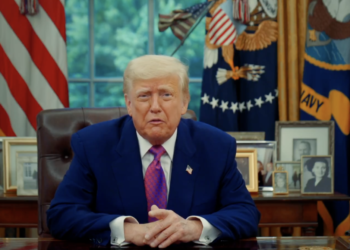
In an embarrassing and highly unusual malfunction, the iconic presidential aircraft Air Force One was forced to abort its mission and turn back shortly after takeoff on Wednesday, grounded by what the White House blandly termed a “minor electrical issue.”
The incident, which saw lights flicker and fail in the press cabin, forced President Donald Trump to transfer to a backup plane, delaying his high-stakes address to world leaders in Davos and raising urgent new questions about the aging, crisis-prone fleet that carries the commander-in-chief.
The aircraft, one of two Boeing 747-200Bs that have been in service since 1990, departed Joint Base Andrews in Maryland bound for Switzerland before pilots were compelled to return. While officials downplayed the fault, the very public failure—occurring just as Trump was to deliver a speech demanding the annexation of Greenland—highlighted the growing vulnerability of a national symbol. The president, who has repeatedly voiced his dissatisfaction with the planes, was left waiting on the tarmac as a logistical scramble unfolded, his schedule thrown into disarray and his grand arrival upstaged by a technical glitch.
A Pattern of Problems and Presidential Disdain
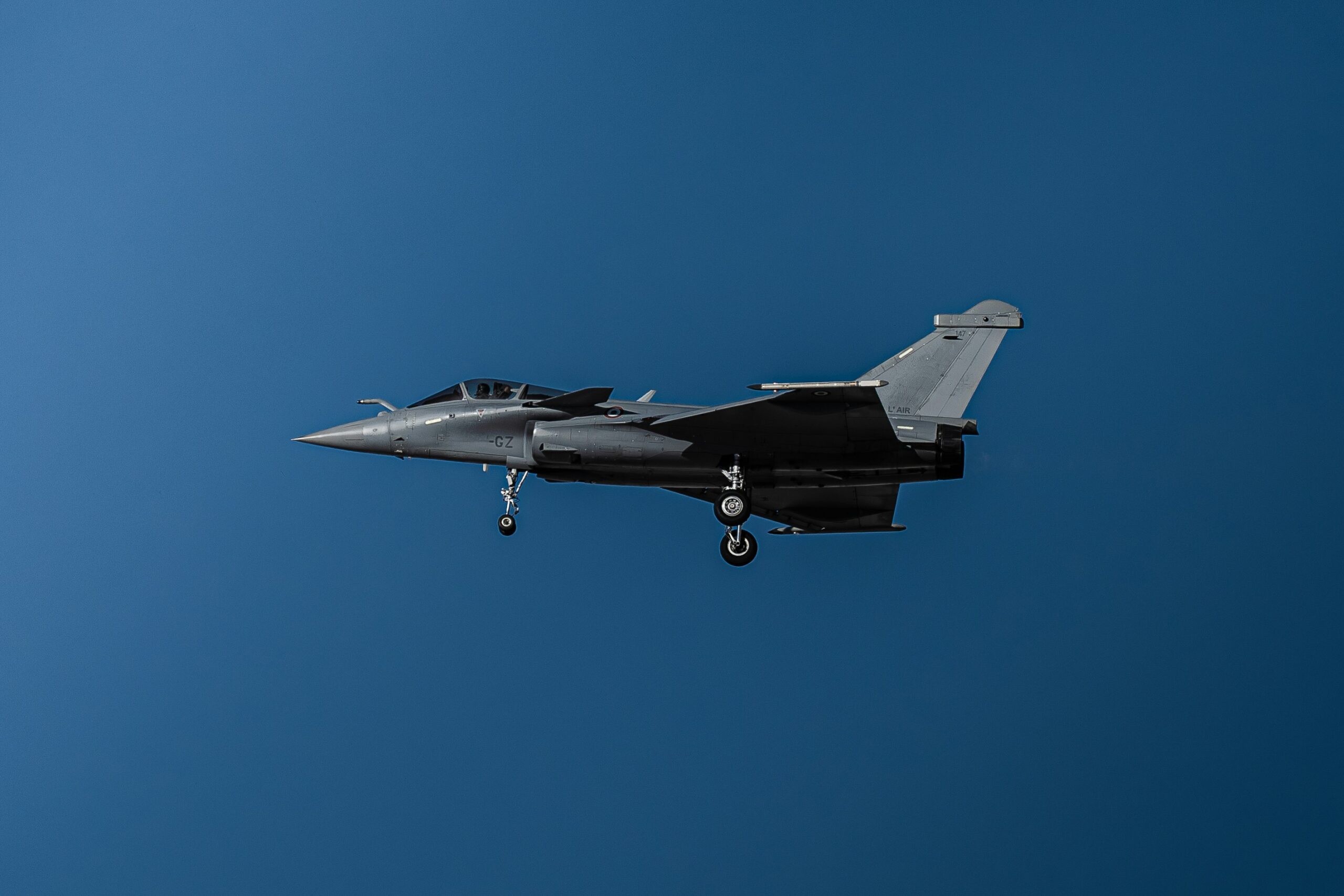
This incident is not isolated but the latest flare-up in a long-simmering crisis over the presidential fleet. The two VC-25A aircraft, though upgraded, are plagued by soaring maintenance costs for their aging airframes and engines. Trump’s frustration boiled over last year when his administration announced it was “looking at alternatives” to Boeing after repeated delays in delivering two new, replacement aircraft.
The controversy deepened in May when the administration accepted a $400 million Boeing 747-8 as an “unconditional” gift from Qatar, with U.S. taxpayers footing the bill for any retrofitting. While the White House insists the move is legal and plans to donate the jet to Trump’s presidential library, critics have lambasted it as a questionable luxury purchase that underscores the desperate search for a reliable solution. Wednesday’s failure proves that the solution cannot come soon enough.
A High-Stakes Trip Thrown Into Chaos
The delay had immediate diplomatic consequences, pushing back Trump’s arrival in Davos by approximately three hours and compressing a schedule packed with meetings with foreign leaders and a reception for global CEOs. His keynote speech, now slated for 14:30 local time, was meant to be a defiant platform to reiterate his demand that the U.S. “must have” Greenland, a threat that has already spurred European nations to send military personnel to the Arctic island in a show of resistance.
The irony was palpable: the president’s trip to assert American power and territorial ambition was humbled at the very start by the failure of his own most visible tool of global reach. The “minor electrical issue” morphed into a major optics problem, projecting an image of disarray at the moment Trump sought to project ultimate strength.
What Really Happened: A Symbol Showing Its Age
While the White House sticks to its minimal description, the event tells a broader story. “Air Force One” is a callsign, not a single invincible plane. The reality is that two 33-year-old aircraft are operating under immense stress. Electrical faults in complex, aging systems are not mere nuisances; they are warning signs. For a president who has made “strength” and “modernization” central tenets of his platform, being let down by this decaying symbol of executive power is a profound, if silent, rebuke.
The question raised is not just about a single flight, but about preparedness. If the plane tasked with carrying the president to a global summit cannot reliably complete its mission, what does it say about the state of the infrastructure he commands? The incident reveals a fleet not “fit to fly” into the future, forcing a last-minute scramble that is becoming a worrying metaphor for the challenges of maintaining American primacy on a brittle foundation.