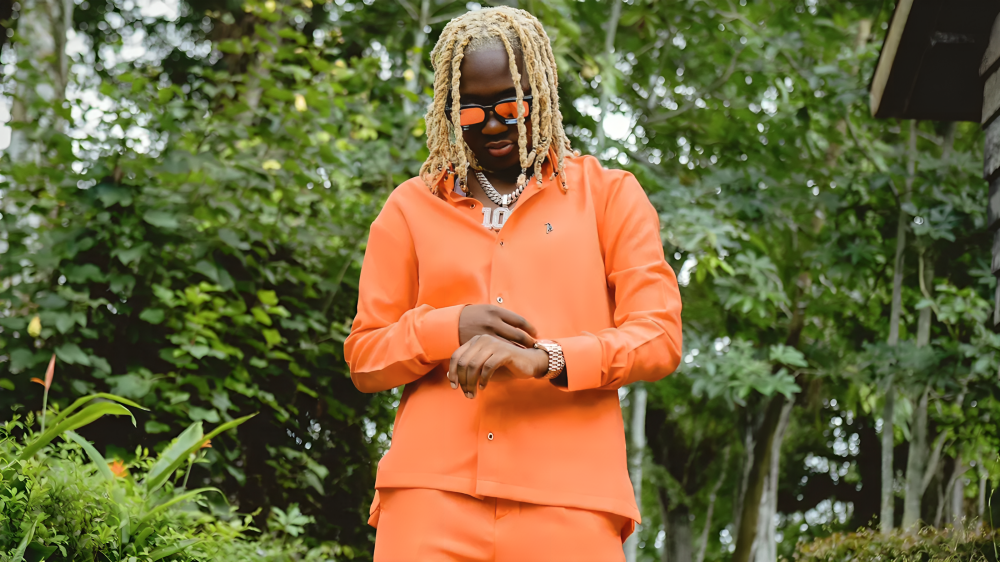

Born Oluwafisayo Isa on September 18, 2001, in Yaba, Lagos, Darkoo has emerged as one of the most influential British-Nigerian artists of her generation. Relocating to South London at age seven, she grew up at the intersection of Nigerian and British cultures, a duality that would define both her music and her persona. The fusion of Afrobeats, UK drill, and R&B in her upbringing created a sound that is unmistakably hers—dynamic, genre-blending, and bold.
Rise to Global Prominence
Darkoo first attracted attention at just 15 as a drill rapper, quickly demonstrating lyrical dexterity and stage presence beyond her years. Her transition into the Afroswing sound marked a pivotal moment in her career. In late 2019, she released Gangsta, featuring One Acen, a track that instantly went viral on TikTok. The single peaked at number 22 on the UK Official Singles Chart and went on to top the UK Afrobeats Chart in 2020, cementing her status as a rising star.
Following Gangsta, Darkoo continued to build momentum through high-profile collaborations and releases:
- “Body” Remix (2021): Darkoo contributed to the remix of Tion Wayne and Russ Millions’ hit, the first drill track to reach number one in the UK.
- “Always” (2022): Partnering with Ghanaian artist Black Sherif, she expanded her influence across the African continent.
- “Favourite Girl” (2024): Featuring Dess Dior, the song became a major hit and later gained further traction through a viral remix with Rema.
Her work did not go unnoticed. At the 2025 MOBO Awards, Darkoo won Best Female Act and Song of the Year for Favourite Girl, signaling her ascent from rising talent to established force in contemporary music.
The Two Faces of Darkoo
Darkoo is equally known for her unique approach to identity. Public discussion about her gender has been frequent due to her androgynous style and gender-fluid presentation, but she consistently affirms that she is a woman: “I am a black female, masculine characteristics but female. I love it here,” she stated in a candid interview.
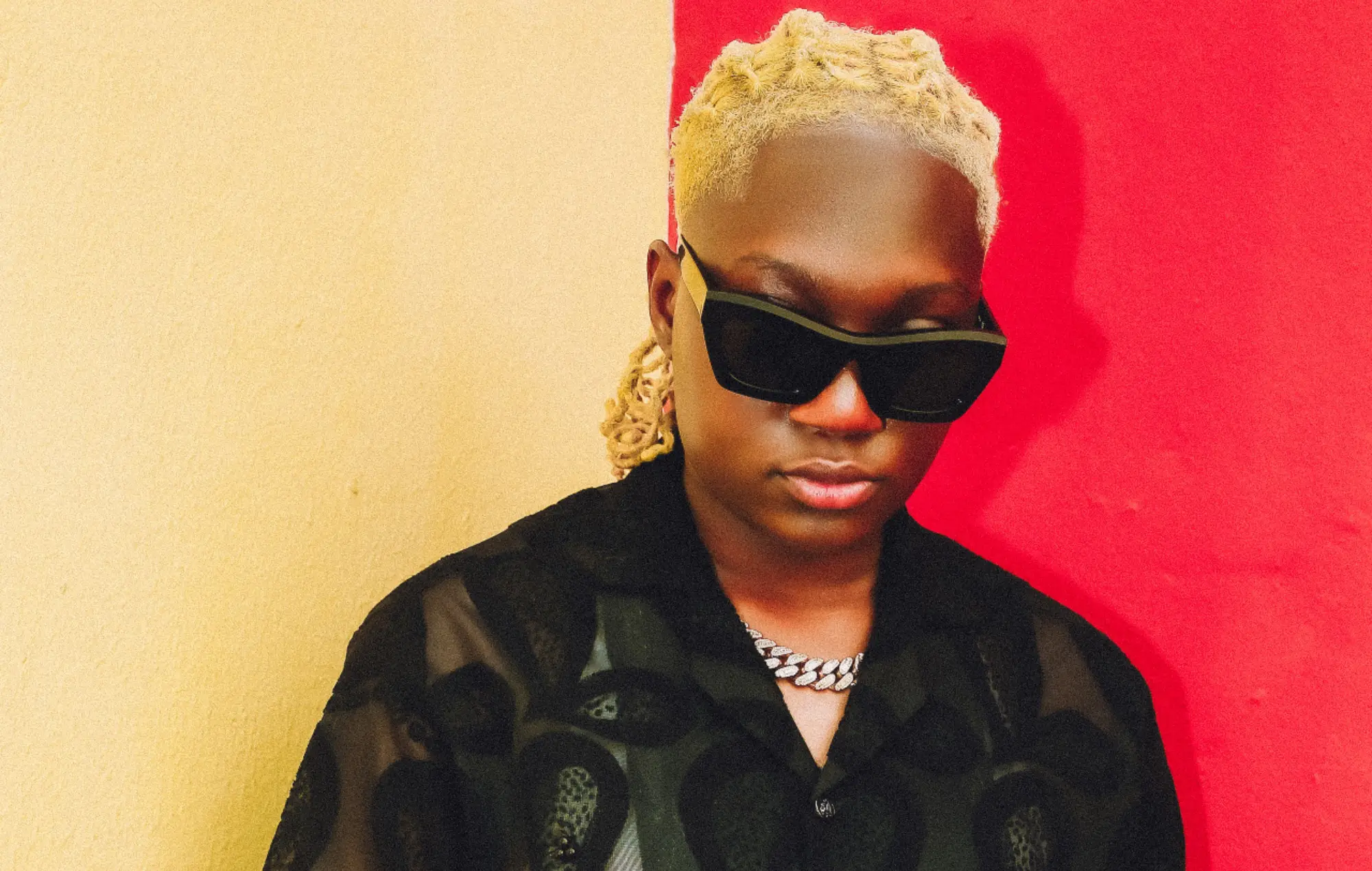
Her identity is expressed through two personas: Darkoo and Darkisha. Darkoo embodies her “masculine” energy, featuring tracksuits, deep vocals, and an “f-boy” aesthetic. Darkisha represents her “feminine” side, where high-glam looks, wigs, and elegant gowns dominate. By embracing both sides, Darkoo challenges norms and encourages fans to explore self-expression without constraint.
Personal Life and Cultural Impact
In recent years, Darkoo has become more open about her personal life. In 2024–2025, she shared her journey of coming out as a lesbian to her Nigerian parents, reflecting both courage and the complexities of navigating identity within a conservative cultural context. She often highlights her close relationship with her mother as a source of strength.
Beyond music, Darkoo has made waves in fashion. In early 2026, she appeared in high-fashion editorials and expressed ambitions to walk runways for brands like Dsquared2, further proving that her influence extends far beyond the recording studio. Her visibility has positioned her as a role model for young African women globally, particularly those navigating dual identities in music, fashion, and society at large.
Darkoo’s career is defined not just by chart success but by her resilience, authenticity, and refusal to conform. She has transformed her personal duality into a public strength, blending cultural influences, musical genres, and self-expression into an inspiring narrative. As she continues to release music, collaborate with international artists, and break boundaries in fashion, Darkoo’s presence remains a testament to the power of embracing one’s identity fully while achieving artistic excellence.
With her trajectory showing no signs of slowing, Darkoo represents a new generation of artists redefining what it means to be a British-Nigerian woman in music today—a force that merges talent, culture, and individuality in a way that resonates globally.