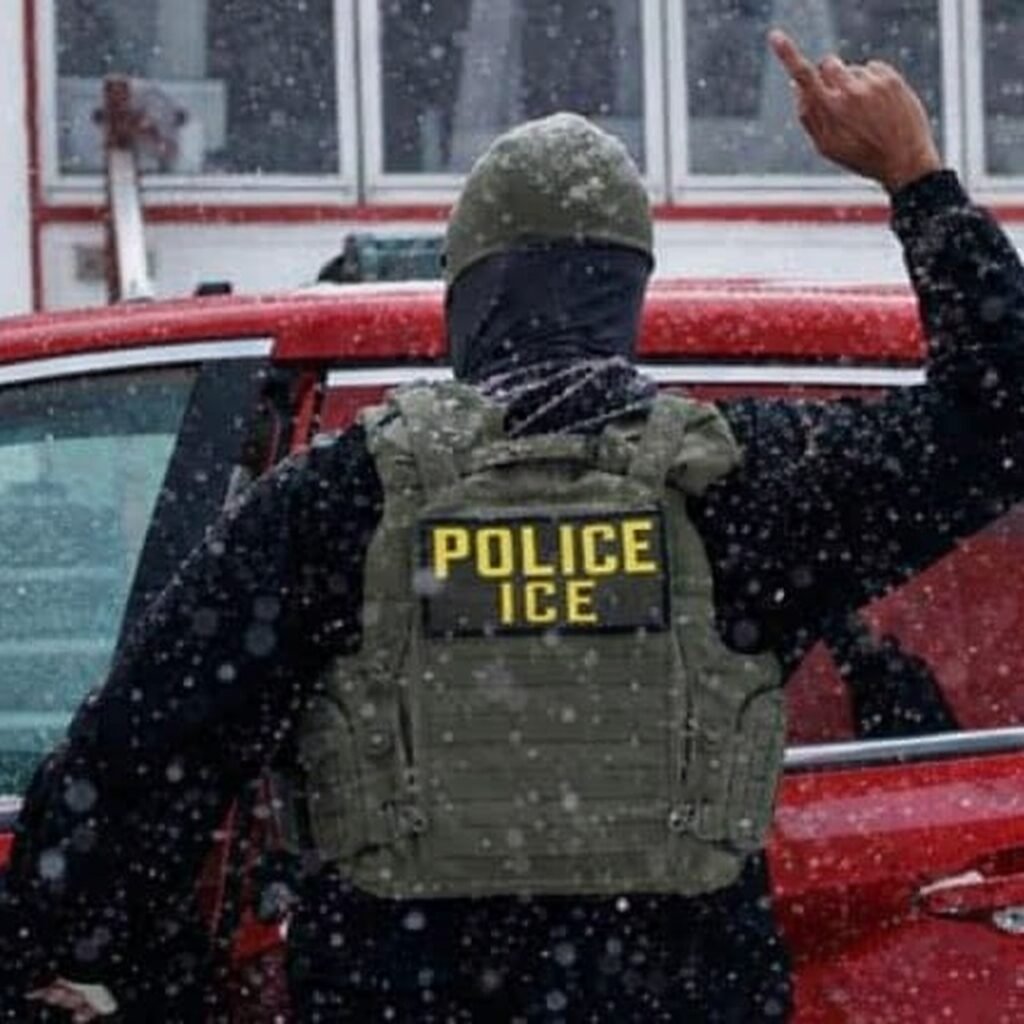

The government of Ecuador has filed a formal diplomatic protest, accusing a U.S. Immigration and Customs Enforcement (ICE) agent of attempting to storm its consulate in Minneapolis in what it condemns as a flagrant violation of international law and sovereign territory.
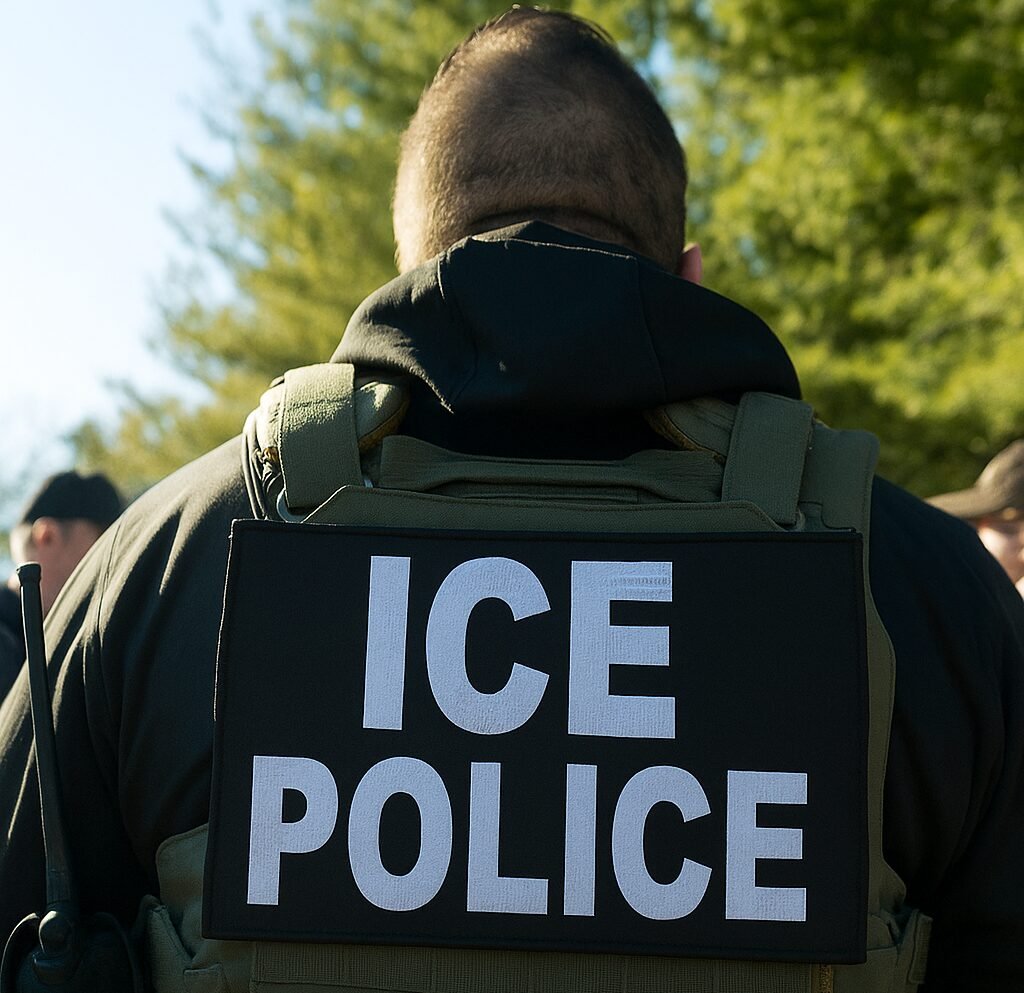
The incident occurred on Tuesday at 11:00 AM local time. According to Ecuador’s foreign ministry, an ICE agent “tried to enter the premises of the consulate” without authorization. In a video shared by Ecuadorian media, a consular official is seen rushing to block the door, declaring, “This is the consulate, you’re not allowed in here, this is a foreign government’s office.”
The ICE agent is heard responding, “If you touch me, I will grab you,” before the official secures the door. The ministry stated its staff acted “to guarantee the protection of the Ecuadoreans who were inside,” preventing the agent from gaining access.
A Brazen Breach of the Vienna Convention
Ecuador’s outrage is rooted in the 1963 Vienna Convention on Consular Relations, which explicitly states that consular premises are “inviolable.” The treaty dictates that host country authorities “shall not enter” except with the consent of the consul, which Ecuador confirms was never given.
While the Convention allows for exceptions in emergencies requiring “prompt protective action” like a fire, Ecuador argues that no such condition existed. The government has now delivered a formal letter of protest to the U.S. embassy in Quito, labeling the attempt a serious breach of diplomatic protocol.
A Rare Discord in a Budding Alliance
The protest creates an unexpected rift between Ecuadorian President Daniel Noboa and the Trump administration. Noboa, a political ally of Trump, had recently agreed to strengthen economic ties with the U.S. and thanked Trump for designating Ecuadorian gangs as terrorist organizations.
The incident injects a diplomatic crisis into the already explosive tension in Minneapolis, where the presence of 3,000 federal agents has led to the fatal shootings of two U.S. citizens—Alex Pretti and Renee Good—and triggered massive protests. Just hours before the consulate confrontation, President Trump had stated he would “de-escalate a little bit” operations in Minnesota.
The accusation presents a significant challenge to the administration: either disavow the actions of an agent accused of violating a core tenet of international law or defend a move that has alienated a key regional partner at the most volatile possible moment.