In a sweeping blow to the final vestiges of democracy, Burkina Faso’s military junta has formally outlawed all political parties, seizing their assets and effectively declaring a one-party state under its own military rule to “rebuild” a nation it claims was broken by political debate.
The decree, announced by Interior Minister Emile Zerbo, transforms a two-year suspension of political activity into a permanent ban, shutting down more than 100 registered parties. Zerbo claimed the multi-party system promoted “division among citizens and weakening the social fabric,” an argument that critics condemn as a textbook authoritarian justification for eliminating dissent.
The move goes beyond banning meetings; it confiscates all party assets for the state, erasing the institutional infrastructure of opposition. The junta promises a new draft law for a transitional assembly, but analysts see this as a hollow gesture to legitimize what is essentially the death of pluralistic politics in Burkina Faso.
A Broken Promise and a Five-Year Power Grab
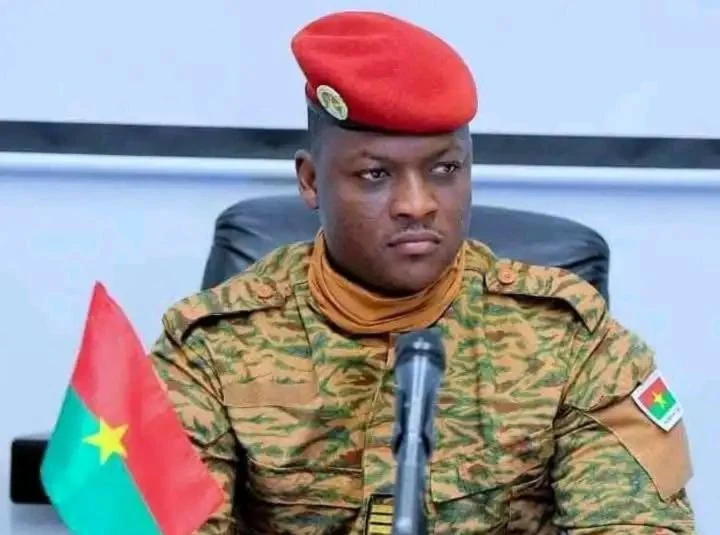
The ban cements the rule of 37-year-old junta leader Captain Ibrahim Traoré, who seized power in a 2022 coup—itself the second coup of that year. Despite an initial pledge to restore civilian rule by July 2024, Traorë reneged two months before the deadline, extending military control for another five years.
This latest move to outlaw parties signals a definitive end to the transition roadmap. It demonstrates a clear pattern: Traoré is not preparing to hand back power but systematically dismantling the mechanisms that could ever challenge it. His rise was fueled by anger over jihadist violence and anti-French sentiment, earning him a populist following, which he is now leveraging to install an unchallenged dictatorship.
Why It Matters
Burkina Faso’s action reflects a dangerous regional trend, a “contagion of coups” across West Africa’s Sahel region. Neighboring Mali and Niger, also ruled by military juntas that expelled French forces and invited Russian Wagner mercenaries, have similarly delayed elections and suppressed political freedom under the guise of fighting insurgency and restoring sovereignty.
By outlawing all parties, the Burkina Faso junta is taking the region’s democratic collapse a definitive step further. It is not merely postponing elections but terminating the very idea of competitive politics, raising the grim question of whether a generation of West Africans may live under permanent military rule.