
Mexico is drawing a clear line as Washington moves to tighten pressure on Cuba by threatening tariffs on countries that supply the island with oil. President Claudia Sheinbaum says Mexico will not rush into confrontation, but it will not stay silent either. Her message is calm on the surface, but firm underneath: this move risks turning an already fragile situation in Cuba into a full humanitarian crisis.
A Warning Mexico Says Cannot Be Ignored
Sheinbaum made it clear that cutting off Cuba’s oil supply is not a technical policy move. In her words, it could directly affect hospitals, electricity, transport, and daily life for ordinary people. Oil keeps the lights on. It keeps medical equipment running. When that supply is threatened, the damage spreads fast.
Mexico’s concern is simple and human. When energy is used as a weapon, civilians suffer first. Sheinbaum warned that the U.S. decision could push Cuba deeper into hardship, and Mexico does not want to be part of that outcome.
Diplomacy Over Punishment
Instead of retaliation, Mexico is choosing diplomacy. Sheinbaum said her government will look for diplomatic solutions and alternatives to support Cuba. That choice says a lot about Mexico’s current posture on the world stage. It wants to be seen as a stabilizer, not an agitator.
Mexico has long argued that isolation and punishment have failed to change Cuba’s political reality. From this view, adding more pressure now feels less like a strategy and more like stubbornness. Mexico is signaling that dialogue, not economic suffocation, is the better path.
An Awkward Silence From Washington
One striking detail is timing. Sheinbaum said Trump did not mention Cuba during their call, only hours before the U.S. announced the tariff threat. That silence matters. It suggests either a breakdown in communication or a deliberate decision to move ahead without warning a close regional partner.
For Mexico, this raises trust issues. When major decisions with regional impact are taken without consultation, allies start to feel like bystanders. That can weaken cooperation on other fronts, from migration to security.
Oil, Power, and Regional Pressure
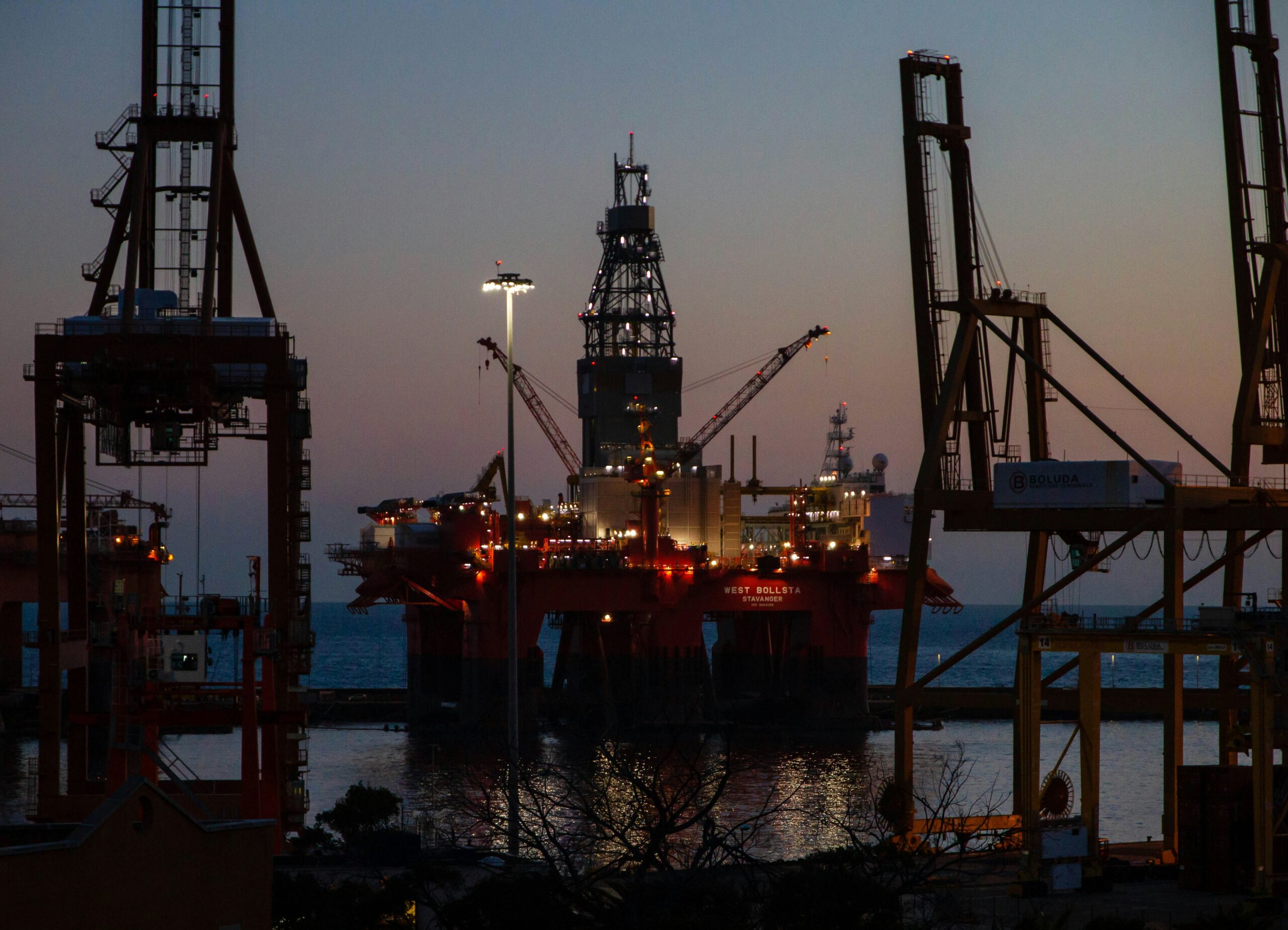
Targeting Cuba’s oil lifeline is about more than Havana. It sends a message to every country in the region: trade with Cuba, and you may pay a price. Mexico’s pushback challenges that logic. By speaking out early, it is testing how far the U.S. is willing to go, and whether others might quietly agree with Mexico’s position.
This also puts Mexican state oil company Pemex in an uncomfortable spotlight. Any threat to energy cooperation becomes a political issue at home as well as abroad.
A Bigger Question Beneath the Headlines
At its core, this moment forces a hard question. Should economic pressure be used when the likely result is human suffering? Mexico’s answer is clearly no. The U.S. appears to believe pressure still works.
It reflects a growing gap in how neighbors see power, responsibility, and consequence. Mexico is choosing caution and care. Washington is choosing pressure. What happens next will show which approach truly shapes the region’s future.