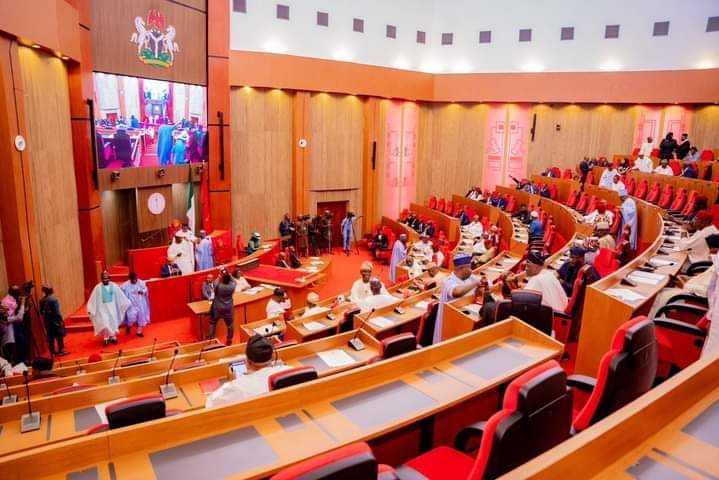

In a dramatic reversal under immense public pressure, Nigeria’s Senate has voted to support a landmark reform mandating the real-time electronic transmission of election results, a pivotal shift aimed at curbing the rampant fraud and manipulation that have plagued the nation’s polls for decades.
The decision on Tuesday marks a stunning about-face after the Senate last week rejected the same proposal, sparking immediate fury from labour unions, civil society, and opposition leaders. The move directly responds to a protest outside parliament and explicit threats of nationwide strikes and election boycotts, forcing lawmakers to align with the House of Representatives, which had already approved the measure.
From “No” to “Yes”: A Surrender to Street Power
The initial rejection last week was framed by some senators as pragmatic, citing Nigeria’s patchy internet coverage and insecurity in certain regions. However, reformers and activists dismissed this as a feeble excuse to preserve an opaque, manual collation system that has long been vulnerable to tampering and “result-swapping” at remote tallying centres.
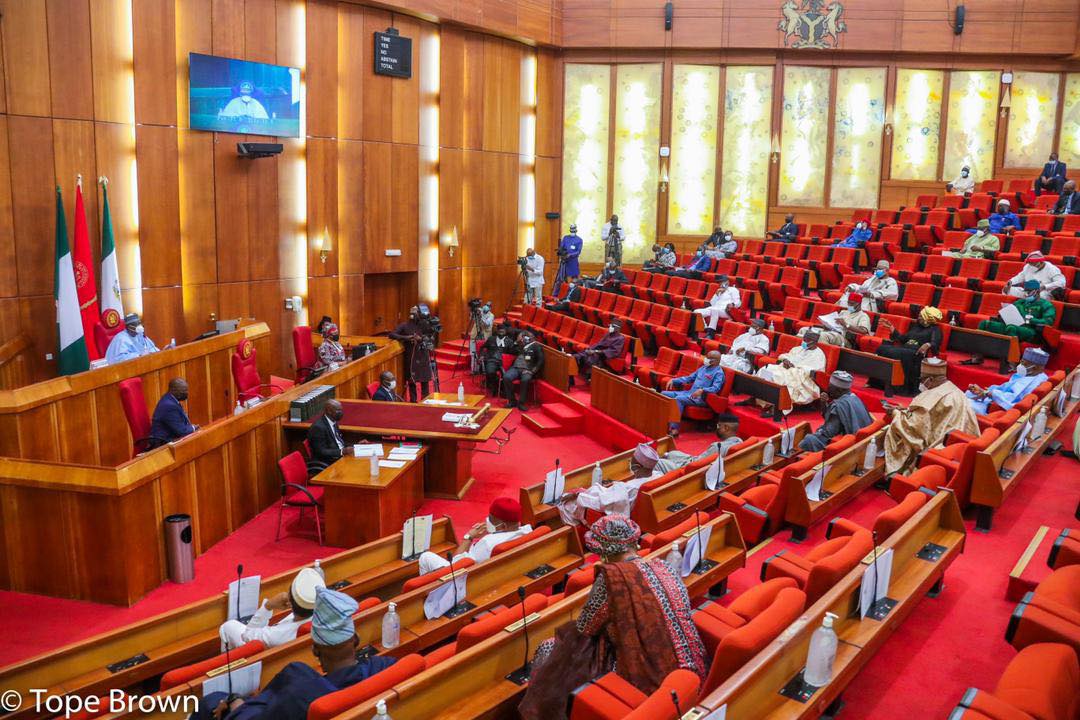
The backlash was swift and severe. Nigerian Bar Association leaders warned the vote “creates room for disputes” and destroys public trust. Most consequentially, Nigeria Labour Congress President Joe Ajaero issued an ultimatum: restore the clause or face “mass action before, during and after the election, or total boycott of the 2027 polls.”
A “Game-Changer” for Transparency or a Paper Promise?
The reform, if finally enacted, would represent the most significant upgrade to Nigerian electoral integrity in a generation. By requiring the immediate electronic upload of results from polling stations, it seeks to create a parallel, auditable digital ledger of votes, dramatically reducing the window for manual alteration during the chaotic collation process.
Despite the adoption of biometric voter cards and limited digital tools, Nigeria’s elections remain notoriously contentious, with courts increasingly determining winners amid allegations of vote-buying and violence. The 2027 election, where President Bola Tinubu will seek a second term, now looms as the first major test for this new system.
What This Means
The Senate’s reversal is a powerful testament to civic muscle, but the battle is not over. Lawmakers have now agreed to form a joint committee to harmonise the amended Electoral Act before sending it to President Tinubu for his assent. The final language and implementation timeline will be critical.
The fundamental question remains: has the political establishment genuinely committed to transparency, or has it merely voted to quell an immediate uprising, with the intent to dilute or delay the reform behind closed doors? For a nation whose democracy has been chronically undermined by distrust in the vote-count, the Senate’s “yes” is not the end, but the beginning of a high-stakes fight to ensure that real-time transmission becomes a reality, not just another broken promise.