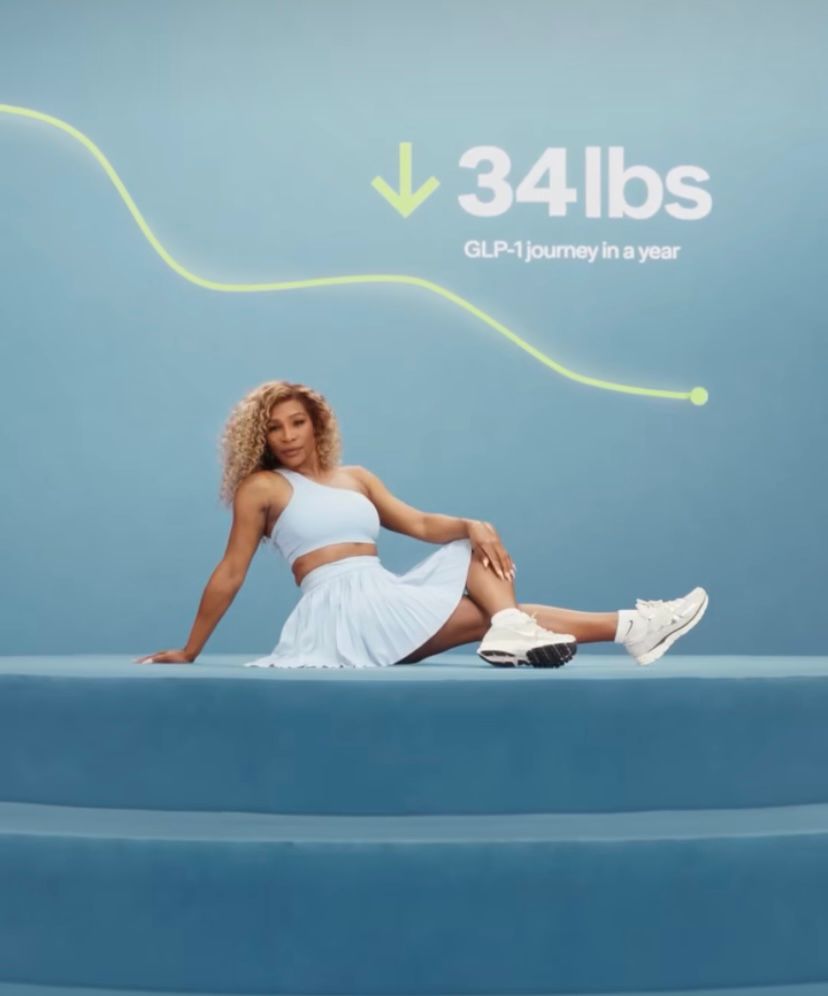

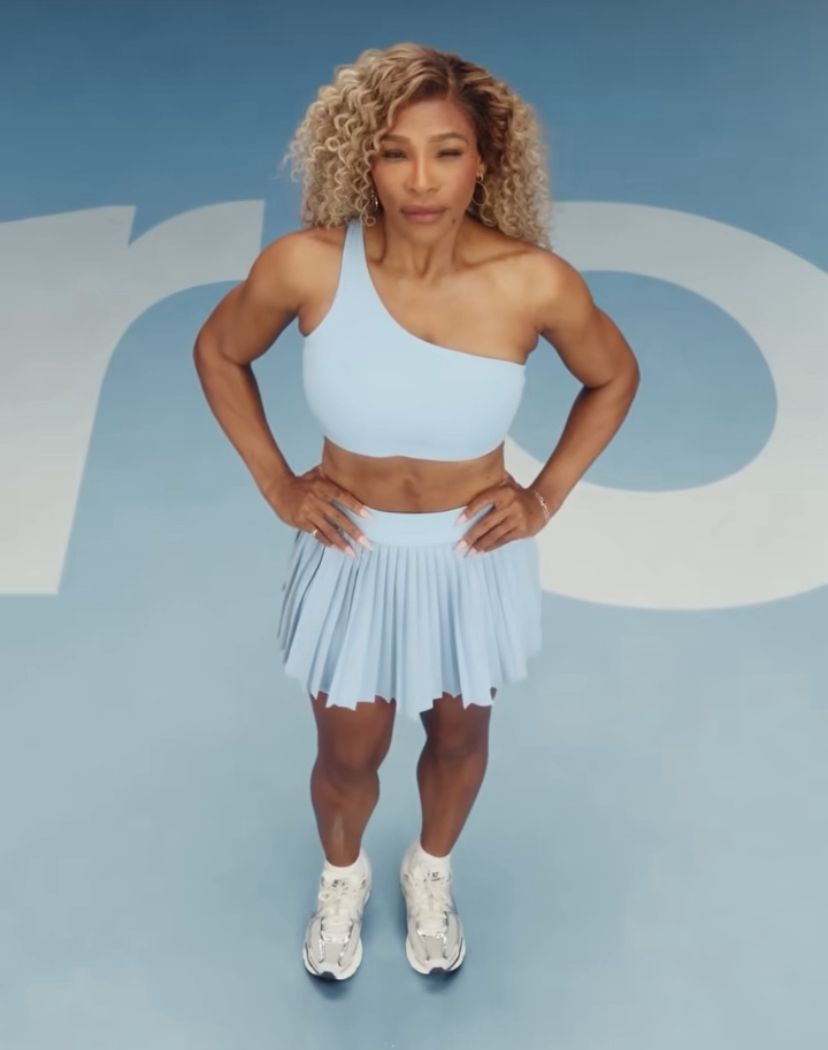
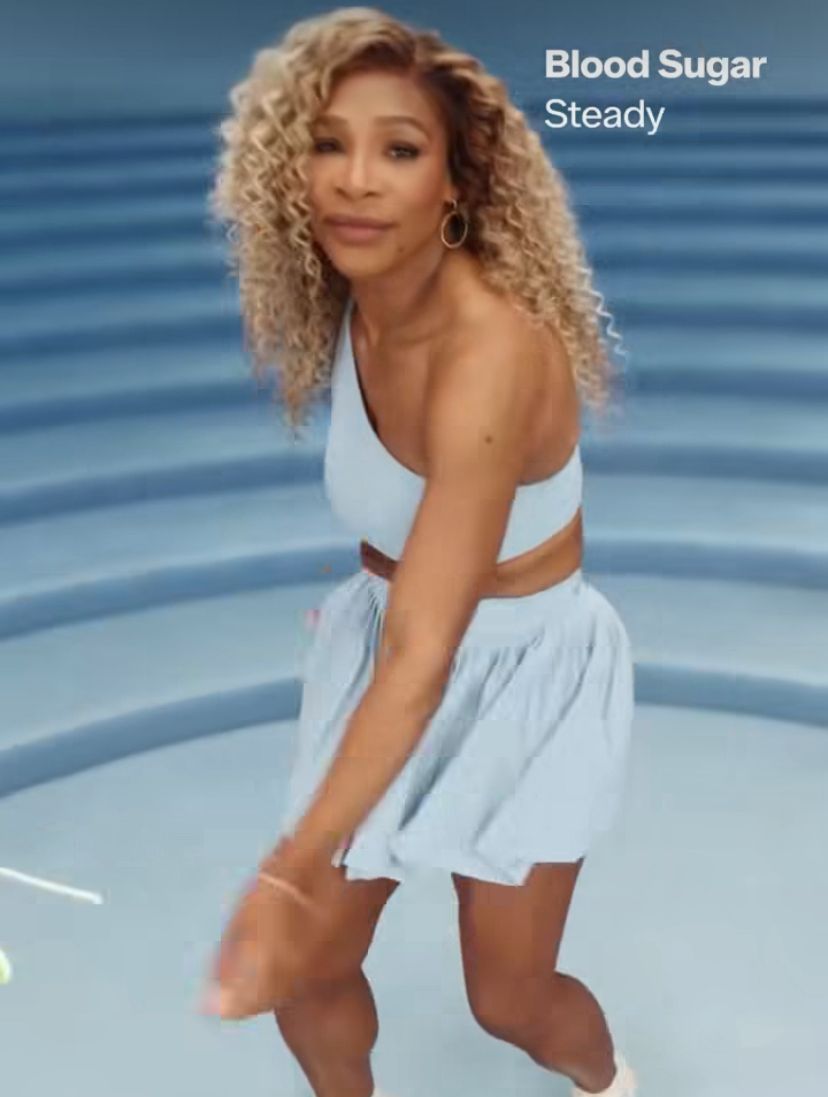
In the 2026 Super Bowl commercial for telehealth giant Ro, Serena Williams threw her fans a curveball that did not at all feel like a health update but instead, more like a cultural betrayal.
Seeing the greatest athlete of all time — the woman whose muscles and tenacity were once the global blueprint for strength — rebranding a GLP-1 weight loss drug as a ‘lifestyle necessity‘ just broke the very body positivity she helped build.
The Serena Williams Shortcut Contradiction
I want you to note that the criticism here isn’t about Serena’s personal health but about the platform. By airing this during the Super Bowl — an event watched by millions of impressionable young fans — the message to the masses is made clear: Even if you are a world-class athlete with every resource on earth, your natural body is still a problem that needs a pharmaceutical solution.
Critics on social media were quick to point out the irony:
“If the greatest tennis player of all time can’t lose weight without a pill, what hope do the rest of us have?” wrote one disappointed fan on X (formerly Twitter).
For a generation already battling Ozempic Face and Snapback culture, this ad feels less like a Big Pharma plot to bypass our defenses and wariness of using such medications.
The Body-Image Fallout
I’m all too familiar with the marketing gimmick where health is often used as a shield for thinness and in the ad, Serena mentions reduced knee stress and blood sugar, but the visual focus is entirely on her slim, 34-pound-lighter frame.
- The Impressionable Audience: When kids see Serena Williams—the symbol of ‘unyielding power’—talking about a weight loss pill, they aren’t thinking about blood sugar. Instead, they’re probably thinking about how medicines such as these are okay to be used by just anyone.
- The Normalization of Medicalization: By framing it as “science,” the ad attempts to remove the stigma of the drug. But in doing so, it normalizes a medical intervention for a cosmetic goal.
A Conflict of Interest?
We also have to address the human elephant in the room. Serena’s husband, Alexis Ohanian, is a prominent investor in Ro. This turns what could have been a vulnerable health journey into a calculated family business move. It transforms a global icon into a “Big Pharma mascot,” and for many fans, that’s a tough pill to swallow, pun intended.
Bottom Line
Serena Williams has every right to manage her health. But when an icon of her stature uses the world’s biggest stage to promote weight loss drugs to children and teens, the ‘science’ here starts to look a lot like marketing. In 2026, we should be moving toward a world where the “performance muse” is celebrated for what her body can do, not how quickly she can shrink it.