

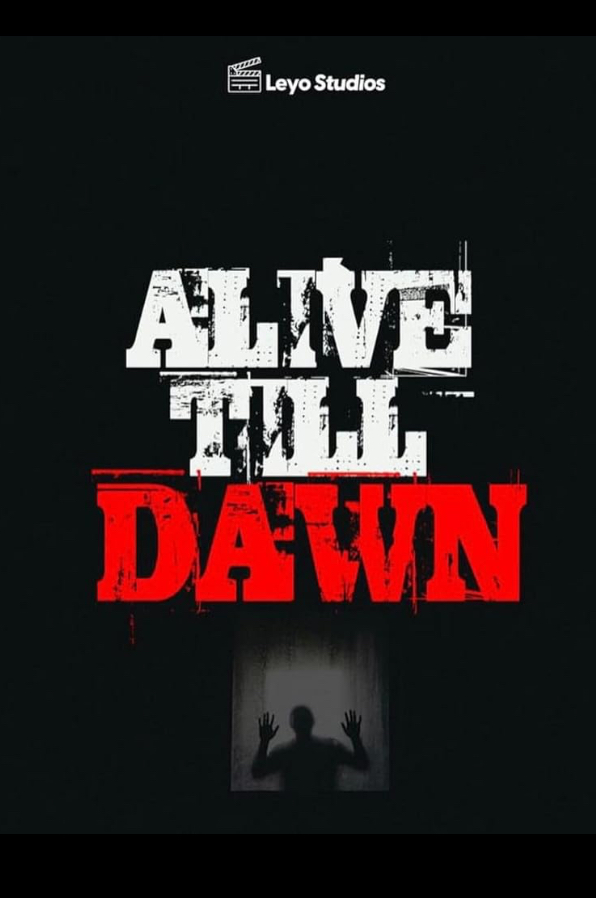
Nollywood’s attempt to tap into the global zombie-film craze arrives in the form of Alive Till Dawn, a horror-thriller directed by Sulaiman Omotola Ogegbe and starring Chisom Agoawuike, Micheal Dappa, Sani Muazu, Shine Rosman, and Uzor Arukwe. Marketed as a survival story set against the chaos of a zombie outbreak, the film aims to blend African storytelling with a genre largely dominated by Hollywood and Asian cinema. While the ambition is commendable, the final product delivers a mixed experience—one that is interesting in concept but uneven in execution.
A Promising Premise with Familiar Elements
Alive Till Dawn is set in a city suddenly thrown into turmoil after a mysterious zombie invasion. As panic spreads and normal life collapses, three unlikely allies—a police officer, an ex-convict, and a young girl—are forced into an uneasy alliance. Trapped inside a building, they must rely on each other to survive until morning, all while battling fear, suspicion, and the relentless undead.
On paper, this setup holds promise. Survival horror thrives on tension, emotional conflict, and high-stakes decision-making. The film attempts to explore these themes, especially through its focus on human relationships under extreme pressure. However, despite the potential embedded in the storyline, the execution struggles to maintain a consistent sense of urgency and terror.
A Narrative Overly Anchored on One Character
One of the film’s major weaknesses lies in its heavy focus on Alex, portrayed by Shine Rosman, who plays the daughter of a police officer. Rather than allowing the story to fully embrace the broader implications of a city-wide zombie catastrophe, much of the narrative revolves around her personal experiences and emotional journey.
This storytelling choice significantly narrows the scope of the film. Instead of expanding the tension and dread associated with a zombie outbreak, the movie frequently drifts into personal drama, sidelining the central horror theme. As a result, viewers may find themselves disengaged, especially when the plot veers away from survival and danger into subplots that do little to heighten suspense. For a zombie movie, the lack of consistent focus on the outbreak itself becomes a noticeable drawback.
A Horror Film That Rarely Feels Horrifying
Compared to international titles such as World War Z or South Korea’s All of Us Are Dead, Alive Till Dawn struggles to deliver genuine scares. The zombies themselves are portrayed with limited intensity, moving sluggishly and lacking the terrifying unpredictability that has become a staple of modern zombie cinema.
The pacing of the horror sequences often feels restrained, reducing the adrenaline and fear that should define such scenes. While classic zombie films from the 1980s and 1990s featured similarly slow-moving undead, contemporary audiences expect more dynamic and menacing portrayals. Unfortunately, the film does not fully meet these expectations, leaving much of the tension underdeveloped.
Missed Opportunity to Embrace Nollywood’s Horror Roots
Nollywood has a rich tradition of horror storytelling, particularly in narratives centered on witchcraft, spiritual warfare, ancestral curses, and ghostly encounters. Films like Koto Aiye once captivated audiences, leaving lasting impressions that lingered long after the credits rolled. These stories, deeply rooted in African spirituality and folklore, possess a unique appeal that distinguishes them from Western horror tropes.
By opting for a zombie-based storyline, Alive Till Dawn moves away from this cultural strength. The decision feels somewhat misplaced, as the zombie genre is already saturated globally. Rather than offering something distinct, the film risks being overshadowed by higher-budget international productions. Ironically, embracing African mysticism and traditional horror elements could have given the movie a stronger identity and broader international appeal.
Visual High Points and Technical Shortcomings
Where the film truly shines is in its environmental storytelling. The depiction of deserted streets, abandoned vehicles, and silent urban landscapes effectively conveys a sense of societal collapse. These visuals successfully establish an atmosphere of chaos and uncertainty, helping viewers grasp the scale of the disaster.
Particularly impressive is a scene involving polluted water, which stands out for its realism and unsettling tone. Additionally, aerial shots featuring helicopters navigating a smoke-filled skyline create moments of visual spectacle. Although it is noticeable that digital effects were used to generate much of the smoke and fire, the ambition behind these sequences deserves acknowledgment.
However, the limitations of budget and resources become evident in some of these scenes. The visual effects, while decent, lack the polish needed to fully immerse the audience. This highlights a broader issue within Nollywood: the challenge of attempting large-scale, effects-heavy genres without the financial backing required to execute them convincingly.
Colour Grading and Atmosphere: A Step in the Right Direction
The film’s colour grading aims to establish a dark and ominous mood, moving away from the bright tones typical of romantic comedies and family dramas. This stylistic choice aligns with the horror genre and demonstrates a conscious effort to create visual tension.
While the execution does not always hit the mark, the attempt itself is commendable. The muted palette, shadow-heavy scenes, and subdued lighting reflect an understanding of how atmosphere contributes to storytelling. With further refinement and technical growth, such stylistic experiments could significantly elevate future Nollywood productions.
Final Verdict: An Admirable Risk with Limited Impact
Alive Till Dawn stands as a courageous attempt by Nollywood to explore uncharted territory within its film landscape. The filmmakers deserve credit for stepping outside conventional genres and challenging industry norms. However, ambition alone cannot substitute for strong storytelling, technical finesse, and a clear creative direction.
The film succeeds in offering glimpses of potential, especially through its visuals and premise, but ultimately falls short of delivering a truly gripping horror experience. Viewers should approach it with measured expectations, understanding that while it is an interesting experiment, it is not designed to leave them sleepless with fear.
Rating: 6/10
Alive Till Dawn earns a respectable score for its boldness and willingness to try something different, even if the execution does not fully live up to the promise. It is a step forward for genre diversity in Nollywood, but there remains considerable room for growth.