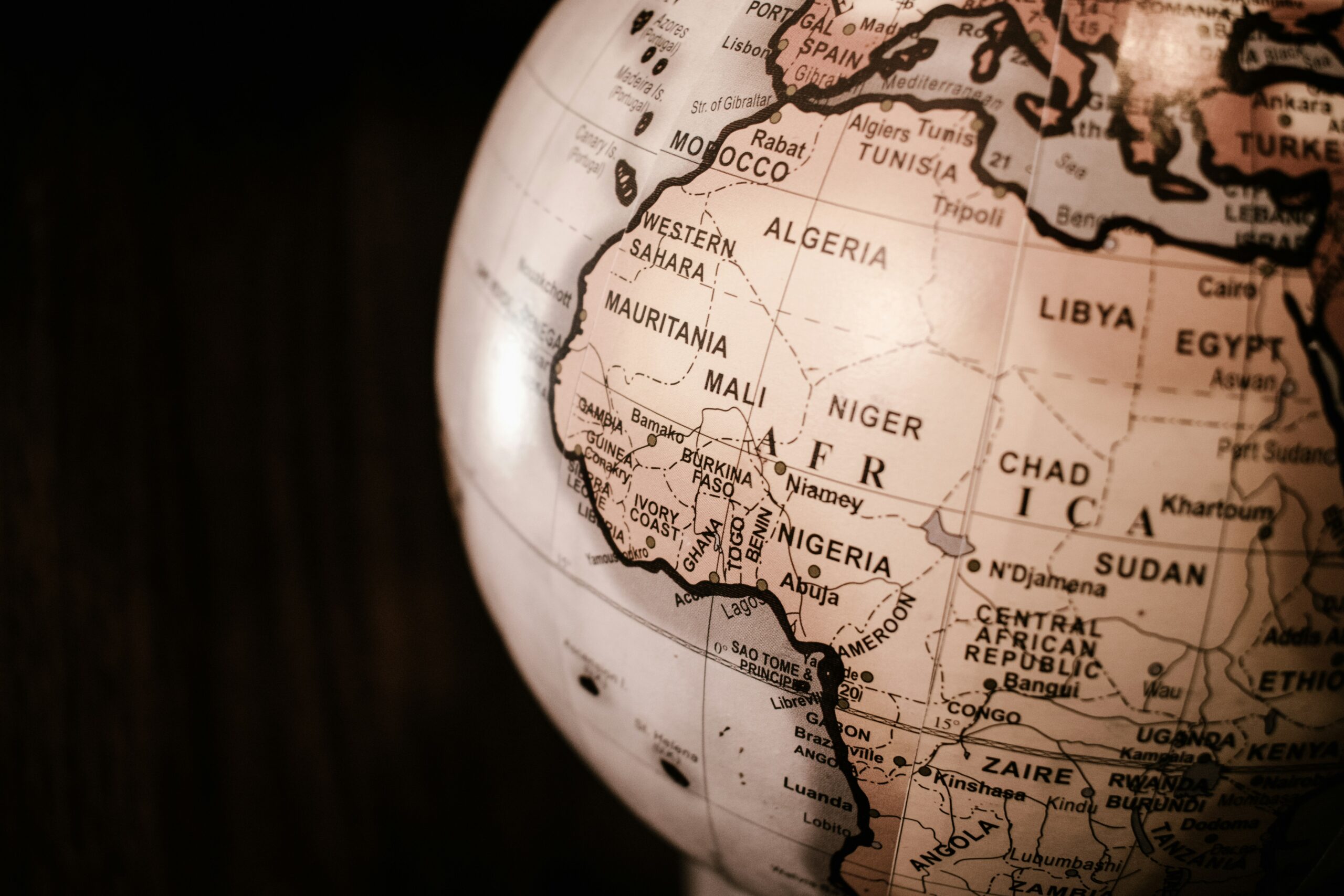

The United Nations has once again raised the alarm about Africa’s long history of exploitation, urging African nations to claim full control and benefits from the continent’s vast mineral wealth. UN Secretary-General António Guterres emphasized that the era of plundering and unequal value chains must end, insisting that Africa should profit first and fully from its own resources.
But for many, the question remains: is the UN serious about enforcing this, or is it just words? Since colonial times, Africa has consistently been exploited, its people subjected to what some describe as “mental slavery,” always looking for another master while outside powers profit from its wealth.
Africa’s Critical Minerals: Wealth or Exploitation?
In a post shared on X, Guterres called for fair and sustainable industrial policies that allow African nations to gain full economic value from their natural resources. “No more plundering. No more exploitation. The people of Africa must benefit from the resources of Africa,” he wrote.
The push comes amid growing global competition for critical minerals such as lithium, cobalt, and rare earth elements, essential for electric vehicles, clean energy, and modern manufacturing. While African countries hold a significant share of these resources, most still export raw materials without local processing, leaving them at the bottom of global value chains.
Breaking the Cycle of Dependence
Guterres’ message echoes concerns long voiced by African leaders: decades of dependence on foreign companies and exploitative trade agreements have limited industrial growth and job creation. By demanding that African nations move up the value chain through local refining, manufacturing, and sustainable development, the UN is signaling that economic justice must accompany global green energy transitions.
Yet Many believe that unless enforceable measures are attached, such statements risk being symbolic. For years, African countries have signed agreements promising industrialisation, but wealth has often left the continent while foreign firms reap the profits.
Beyond Economics.
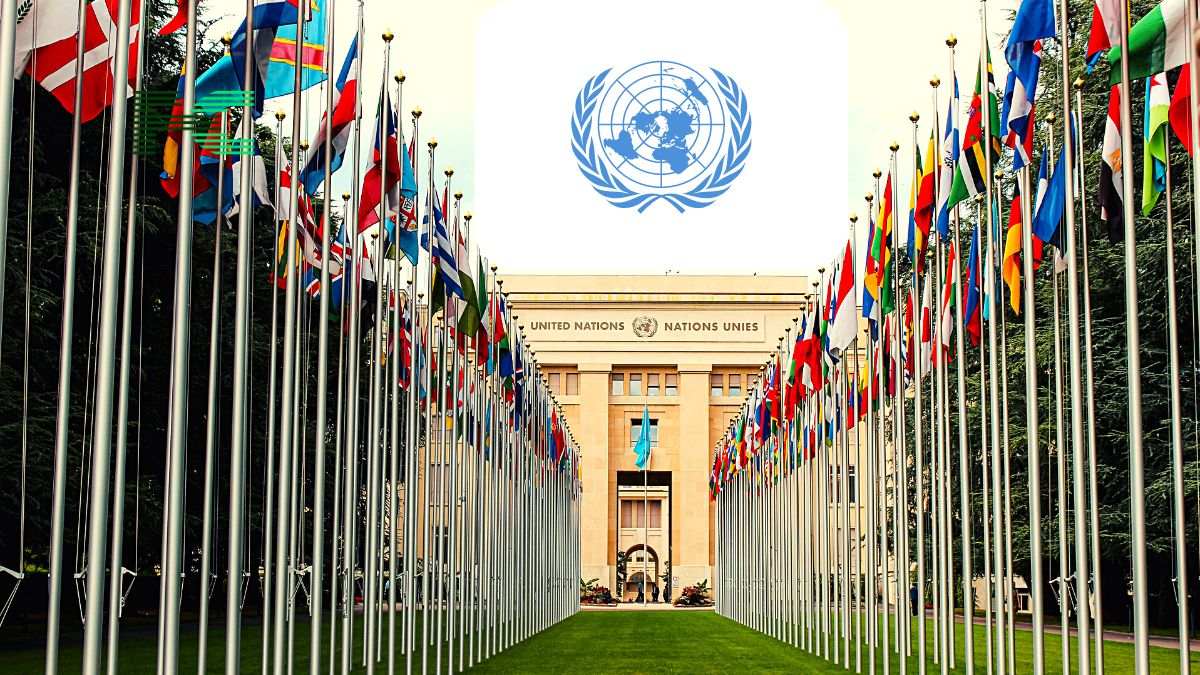
At the United Nations Office in Geneva, Guterres framed the issue not just as an economic concern but as a matter of justice. He emphasized that African countries hosting critical minerals should gain the largest share of benefits, creating jobs and developing industries that serve their own people rather than exporting raw wealth abroad.
This reflects growing global awareness of Africa’s central role in energy and technology supply chains. Calls are increasing for reforms that prioritize local processing, manufacturing, and long-term development over simple extraction.
Time for Africa to Lead
For African policymakers, the UN’s statements are both an encouragement and a challenge. The continent has the resources, expertise, and talent to control its own destiny, but turning these statements into action requires political will, transparent governance, and industrial strategy.
Whether the world listens or Africa takes matters into its own hands will determine if the continent finally breaks free from centuries of plundering. Africa must stop being plundered, and its people must benefit from their own wealth.