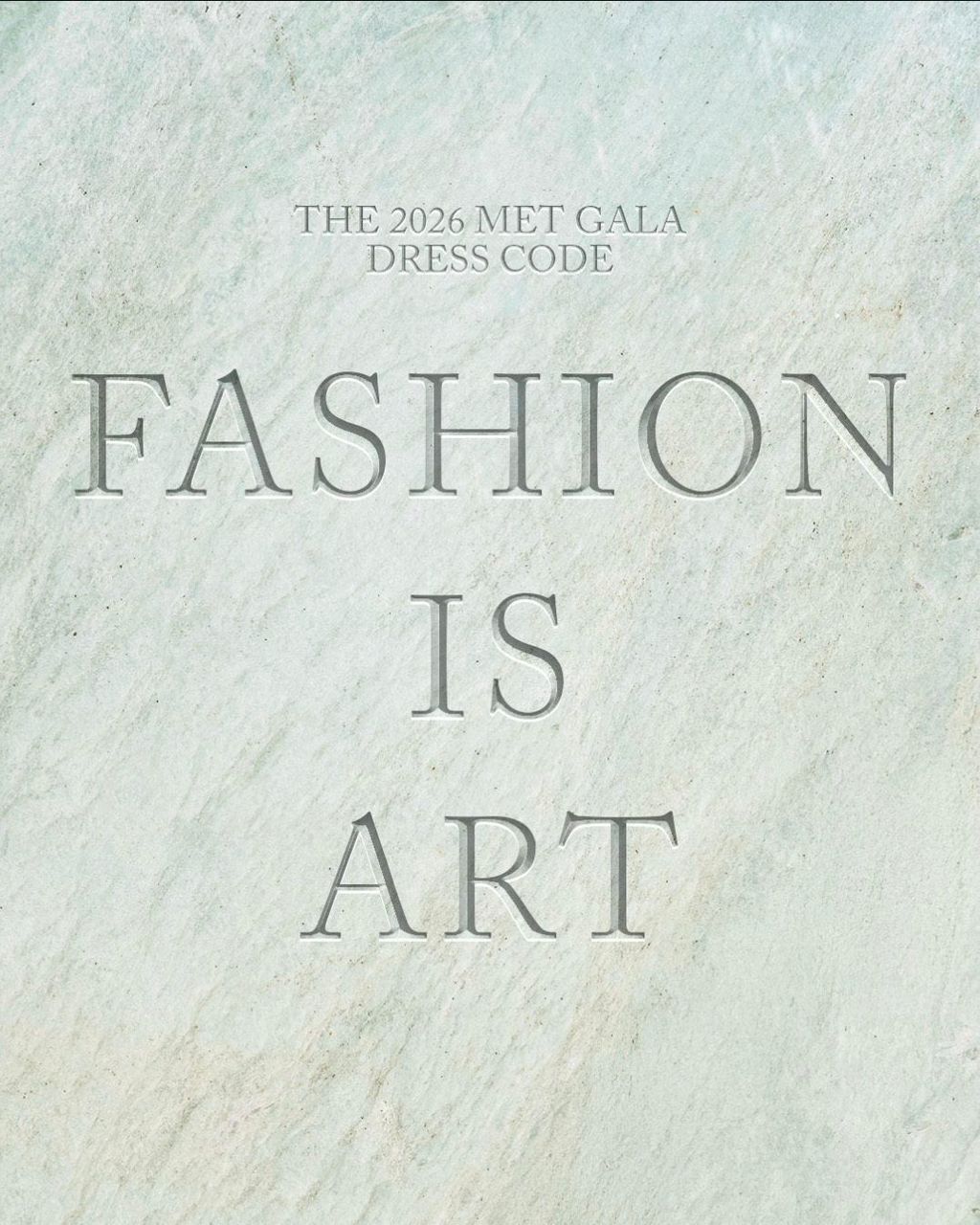

The 2026 Met Gala theme has officially been unveiled: “Fashion Is Art.“
Accompanied by the spring exhibition Costume Art, the theme seeks to bridge the gap between the dressed body and 5,000 years of museum history. With a star studded co-chair lineup including Beyoncé, Nicole Kidman, and Venus Williams, the Curator-in-Charge, Andrew Bolton is making a definitive statement. As he puts it, “Hopefully, it will put an end to the rather obsolete ‘Is Fashion Art?’ debate.“
At long last, the Met is giving us a theme with teeth. But as an avid follower of the Met Gala for almost 10 years, my immediate reaction is a mix of excitement and skepticism. Here’s the Met asking for what Nigeria has been delivering for decades. Will the global guests actually bite, or will they just choke?
The Trap of the Literal Interpretation
The danger of a theme like “Fashion Is Art” is that it can be taken too literally. If a celebrity shows up wearing a literal picture frame or a dress that looks like a Van Gogh painting, they’ve failed.
In previous years, like “Gilded Glamour” or “The Garden of Time“ celebrities leaned too heavily into costume (dressing like a literal character) rather than fashion (interpreting a concept). This year, the theme is about the dressed body. I’m hoping to see designers who manipulate the human form (think sculptural anatomy) and not people who just dress up like a painting.
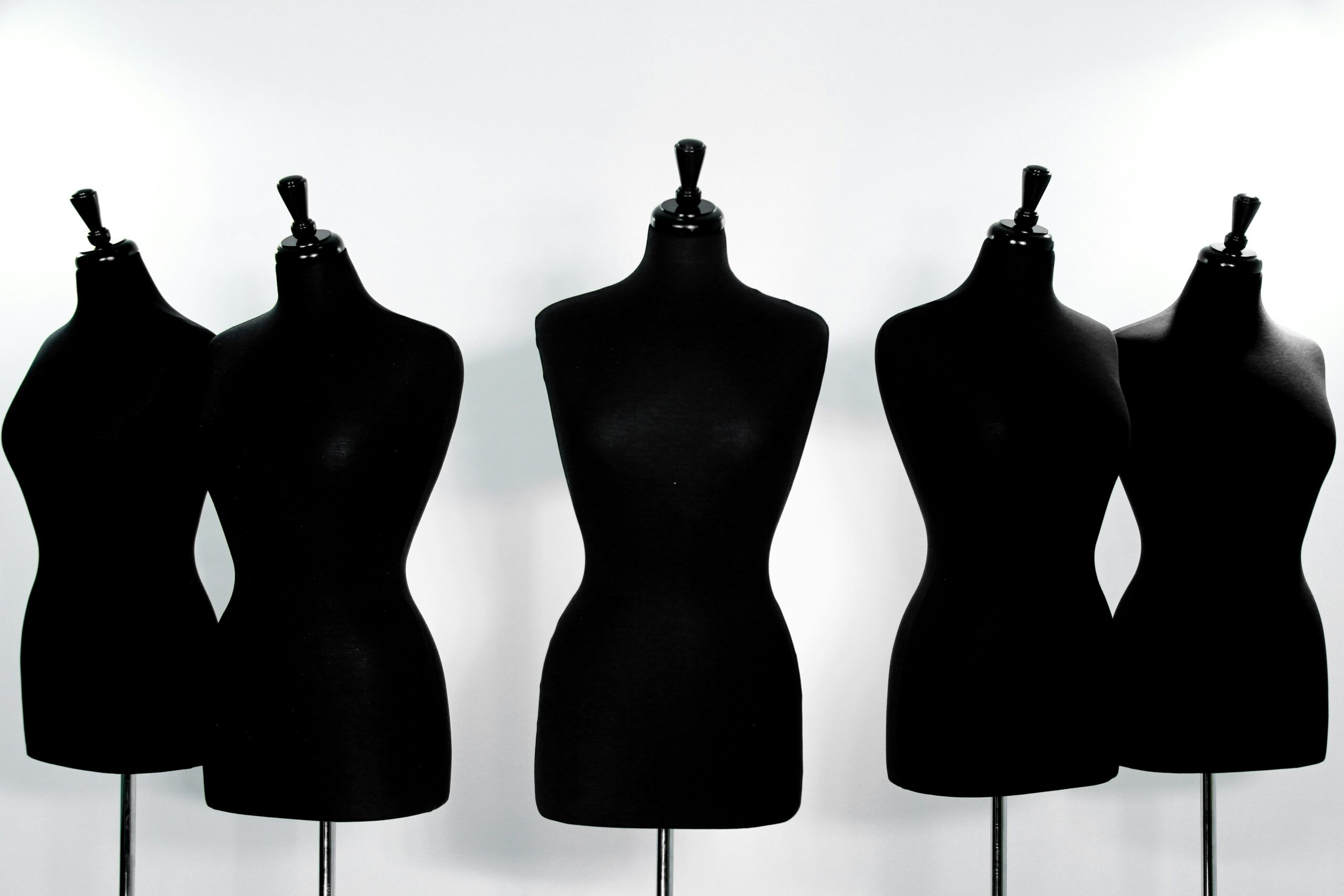
The exhibition is structured around the anatomical body vs. the classical body. It’s about how clothing manipulates, restricts, and reimagines the human form. It’s about art as a costume; theidea that the fabric and the flesh are one inseparable masterpiece. For the Western designer, this often feels like a conceptual struggle. But for the average Nigerian designer? It’s quite frankly, common work.
The Nigerian Advantage: Easy Pickings
This is where the argument gets interesting. Because Nigerian fashion is so deeply rooted in the bespoke and the ceremonial, our designers don’t see a line between a dress and a sculpture. We don’t do “off-the-rack” for our notable events; we do “over the top” fashion.
Sculptural Titans: Veekee James & Tiannah’s Place Empire
If the Met wants to explore the anatomical body, they need to study Veekee James. Her mastery of corsetry is pure genius. She uses boning and mesh to create silhouettes that look like they were carved from marble, not sewn from silk.
Then there is Toyin Lawani (Tiannah’s Place Empire). Often called the “King of Fashion,” she is the definition of the artist-designer. Whether she’s making a gown out of spoons or a sculptural masterpiece from clay, she treats the human body as a pedestal for high-concept installation. For her, the “Fashion Is Art” theme is her playground.
Narrative Architects: Hertunba & Prudent Gabriel
The “art” of fashion is also in the storytelling. Hertunba has shown her brilliance in the use of hand-woven Akwete and structured bodices.
Similarly, Prudent Gabriel’s ability to turn structural rigidity of clothing raw materials into something of a “fluid romance” proves that the Nigerian bespoke culture is the most advanced form of costume art currently in existence.
The Textile Master: Lisa Folawiyo
Lisa Folawiyo doesn’t only design clothes, she paints with beads as well. If you asked me, I’d describe her work as a textile museum in motion.
The conclusion—which ever way you look at it— is the same: Nigeria is the blueprint.
A Call To Action
If the 2026 Met Gala truly wants to settle the “Is Fashion Art?” debate, the curators need to look toward the African continent. For centuries, the dressed body has been our primary medium of expression, status, and spirituality.
While Hollywood stylists will be scrambling —within the next three months— to find “artistic” references in the archives, a Lagos tailor is currently hand-beading a masterpiece that makes the Mona Lisa look plain.