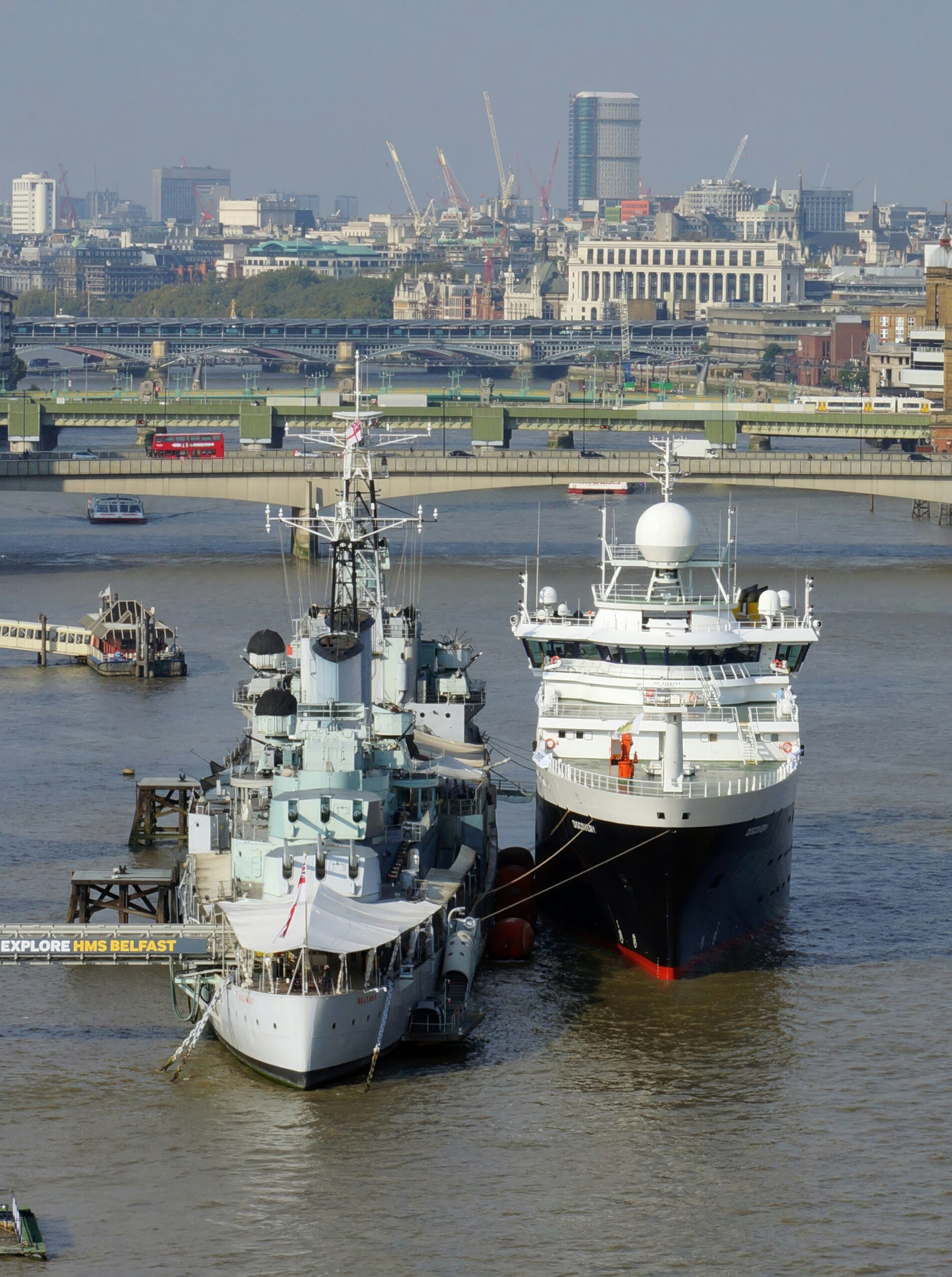

The U.S. has stepped up pressure on Iran with sanctions targeting over 30 ships, entities, and individuals connected to Iran’s oil and weapons programs. The move highlights the growing tension between Washington and Iran, coming amid warnings from President Donald Trump that he may take further action if the two countries cannot resolve their longstanding nuclear dispute.
Treasury Targets Iran’s Shadow Fleet
The U.S. Treasury Department’s Office of Foreign Assets Control identified a network of “shadow fleet” vessels responsible for moving Iranian petroleum and petrochemical products in defiance of international sanctions. Many of these ships are old, lack transparent ownership, and operate without the insurance cover typically required by major ports and oil companies. Officials say these vessels have collectively carried hundreds of millions of dollars’ worth of Iranian oil, funding ballistic missile programs and other weapons development.
Sanctions on Individuals and Networks
In addition to ships, the sanctions extend to individuals and organizations supporting the Islamic Revolutionary Guard Corps and Iran’s Ministry of Defense. These networks have reportedly helped Tehran secure machinery and precursor materials needed for ballistic missiles and other weapons. U.S. authorities emphasized that the measures are meant to choke off the financing and supply lines behind Iran’s weapons programs while targeting those who profit from illicit oil sales.
Trump’s Broader Strategy
President Trump has paired economic sanctions with a military presence in the Middle East, signaling readiness to act if diplomacy fails. Speaking in his State of the Union address, he reiterated that Iran’s nuclear ambitions cannot be ignored, but also claimed that the U.S. prefers a peaceful resolution. For now, the sanctions represent a direct, tangible effort to weaken Iran’s economic base while keeping pressure on Tehran to negotiate.
Iran’s Response and Global Implications
Iran has yet to formally respond to the latest sanctions. A senior Iranian official told Reuters that disagreements with Washington persist over which sanctions should be lifted and the timing of any relief. Analysts warn that these measures could further strain already fragile global oil markets, as sanctions on shadow fleets and oil networks disrupt the supply of Iranian crude.
What This Means Going Forward
The new sanctions are part of a broader strategy to curb Iran’s weapons programs and limit its influence across the Middle East. While the U.S. has emphasized targeted financial and logistical measures, the presence of military forces and repeated warnings from Trump suggest the stakes remain high. Observers are watching closely to see whether Iran will seek negotiations, retaliate economically, or escalate military tensions.