Diplomatic tensions surrounding Washington and Tehran have taken a new turn, with talks in Geneva raising a difficult question: are US negotiators set to accept Iranian nukes for “fake” peace, or is this simply another phase in a long and complicated negotiation? That concern has quietly gained attention as both sides signal flexibility while remaining sharply divided on key issues.
Talks Resume Under Pressure
Officials from the United States and Iran met in Geneva for indirect negotiations mediated by Oman, describing the discussions as “intense and serious.” According to a senior Iranian official, progress may depend on whether Washington separates nuclear matters from broader geopolitical disputes.
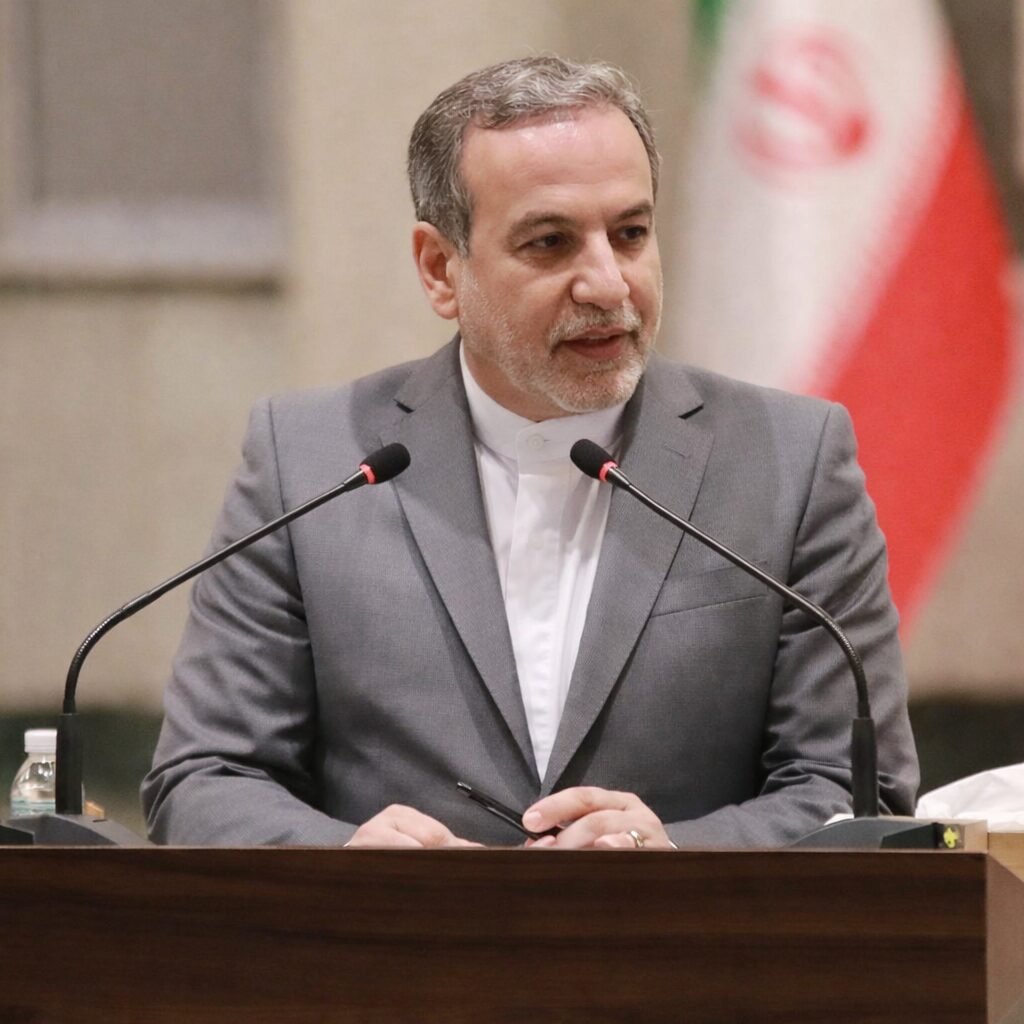
The three-hour session involving Iranian Foreign Minister Abbas Araqchi and US envoys Steve Witkoff and Jared Kushner ended with both parties agreeing to continue consultations. While no formal agreement emerged, the tone suggested that negotiations remain active rather than stalled.
The Core Disagreement
At the centre of the talks lies a familiar divide. Washington maintains that Tehran must give up uranium enrichment, arguing that the process could enable the development of a nuclear weapon. Iran, however, continues to insist its nuclear programme is strictly for civilian energy purposes.
Iranian officials have indicated a willingness to show flexibility, with reports suggesting Tehran has floated new concessions in exchange for sanctions relief and recognition of its enrichment rights. Yet substantial gaps remain, particularly over how far those concessions might go.
Nuclear vs Non-Nuclear Issues
One of the more sensitive aspects of the negotiations involves the scope of the discussions. Tehran has made clear that it prefers talks limited to nuclear issues and sanctions removal. The United States, on the other hand, seeks to broaden the agenda to include Iran’s ballistic missile programme and its regional alliances.
US Secretary of State Marco Rubio openly described Iran’s reluctance to discuss missiles as a “big problem,” noting that progress on nuclear concerns may be difficult without addressing related security questions.
Trump’s Position and Military Signals
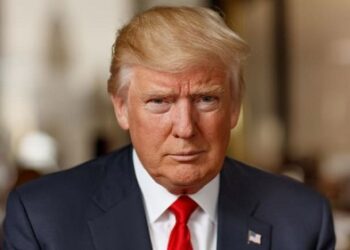
President Donald Trump has continued to pair diplomatic engagement with firm warnings. He recently stated that Iran must reach a deal within a defined timeframe, cautioning that failure to do so could lead to “really bad things.”
At the same time, the US military presence in the region has expanded. Fighter jets and carrier strike groups have been deployed, reinforcing Washington’s strategy of applying pressure while negotiations continue.
Iran has responded with its own warnings, signalling that any renewed military action would provoke a strong reaction. These parallel messages have contributed to rising unease across the Middle East.
Regional Anxiety Grows
Concerns about potential escalation have begun affecting diplomatic and civilian movements. Several countries have advised citizens to reconsider travel plans, while others have taken precautionary measures involving diplomatic personnel.
Despite the tension, officials on both sides continue to emphasise that negotiations remain the preferred path forward.
What the Debate Really Reflects
Current discussions still revolve around enrichment limits, sanctions, and verification mechanisms, not an outright acceptance of nuclear weapons.
Still, the persistence of that question reflects broader uncertainty. Each round of talks raises speculation about what compromises may ultimately define any agreement.
The Road Ahead
For now, diplomacy remains active but fragile. Iran signals flexibility while defending its nuclear stance. Washington demands stricter limits while pushing for broader security discussions. Neither side appears ready to fully concede.