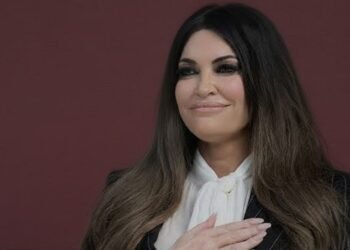
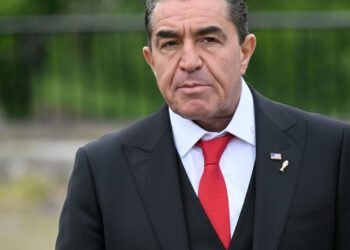
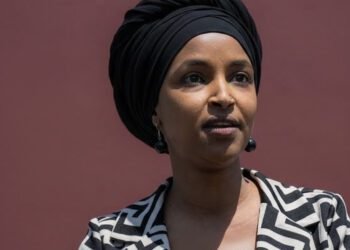
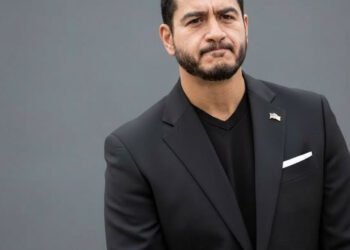
The Justice Department has charged 30 additional people in connection with last month’s anti-ICE protest at a Minnesota church, bringing the total to 39 defendants in what prosecutors describe as a “coordinated takeover-style attack” on religious freedom.
Attorney General Pam Bondi announced the charges Friday in a blistering social media post that doubled as a warning to anyone considering similar actions.
“YOU CANNOT ATTACK A HOUSE OF WORSHIP. If you do so, you cannot hide from us — we will find you, arrest you, and prosecute you,” Bondi wrote. “This Department of Justice STANDS for Christians and all Americans of faith”.
Twenty-five of the newly charged defendants have already been arrested, she said, with “more to come.”
The Protest
The January 18 incident at Cities Church in St. Paul unfolded during a Sunday service when protesters stormed the sanctuary, chanting “ICE out” and “Justice for Renee Good.”
Good, a mother of three, was fatally shot by an Immigration and Customs Enforcement officer in Minneapolis last month during protests against the Trump administration’s immigration enforcement operations. Her death, along with the subsequent killing of intensive care nurse Alex Pretti by federal agents, has fueled ongoing demonstrations across Minnesota.
Video footage from inside the church showed chaotic scenes as protesters and congregation members shouted at each other. Among those initially arrested was former CNN anchor Don Lemon, who was live-streaming the incident.
Lemon has defended his presence, saying he was acting as an independent journalist covering a protest. “I have spent my entire career covering the news. I will not stop now,” he said after his arrest.
But the indictment alleges a more coordinated effort.
The Charges
The newly unsealed indictment describes the protest as a “coordinated takeover-style attack” in which defendants “engaged in acts of oppression, intimidation, threats, interference, and physical obstruction”.
All 39 defendants face two federal charges: conspiracy against religious freedom at a place of worship, and injuring, intimidating, and interfering with the exercise of religious freedom at a place of worship. The charges fall under the Freedom of Access to Clinic Entrances (FACE) Act, a 1994 law originally designed to protect abortion clinics but which also applies to houses of worship.
Lemon and the nine others initially arrested have pleaded not guilty.
The Church’s Response
Doug Wardlow, the lawyer representing Cities Church, celebrated the additional arrests in a statement that framed the protest as an assault on fundamental rights.
“This sends a clear message: houses of worship are off limits for those who would use chaos and intimidation to advance a political agenda,” Wardlow said.
He described the protest as an event that “placed congregants, including children, in fear for their lives.”
Cities Church belongs to the Southern Baptist Convention, one of the largest Christian denominations in the United States.
The Broader Context
The church protest was part of a wave of demonstrations triggered by the deaths of Good and Pretti at the hands of federal agents.
Good, 37, was shot on January 18 during a protest against ICE operations in Minneapolis. Three weeks later, on February 10, agents fatally shot Pretti, an intensive care nurse, during a separate incident. Both killings drew national attention and renewed scrutiny of the Trump administration’s aggressive immigration enforcement tactics.
The ICE operation that led to the shootings has since ended, but the protests it sparked continue to ripple through Minnesota and beyond.
What’s Next
The 30 newly charged defendants will now face federal prosecution alongside the original nine. Bondi’s promise that “more to come” suggests additional arrests may follow as investigators continue reviewing footage and witness accounts from the January 18 protest.
For the Justice Department, the case is a statement: interference with religious worship will be met with the full weight of federal law. For protesters, it’s a warning that their tactics carry consequences far beyond the streets.
And for Cities Church, which never asked to become a flashpoint in the nation’s immigration debate, the legal process offers the possibility of closure — but not before reliving, in court, the day strangers stormed its sanctuary and sent congregants, including children, running for safety.