The U.S. Treasury Department is facing a catastrophic fiscal gap following the Supreme Court’s late February ruling in Learning Resources, Inc. v. Trump. By declaring the majority of the administration’s 2025 “Liberation Day” tariffs illegal, the court has vaporized approximately $300 billion in annual revenue that the White House had already earmarked for its sweeping economic agenda.
Treasury Secretary Scott Bessent warned on Friday that the government may now need to borrow an additional $1.6 trillion just to cover the shortfall. When combined with an estimated $400 billion in extra debt interest over the next decade, the ruling effectively adds a $2 trillion burden to the national deficit.
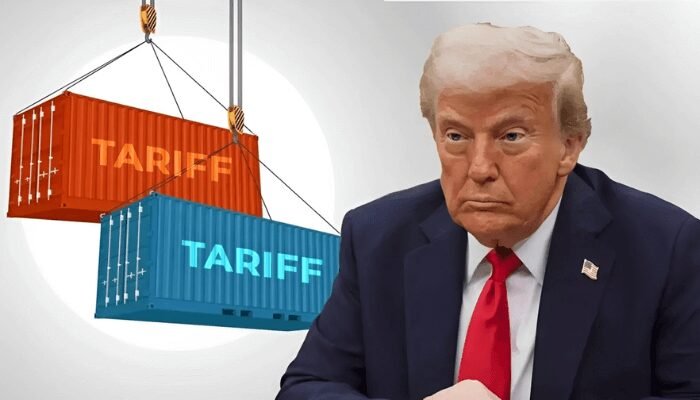
The “One Big Beautiful Bill” Crisis
The timing of the ruling is particularly damaging because the administration had already begun implementing the One Big Beautiful Bill (OBBBA) Act. This legislation relied on tariff revenues to fund:
• Tariff Rebate Checks: Direct payments intended to offset the cost of living for American families.
Corporate Tax
• Write-Offs: Massive 100% bonus depreciation and expensing provisions for U.S. manufacturers.
Working-Class Tax
• Relief: Permanent individual tax cuts that were expected to be “self-funding” through trade duties.
With the IEEPA-based tariffs struck down, the Treasury is now forced to fund these “Big Beautiful” promises through massive bond auctions, a move that analysts say could push the 10-year Treasury yield past 5.0% by the end of the month.
A Fractured Court and a Fiscal “Wrench”
The 6–3 decision, led by Chief Justice John Roberts and joined by Trump appointees Neil Gorsuch and Amy Coney Barrett, concluded that the President lacked the “clear congressional authorization” to impose taxes under the guise of an emergency. While the ruling was hailed as a victory for the separation of powers, it has thrown the 2026 federal budget into total disarray.
”The justices threw a wrench into the works,” a senior Treasury official told Fortune. “We were relying on those revenues to keep the ‘One Big Beautiful Bill’ from becoming the ‘One Big Beautiful Debt.’ Now, the interest alone on the borrowing required to fill this hole is enough to fund several government departments.”
The New 15% Global Pivot
In an attempt to salvage the budget, Secretary Bessent has signaled that the administration may introduce a new 15% global baseline tariff using alternative legal authorities, such as Section 301 or Section 232, which were not affected by the Supreme Court’s ruling. However, legal experts warn that these mechanisms require more rigorous administrative processes and could face years of new litigation.
In the meantime, the U.S. is entering its most precarious fiscal period in recent history. With oil prices soaring to $115 a barrel due to the ongoing conflict with Iran and the domestic tariff revenue drying up, the “Great AI Reallocation” era may be starting with a historic debt crisis that threatens the very tax cuts intended to fuel the American recovery.